
ᐅ Underfloor Heating Spacing, Missing Sections, and Bathtub Installation
Created on: 23 Jun 2019 14:39
M
M4rvin
Hi,
I wasn’t exactly sure which subforum to post in...
Our site manager asked us whether we want to place the bathtub directly on the screed or on the concrete slab. We hadn’t really thought about it until now, but we decided to go with the concrete floor.
Anyway, I was on site earlier and cut away the styrofoam, as the screed work is starting on Monday.
A few things caught my attention:
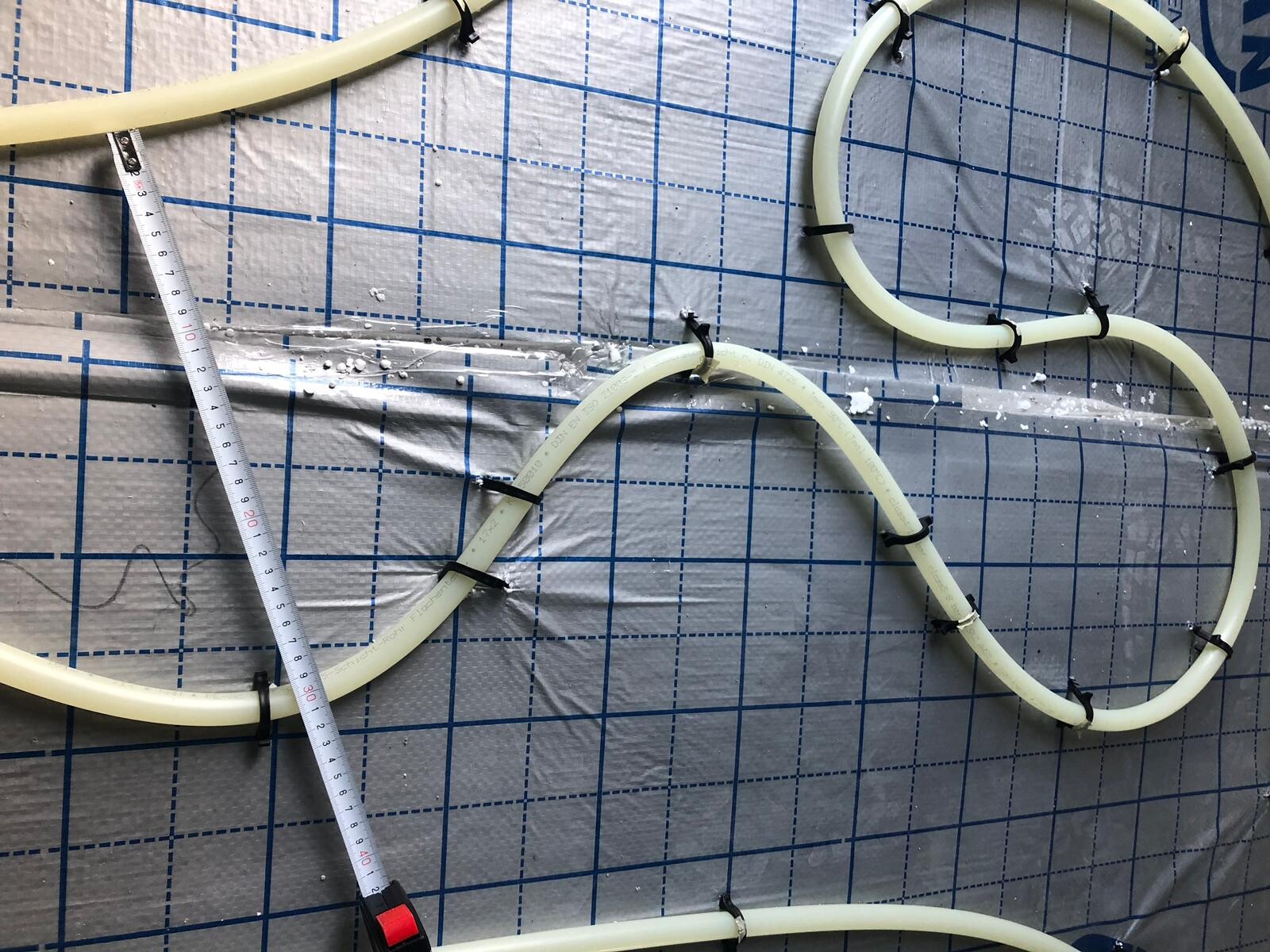
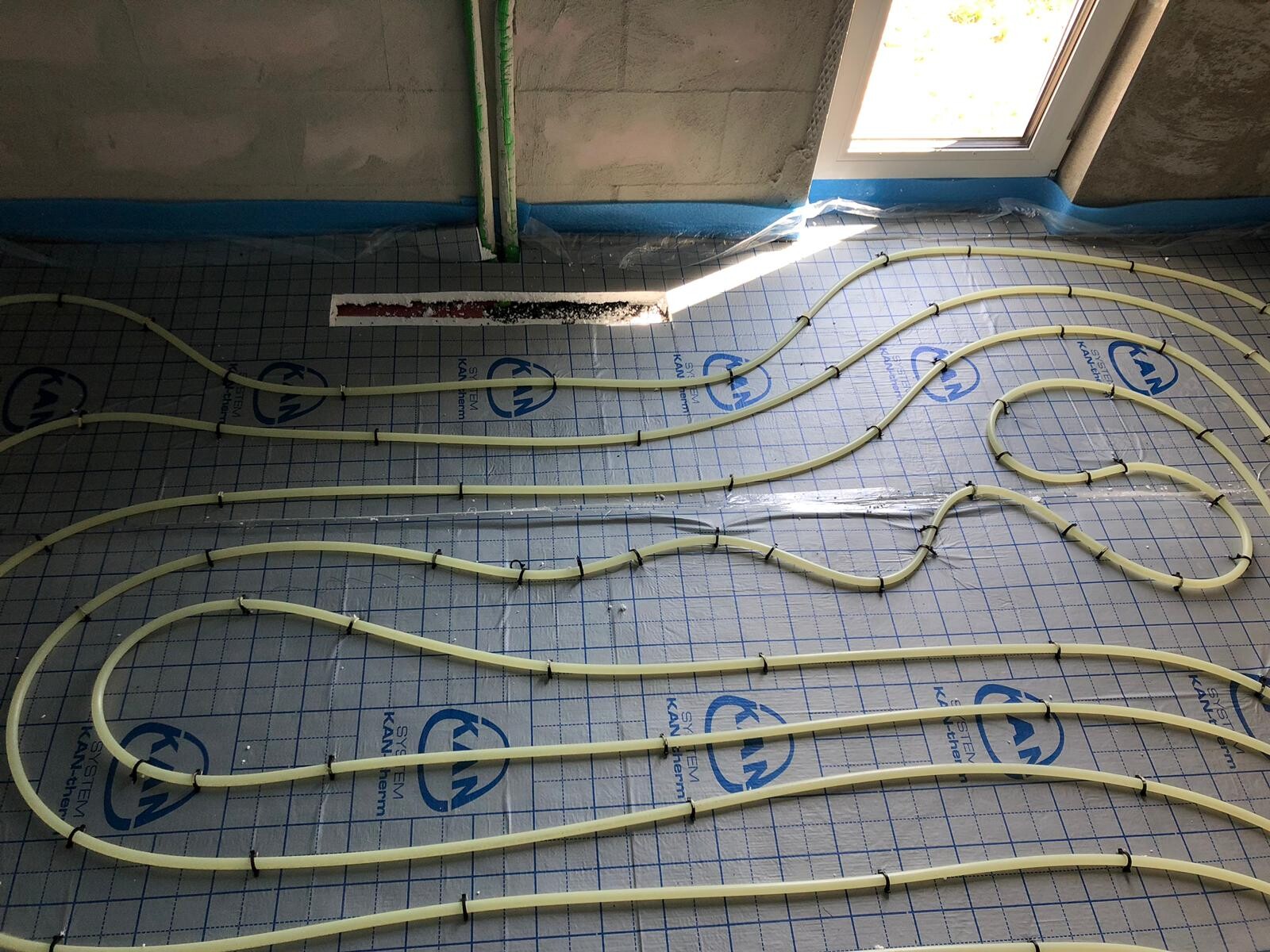
1) What should be the maximum spacing between the underfloor heating pipes? Some sections seem quite far apart, around 30cm (12 inches) to me.
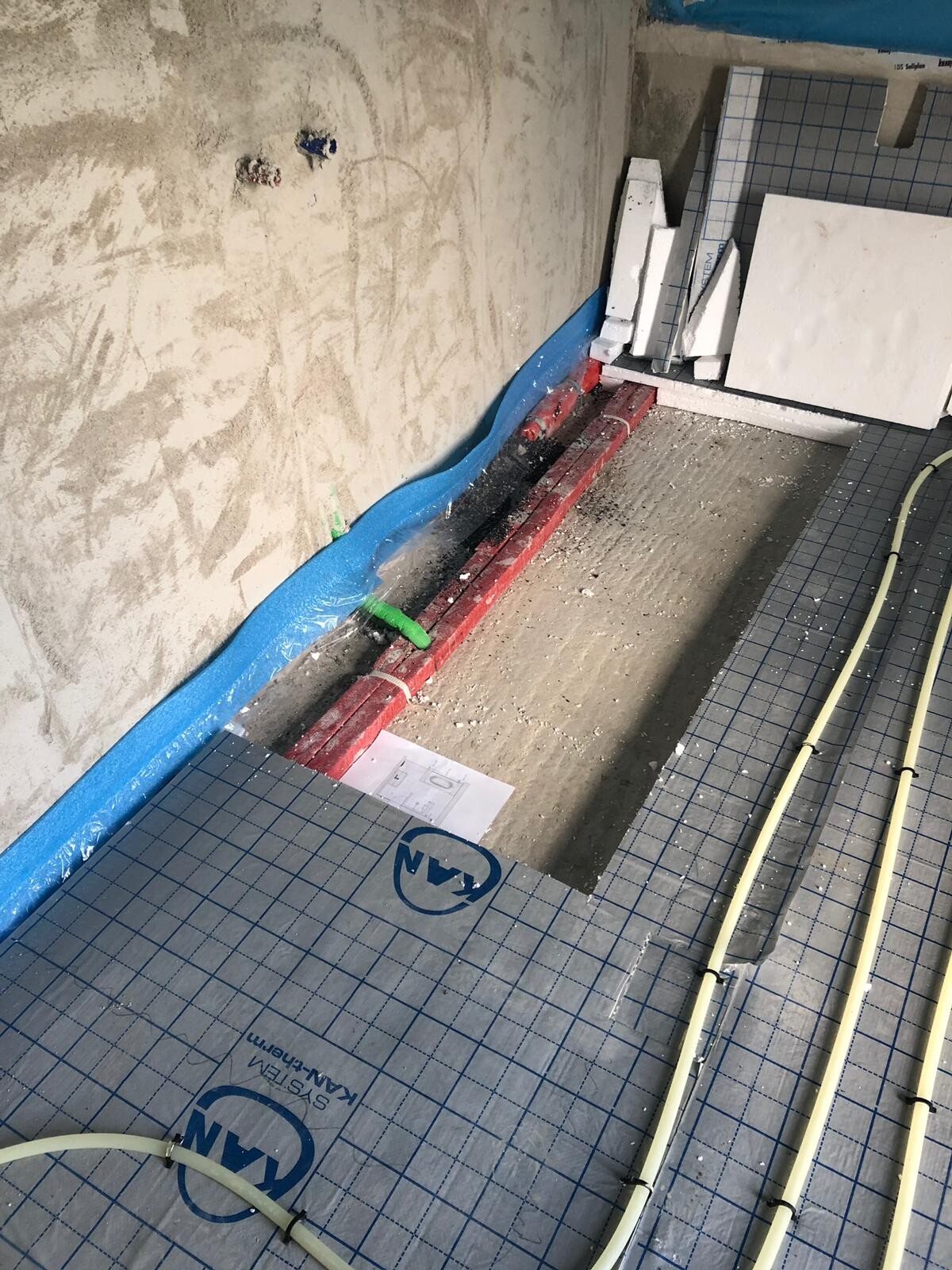
2) Is it common to leave some areas without pipes? (Like the spot in front of the bathtub, see picture)
3) Now that I removed the styrofoam around the bathtub, there are still some pipes underneath. Don’t they cause any issues? And why is such unstable styrofoam even placed between the floor and the screed?
Thanks in advance
Marvin
I wasn’t exactly sure which subforum to post in...
Our site manager asked us whether we want to place the bathtub directly on the screed or on the concrete slab. We hadn’t really thought about it until now, but we decided to go with the concrete floor.
Anyway, I was on site earlier and cut away the styrofoam, as the screed work is starting on Monday.
A few things caught my attention:
1) What should be the maximum spacing between the underfloor heating pipes? Some sections seem quite far apart, around 30cm (12 inches) to me.
2) Is it common to leave some areas without pipes? (Like the spot in front of the bathtub, see picture)
3) Now that I removed the styrofoam around the bathtub, there are still some pipes underneath. Don’t they cause any issues? And why is such unstable styrofoam even placed between the floor and the screed?
Thanks in advance
Marvin

We chose narrower gaps around the edges of the rooms and in the bathroom. In winter, the supply temperature is a maximum of 28°C (82°F) with room temperatures between 22-25°C (72-77°F).
Yes, when the bathtub stands directly on the concrete, it’s easier to step into. We have the same setup. Generally, there is no underfloor heating installed beneath the bathtub.
Yes, when the bathtub stands directly on the concrete, it’s easier to step into. We have the same setup. Generally, there is no underfloor heating installed beneath the bathtub.
The bathroom could be narrower, it should be under 10cm (4 inches), maximum 10cm (4 inches). If you want significantly higher temperatures in the bathroom, for example 24°C (75°F), 10cm (4 inches) is usually not narrow enough.
Otherwise, you can tell there is some intentional planning behind it. Hallways are less narrow (with some bare spots, but that’s usually not a problem in hallways), and kitchen units are left out. It’s acceptable.
Regarding the bathtub on the raw concrete, send the picture after the insulation has been cut out to the plumber to check if the bathtub’s support feet fit next to the rough installation.
However, I am personally a fan of bathtubs installed on screed. Both methods have their pros and cons. The “modern” approach is a bathtub directly on the raw floor.
Otherwise, you can tell there is some intentional planning behind it. Hallways are less narrow (with some bare spots, but that’s usually not a problem in hallways), and kitchen units are left out. It’s acceptable.
Regarding the bathtub on the raw concrete, send the picture after the insulation has been cut out to the plumber to check if the bathtub’s support feet fit next to the rough installation.
However, I am personally a fan of bathtubs installed on screed. Both methods have their pros and cons. The “modern” approach is a bathtub directly on the raw floor.

Bookstar schrieb:
Overall, it is installed very neatly. The door transitions are also protected, and the flooring was laid into the door reveals. I agree. Only the turns on the upper floor look quite elaborate; a little edge trim could have been added there.
B
boxandroof24 Jun 2019 12:27M4rvin schrieb:
He also said that the screed should be omitted in the shower. Yes, it is also very good that the shower was covered.
If I were you, and if it’s not already installed, I would add an electrical connection now for an infrared heater/mirror or an electric towel warmer—for occasional additional heating when needed. Once the tiles are in place, it becomes difficult to do this.
If the heat pump is operated efficiently, you will probably only get the bathroom as warm as the other living areas without additional heating surfaces on the ceiling or walls; for some, that may be too cold.
Similar topics