
ᐅ Single-family home with a basement apartment on a hillside, designed for flexible use
Created on: 26 Mar 2019 15:02
K
kinderpingui
Hello everyone,
I have been mostly a silent reader here for several years and have gained many ideas and suggestions. I have followed many projects here since we started planning our own house build and have benefited greatly, incorporating many considerations into our planning. After purchasing a plot about 2 years ago, our own house construction is now getting closer, with the goal to start next year.
So far, we have worked with 2 different general contractors (GCs), who provided similar concepts but different designs due to the placement of the stairs. We have made some independent changes to the design we preferred.
Due to professional priorities, the project did not have top priority since the beginning of this year. This will change from April, and we will consult several more GCs. Since we have an upcoming appointment with a GC soon, I would like to hear your critical and honest opinions about our concept and design beforehand.
Thank you in advance for your help.
Zoning Plan / Restrictions
Plot size: 600 m² (22 m wide x 27 m deep) (72 ft x 89 ft)
Slope: yes, steep slope (approx. 8 m on the north side and 7 m on the south side; see attached leveling plan)
Site coverage ratio: 0.4
Floor area ratio: 1
Building envelope, building line and boundary: see zoning plan excerpt
Edge development: no, 3 m setback; garage allowed; 5 m setback required from the street side
Number of parking spaces: 2 per housing unit, one of which must be covered
Number of floors: max. 2 full stories + half / stepped floor
Roof type: no restriction
Architectural style: no restriction, except no log houses
Orientation: west
Maximum heights / limits: eaves height max., parapet top max. 4 m (13 ft) on street side; eaves height max., parapet top max. 7 m (23 ft) above ground height on garden side
Other requirements:
Owners’ Requirements
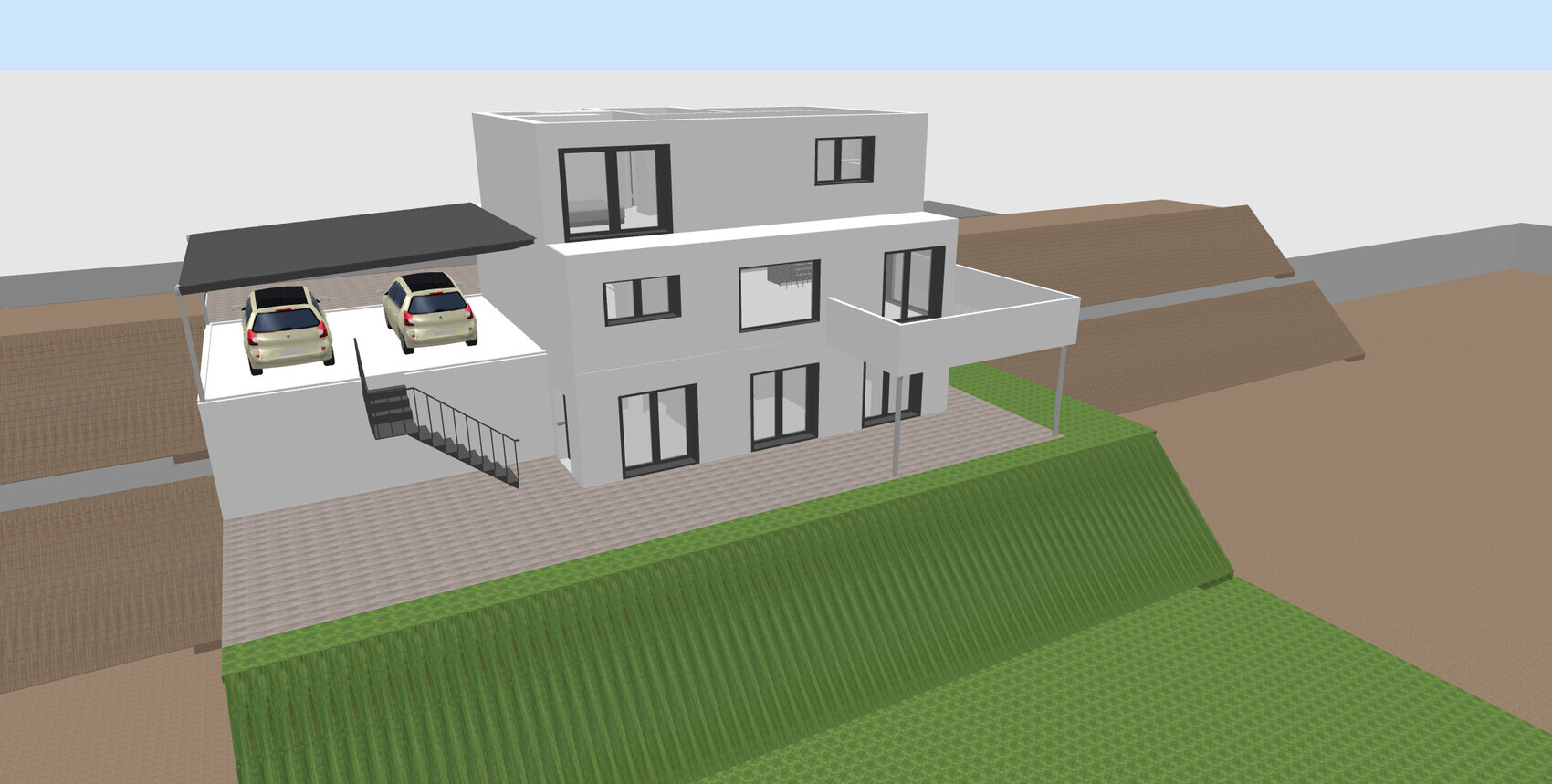
Style, roof form, building type: Bauhaus, flat roof, solid construction, single-family house with a granny flat
Basement, stories: total 2.5 stories: basement: living cellar/granny flat + utility room; ground floor: living area + office; upper floor (stepped floor): sleeping area
Number and age of people: 28 (female), 30 (male); planning for 2-3 children in about 3-4 years
Office: home office for wife
Overnight guests per year: 3–5
Open kitchen, kitchen island: open plan, preferably kitchen island (if budget allows)
Number of dining seats: 6
Balcony, roof terrace: yes, large balcony on supports connected to ground floor with garden access (depending on budget)
Garage, carport: basement carport; due to zoning plan and granny flat, 2 vehicles must fit under carport
Utility garden, greenhouse: undecided yet
House Design
Designer:
Basic design by planner from a construction company, but revised by us. Hence, the less polished own design created by me using Sweet Home 3D.
Please initially disregard the arrangement of windows, furniture, and bathroom fittings. Our main focus is on the layout and distribution of rooms across the various floors, as well as the overall concept.
About our concept:
Flexibility is one of the most important aspects of our plan. We want to use the basement initially as a granny flat and later convert it into living space for the children (hence 2 versions of the basement plan). The granny flat would be used for about 10 years before the kids move down there. When the children later leave the house and we no longer need a house of this size, it should revert back into a granny flat. Possibly later, we may also live in the granny flat ourselves and rent the upper area, but that is far in the future. The idea behind this is to alleviate the mortgage payments especially during the first 10 years, when the children are still small and one of us may not be working full-time.
What do you particularly like? Why?
The stepped floor as the parents’ area, or initially a room also for children while they are small. The layout and orientation of the kitchen/living/dining area (maybe a bit small?) facing the sun.
What do you dislike? Why?
Basement: the layout in the rear area of the granny flat (basement version 1): bathroom and bedroom are too small... Any ideas on how to gain space or redesign the granny flat so that the effort to convert to basement version 2 stays minimal.
Cost Estimate according to Architect/Planner:
440k for the house (without fittings) + 20k for balcony,
62k for garage (which was a proper garage, basemented and connected to the house on the lower ground floor)
30k for earthworks (excluding removal of excavated material)
Personal Price Limit for House including Fittings:
450k for house + fittings + ?? balcony (what more affordable options are possible for execution)
+ 30k for basement carport (self-build possible)
+ 30k earthworks (+? removal)
+ 15k landscaping
Preferred heating system: geothermal (ideally combined with photovoltaic system but probably not feasible within budget)
Why is the design as it is now? / If you had to give up, on which details or extensions
Can give up: living area size, currently approx. 195 m² (2100 sq ft). We want to reduce this somewhat to save costs. Staircase from balcony to garden.
Cannot give up: Basically, this is our dream house. If the budget isn’t enough, we will have to build significantly smaller, especially without a granny flat. The question I ask myself: How much smaller can I go with the wish for rather 3 than 2 children? Does a much smaller house justify leaving out the granny flat (granny flat = relief in the beginning when salaries are lower)? We will still need the rooms from the granny flat for the future children…
What is your most important / fundamental question about the floor plan in 130 characters?
Does our project make sense in terms of flexibility or is it nonsense and difficult to plan due to many unknowns? Did we miss fundamental things in our concept?
Thank you very much for your help
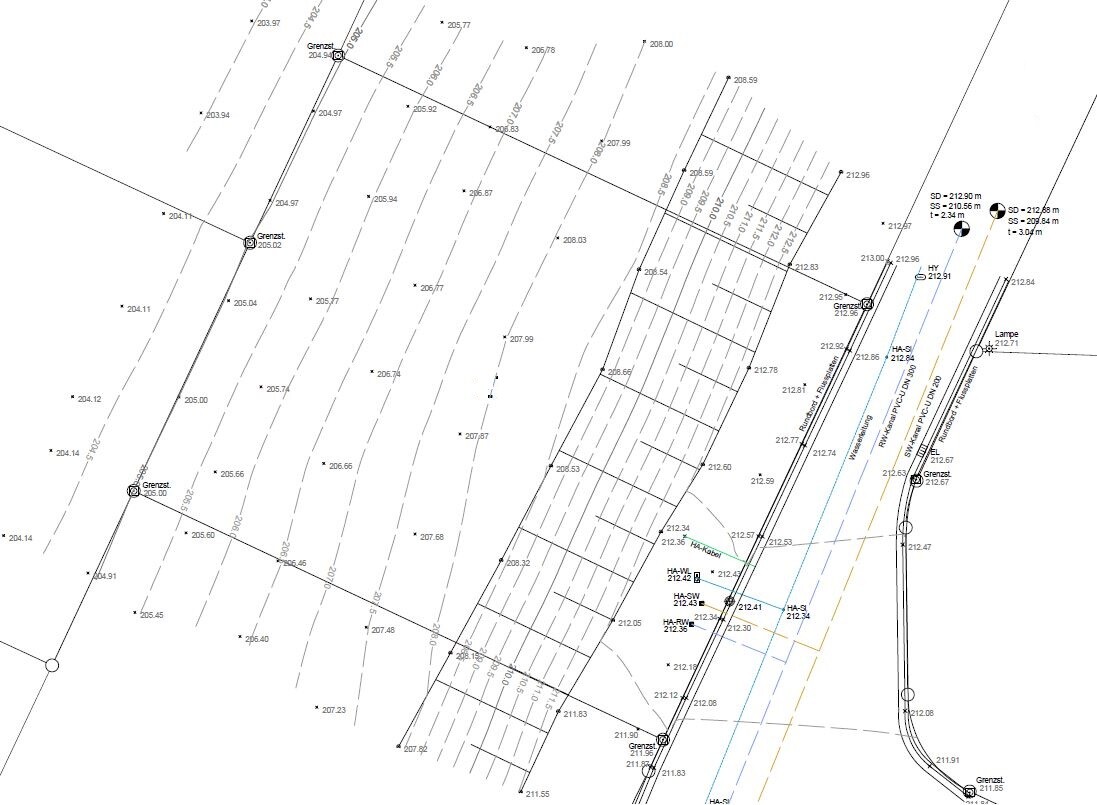
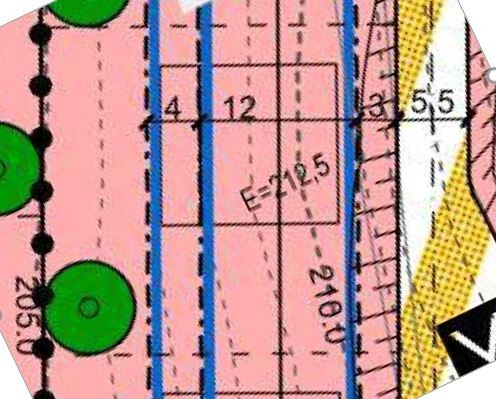
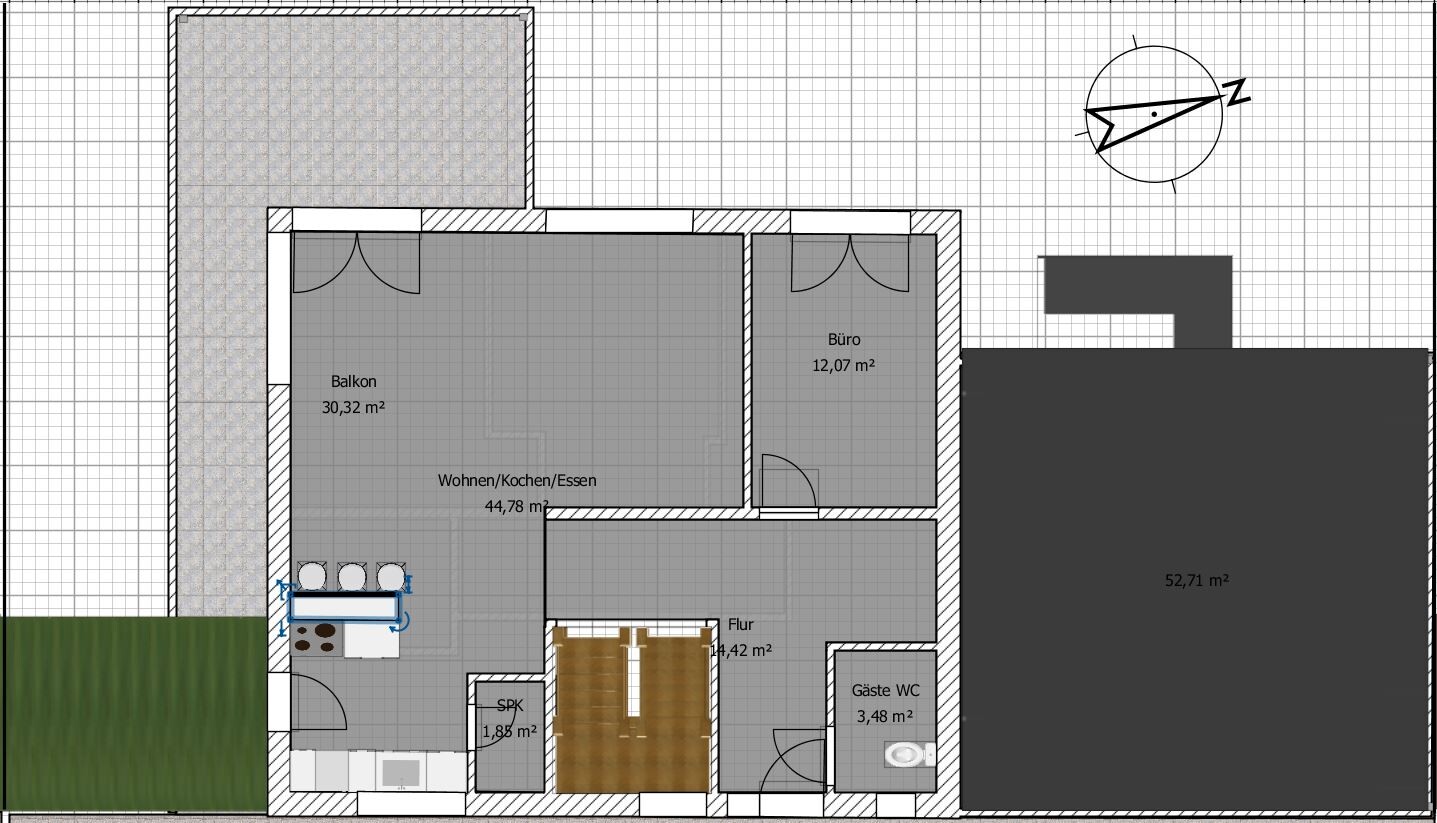
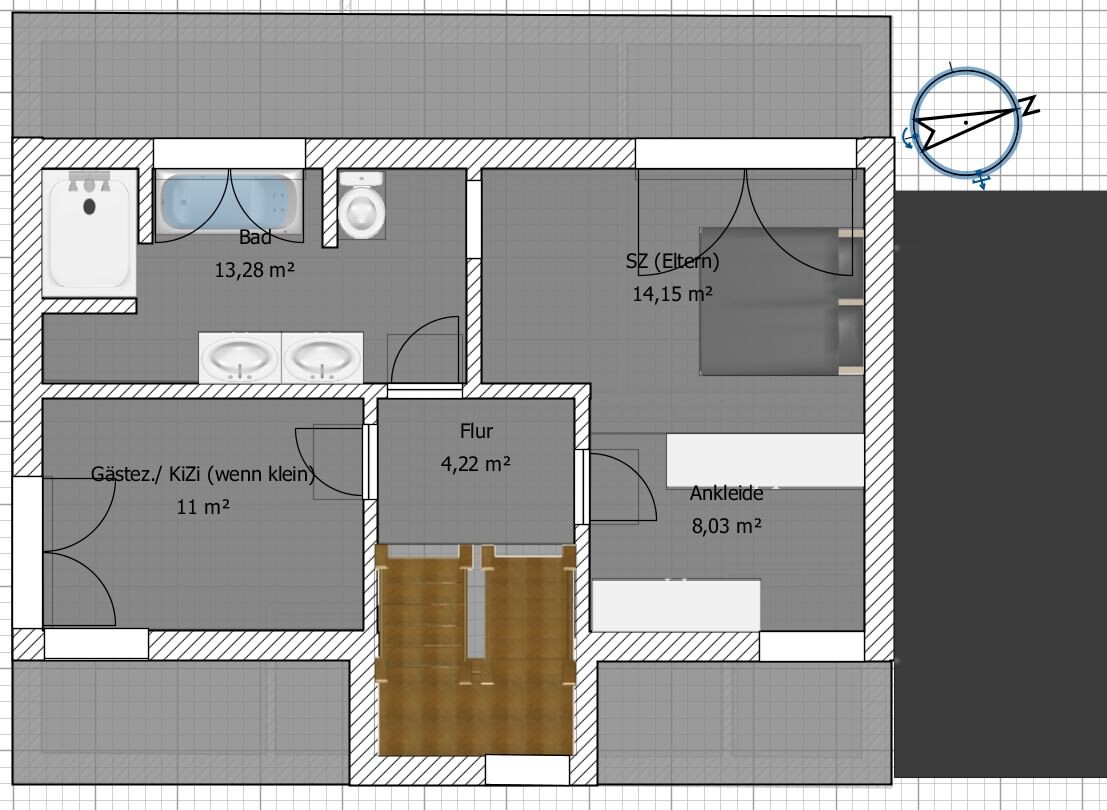
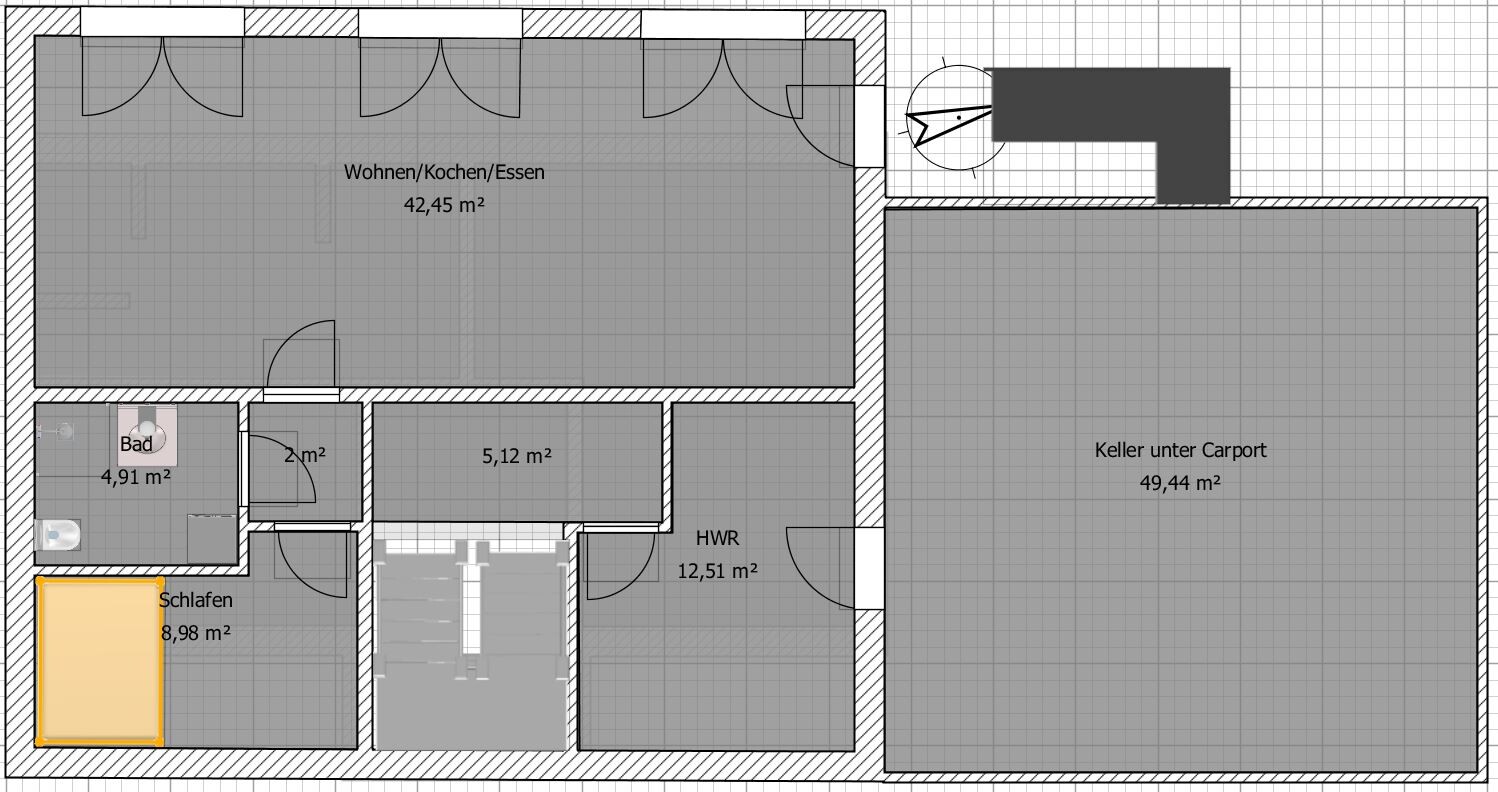
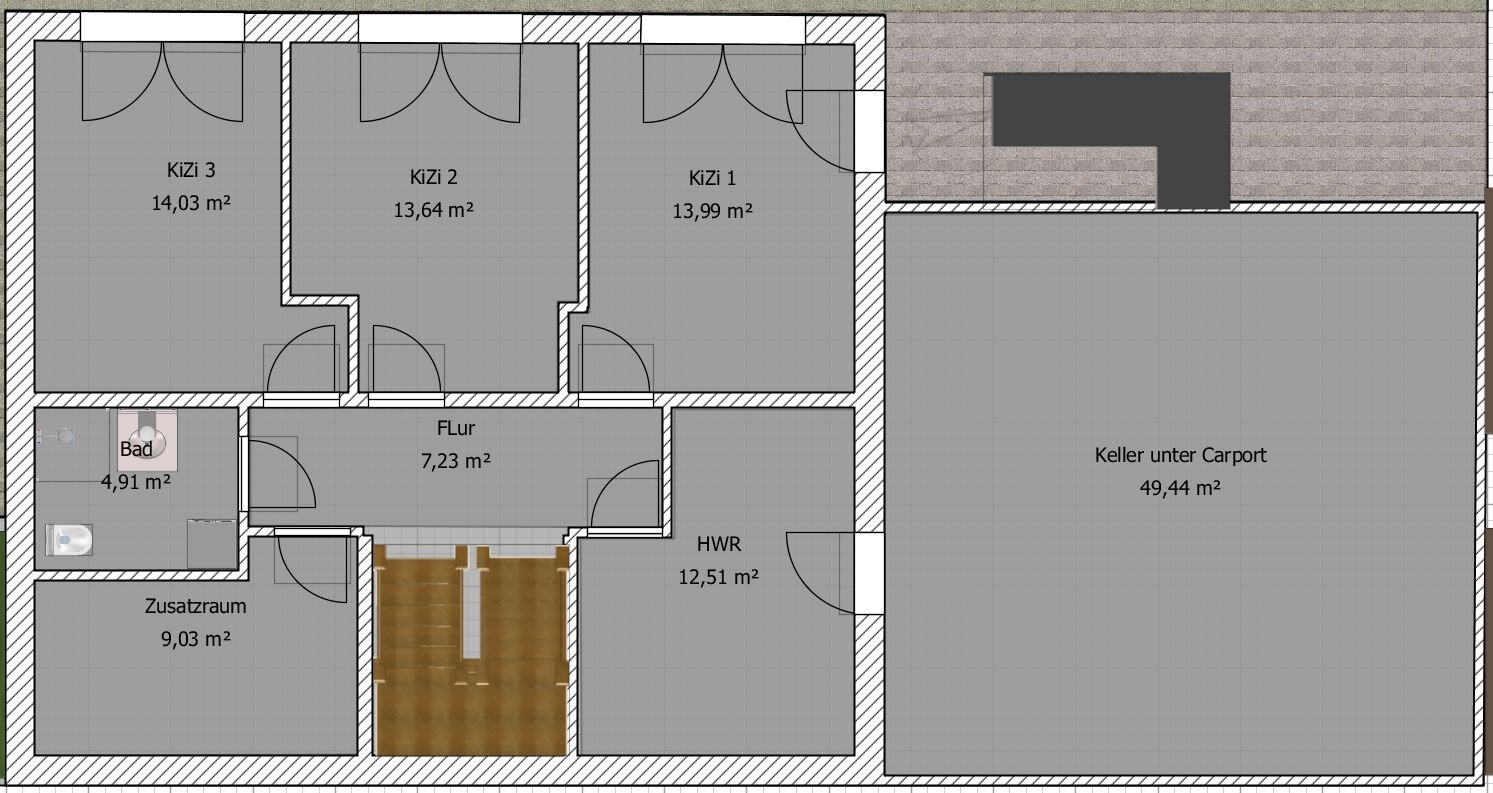
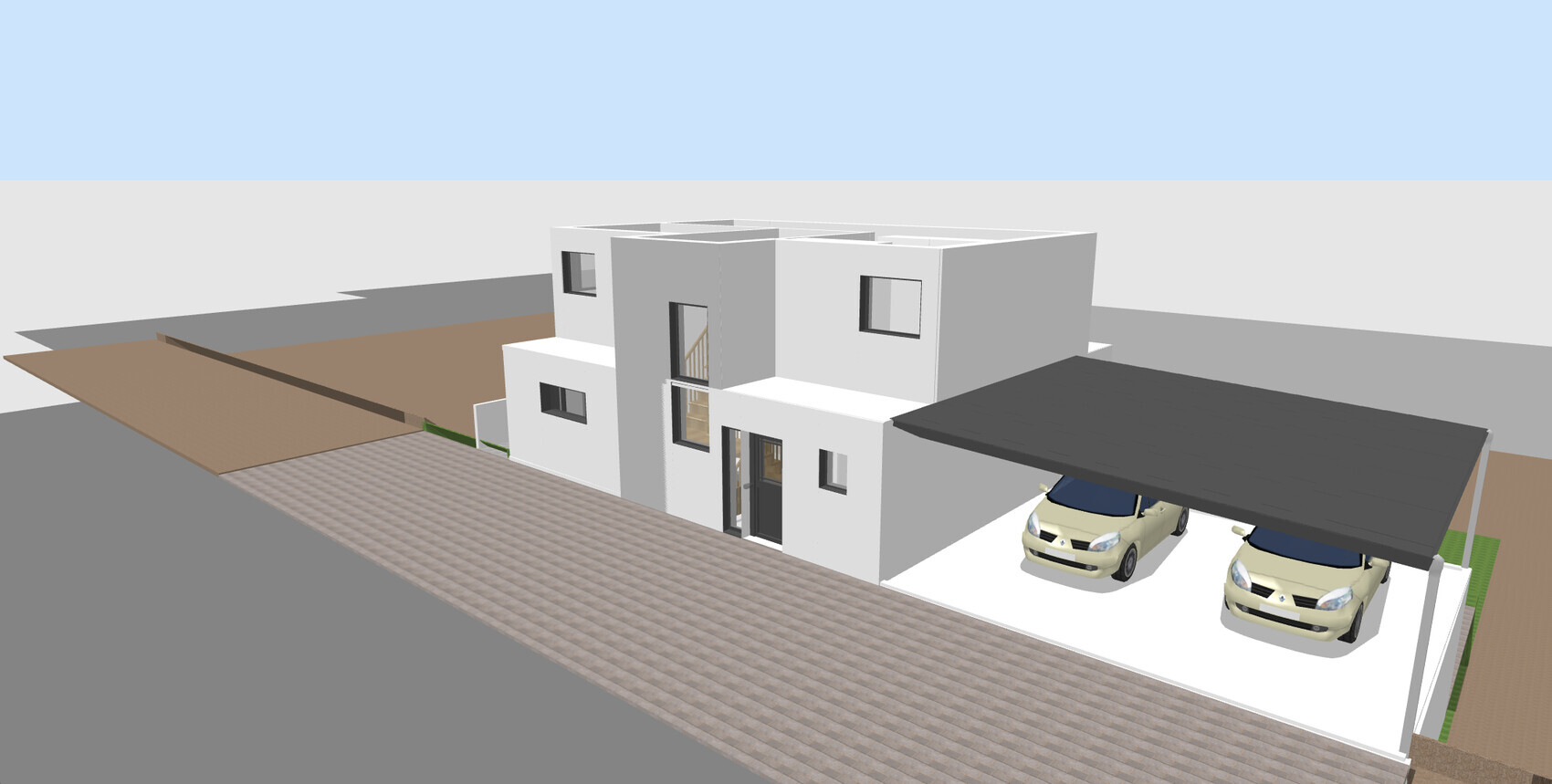
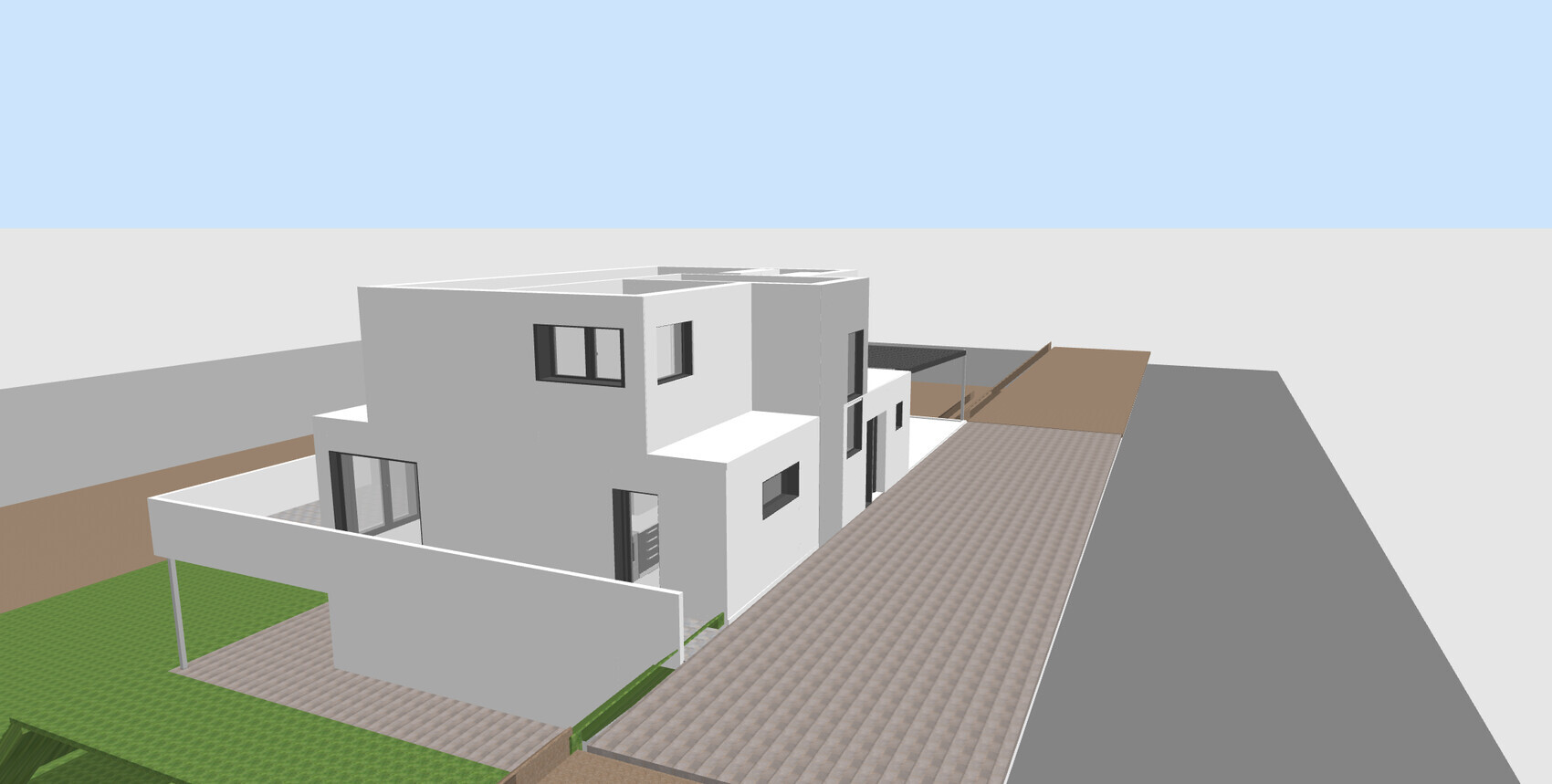

I have been mostly a silent reader here for several years and have gained many ideas and suggestions. I have followed many projects here since we started planning our own house build and have benefited greatly, incorporating many considerations into our planning. After purchasing a plot about 2 years ago, our own house construction is now getting closer, with the goal to start next year.
So far, we have worked with 2 different general contractors (GCs), who provided similar concepts but different designs due to the placement of the stairs. We have made some independent changes to the design we preferred.
Due to professional priorities, the project did not have top priority since the beginning of this year. This will change from April, and we will consult several more GCs. Since we have an upcoming appointment with a GC soon, I would like to hear your critical and honest opinions about our concept and design beforehand.
Thank you in advance for your help.
Zoning Plan / Restrictions
Plot size: 600 m² (22 m wide x 27 m deep) (72 ft x 89 ft)
Slope: yes, steep slope (approx. 8 m on the north side and 7 m on the south side; see attached leveling plan)
Site coverage ratio: 0.4
Floor area ratio: 1
Building envelope, building line and boundary: see zoning plan excerpt
Edge development: no, 3 m setback; garage allowed; 5 m setback required from the street side
Number of parking spaces: 2 per housing unit, one of which must be covered
Number of floors: max. 2 full stories + half / stepped floor
Roof type: no restriction
Architectural style: no restriction, except no log houses
Orientation: west
Maximum heights / limits: eaves height max., parapet top max. 4 m (13 ft) on street side; eaves height max., parapet top max. 7 m (23 ft) above ground height on garden side
Other requirements:
Owners’ Requirements
Style, roof form, building type: Bauhaus, flat roof, solid construction, single-family house with a granny flat
Basement, stories: total 2.5 stories: basement: living cellar/granny flat + utility room; ground floor: living area + office; upper floor (stepped floor): sleeping area
Number and age of people: 28 (female), 30 (male); planning for 2-3 children in about 3-4 years
Office: home office for wife
Overnight guests per year: 3–5
Open kitchen, kitchen island: open plan, preferably kitchen island (if budget allows)
Number of dining seats: 6
Balcony, roof terrace: yes, large balcony on supports connected to ground floor with garden access (depending on budget)
Garage, carport: basement carport; due to zoning plan and granny flat, 2 vehicles must fit under carport
Utility garden, greenhouse: undecided yet
House Design
Designer:
Basic design by planner from a construction company, but revised by us. Hence, the less polished own design created by me using Sweet Home 3D.
Please initially disregard the arrangement of windows, furniture, and bathroom fittings. Our main focus is on the layout and distribution of rooms across the various floors, as well as the overall concept.
About our concept:
Flexibility is one of the most important aspects of our plan. We want to use the basement initially as a granny flat and later convert it into living space for the children (hence 2 versions of the basement plan). The granny flat would be used for about 10 years before the kids move down there. When the children later leave the house and we no longer need a house of this size, it should revert back into a granny flat. Possibly later, we may also live in the granny flat ourselves and rent the upper area, but that is far in the future. The idea behind this is to alleviate the mortgage payments especially during the first 10 years, when the children are still small and one of us may not be working full-time.
What do you particularly like? Why?
The stepped floor as the parents’ area, or initially a room also for children while they are small. The layout and orientation of the kitchen/living/dining area (maybe a bit small?) facing the sun.
What do you dislike? Why?
Basement: the layout in the rear area of the granny flat (basement version 1): bathroom and bedroom are too small... Any ideas on how to gain space or redesign the granny flat so that the effort to convert to basement version 2 stays minimal.
Cost Estimate according to Architect/Planner:
440k for the house (without fittings) + 20k for balcony,
62k for garage (which was a proper garage, basemented and connected to the house on the lower ground floor)
30k for earthworks (excluding removal of excavated material)
Personal Price Limit for House including Fittings:
450k for house + fittings + ?? balcony (what more affordable options are possible for execution)
+ 30k for basement carport (self-build possible)
+ 30k earthworks (+? removal)
+ 15k landscaping
Preferred heating system: geothermal (ideally combined with photovoltaic system but probably not feasible within budget)
Why is the design as it is now? / If you had to give up, on which details or extensions
Can give up: living area size, currently approx. 195 m² (2100 sq ft). We want to reduce this somewhat to save costs. Staircase from balcony to garden.
Cannot give up: Basically, this is our dream house. If the budget isn’t enough, we will have to build significantly smaller, especially without a granny flat. The question I ask myself: How much smaller can I go with the wish for rather 3 than 2 children? Does a much smaller house justify leaving out the granny flat (granny flat = relief in the beginning when salaries are lower)? We will still need the rooms from the granny flat for the future children…
What is your most important / fundamental question about the floor plan in 130 characters?
Does our project make sense in terms of flexibility or is it nonsense and difficult to plan due to many unknowns? Did we miss fundamental things in our concept?
Thank you very much for your help

kinderpingui schrieb:
The housing market currently favors landlords That’s nonsense, especially considering the construction costs. Rents have increased a bit, yes, but construction costs have skyrocketed! Take your current rent and try to cover the price by multiplying the square meters by 2000. How long would you be paying? After 15 to 20 years, you’ll have to renovate everything, and with a secondary unit, turnover can be much higher since it’s often used only temporarily—which means it wears out faster. And 2000 is already on the lower end of quality standards.
Anyway, if you’d rather just stay on the balcony, that’s everyone’s choice. I see the budget much more as the limiting factor for building two stories, and then everything gets reconsidered and mixed up again.
How often are children in the garden in our latitudes?
About 330 days a year, and on roughly 150 days you can’t get them to come inside.
At least that’s the case for the Bavarian country child.
No, it doesn’t make sense that living spaces are accessed from below.
My parents have a property with access from below and live on the upper floor because that’s where the south-facing garden is. It’s one staircase up, and that works well and is practical.
About 330 days a year, and on roughly 150 days you can’t get them to come inside.
At least that’s the case for the Bavarian country child.
No, it doesn’t make sense that living spaces are accessed from below.
My parents have a property with access from below and live on the upper floor because that’s where the south-facing garden is. It’s one staircase up, and that works well and is practical.
kaho674 schrieb:
That doesn’t add up when you consider the construction costs. Rents have increased a bit, yes, but construction costs have soared! Take your current rent and try to pay off the square meters at around 2000 per m² (20 sq ft). How long would you be paying? After 15 to 20 years, you have to renovate everything, and with a granny flat or accessory dwelling unit, turnover can be much higher since it’s often used temporarily—that means it wears out faster. And 2000 per m² (20 sq ft) is actually on the lower end in terms of finish quality.
Anyway, if you’d rather just sit on the balcony, that’s each to their own. I see the budget much more as the limiting factor for having only two floors, and then everything gets reshuffled and reconsidered again.You’re forgetting that the granny flat or accessory unit doesn’t require building extra space but only repurposing areas currently unused.
I didn’t really want to respond to the last post from the original poster because there are many contradictions, and apparently several strangers or mail carriers per day weigh more than life in the garden, meaning the transition from cooking pot to shrubbery. It’s also confusing that arguments against a voyeuristic window were requested but no longer are.
So, to put it roughly: you must not lie to yourself about affording something if you can’t truly afford it. That can backfire quickly. Apartments where the owner lives in the same building don’t appeal to me, even for vacations, because there’s always the pressure to “behave properly.” That strongly narrows the target audience, if that was ever considered. Over 40 m² (430 sq ft) of open-plan space with a tiny bathroom and bedroom… it will probably be for a single person. But they likely won’t want strangers’ children in the building, etc. Also, rented spaces are worn out after 10 years, then extensive remodeling is required.
I would only approach building this house with a good architect who knows to what extent load-bearing basement walls can be opened up for doors. Surely it’s doable, but construction costs will increase, remodeling will cost more, renovations too, and when the government regularly wants its share, in the end, there’s not much left except a stranger’s car in your own carport that doesn’t suit you.
ypg schrieb:
You forget that the granny flat is not built larger separately; only the use of currently unused rooms is changed. No, I am referring explicitly to the previous quote, "the market would be great for landlords." They constantly have to maintain the worn-out building, which currently costs more than the rental income. This also applies to the granny flat.
Of course, the rental income may temporarily make the 3 children’s bedrooms seem like a cheap investment, but as soon as the children are supposed to move in, renovation plus conversion will be necessary. This can become quite expensive. Taxes also have to be deducted from the income. Additionally, investments in the outdoor areas will probably be more costly due to separate entrances than without a granny flat. What’s left then?
All that hassle and the constant presence of a stranger in my house—never!
I lived for a while in a two-family house, upper floor/attic, with another apartment on the ground floor.
The terrace in the garden was usually too far away; we only brought everything out there in exceptional cases. The hassle of quickly going back into the house to get something you forgot, with a small child (who I couldn’t leave alone because of the pond)... Even though that phase eventually passed, I remember it as unpleasant. Of course, I spent time with the kids in the garden, but it was more like a separate activity, similar to going to the playground.
The lower apartment (ground floor) belonged to my ex’s father. Since he passed away, it has remained vacant. Back then, we considered what to do. Should we permanently rent it to strangers? A shared apartment with two student rooms, preferably for weekend commuters? A holiday rental, so at least you don’t have someone there all the time but still get some income now and then? My ex’s current solution: in a city where apartments are actually very scarce and in demand, the lower floor simply remains empty.
The terrace in the garden was usually too far away; we only brought everything out there in exceptional cases. The hassle of quickly going back into the house to get something you forgot, with a small child (who I couldn’t leave alone because of the pond)... Even though that phase eventually passed, I remember it as unpleasant. Of course, I spent time with the kids in the garden, but it was more like a separate activity, similar to going to the playground.
The lower apartment (ground floor) belonged to my ex’s father. Since he passed away, it has remained vacant. Back then, we considered what to do. Should we permanently rent it to strangers? A shared apartment with two student rooms, preferably for weekend commuters? A holiday rental, so at least you don’t have someone there all the time but still get some income now and then? My ex’s current solution: in a city where apartments are actually very scarce and in demand, the lower floor simply remains empty.

kinderpingui schrieb:
Does anyone possibly have ideas for the layout of the rooms in the basement? Also, take a look at @Arifas https://www.hausbau-forum.de/threads/grundrissplanung-hanghaus-mit-5-Kinderzimmer.24670/ (there we had the opposite topic, planning the children's rooms so they could later be converted into a separate apartment), or — putting aside the fact that we mostly don’t expect to achieve a precision landing here — check out @Franky73. And basically, imagine all examples you find in forums in reverse as well (for example, consider a staggered upper floor as a model for one half of a basement living area).
Regarding separate apartments in general: 1. this is never really cost-effective if you start by increasing the budget; 2. this is especially true for plots on a slope. By the way, I wouldn’t call myself a “smoker” with my half dozen cigarettes a year. This also applies metaphorically to someone who “rents out” a single separate apartment. You will never ever become a “landlord” in the sense of a serious source of income — not under any market conditions! — with just one housing unit.
https://www.instagram.com/11antgmxde/
https://www.linkedin.com/company/bauen-jetzt/
Similar topics