
ᐅ How to Properly Install a Studded Membrane, Base Waterproofing, and Drainage?
Created on: 24 Nov 2018 01:10
Z
zizzi
Hello everyone,
We have a bungalow with the following wall construction:
1. Sand-lime brick, bitumen coating, rigid foam insulation in the base area around windows and doors, otherwise mineral wool
2. Air gap
3. Facing brick with a double layer of bitumen membrane in the base area.
No basement; rainwater must infiltrate on the property (soil is sandy).
A dimple membrane is intended to protect the house wall from moisture coming from the ground (I am not using a gravel bed because the bungalow has a 50 cm (20 inches) roof overhang).
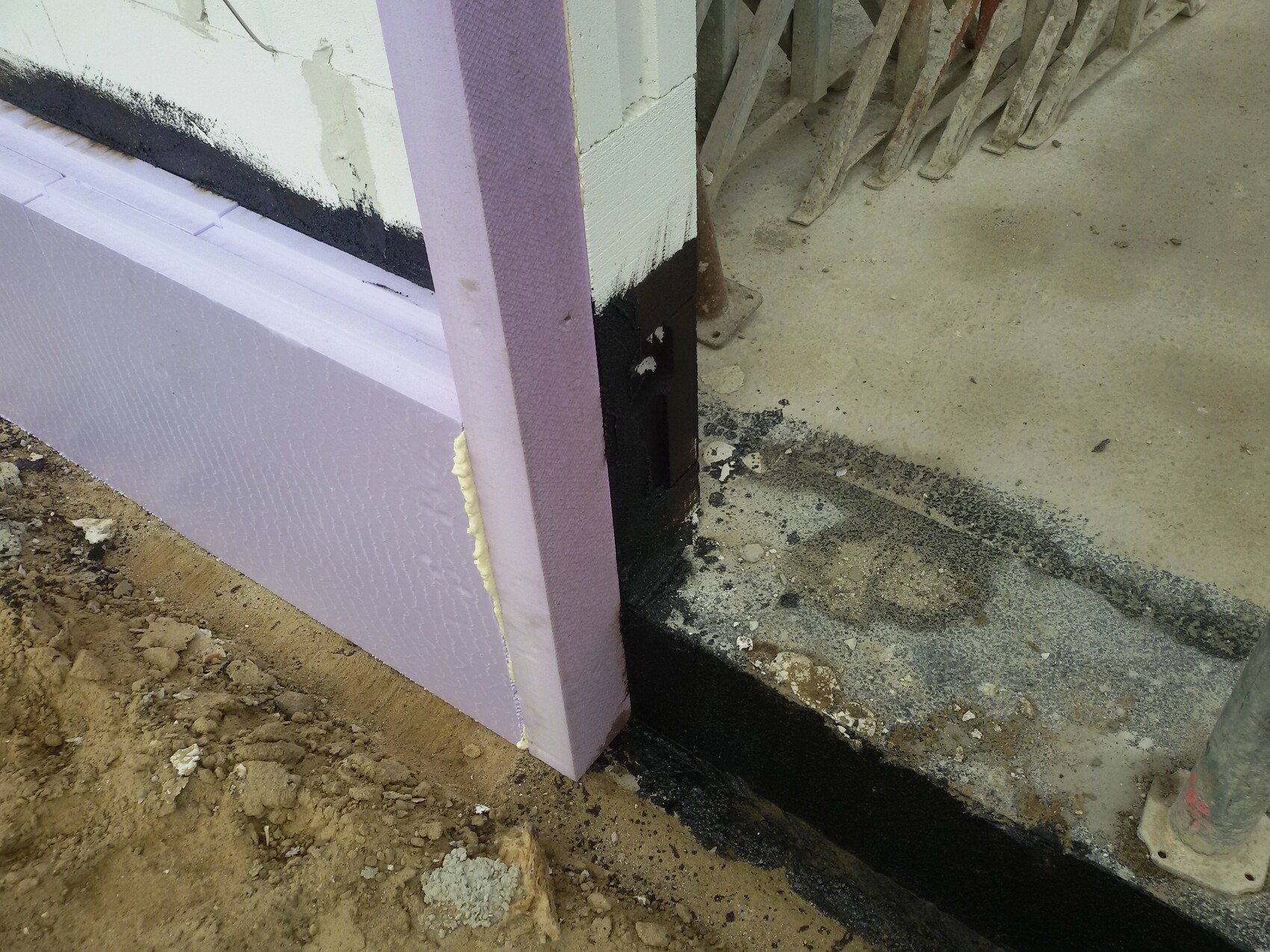
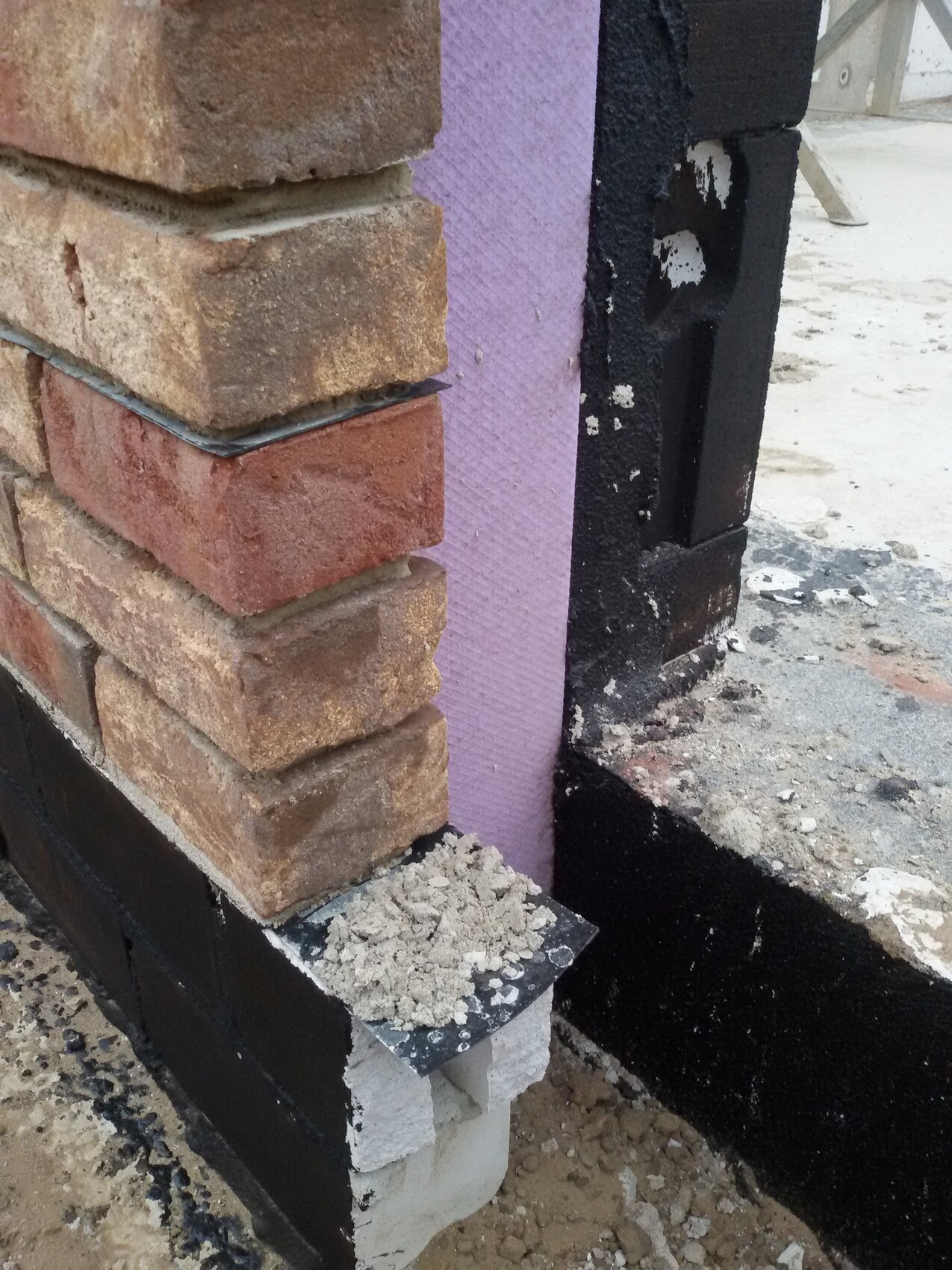
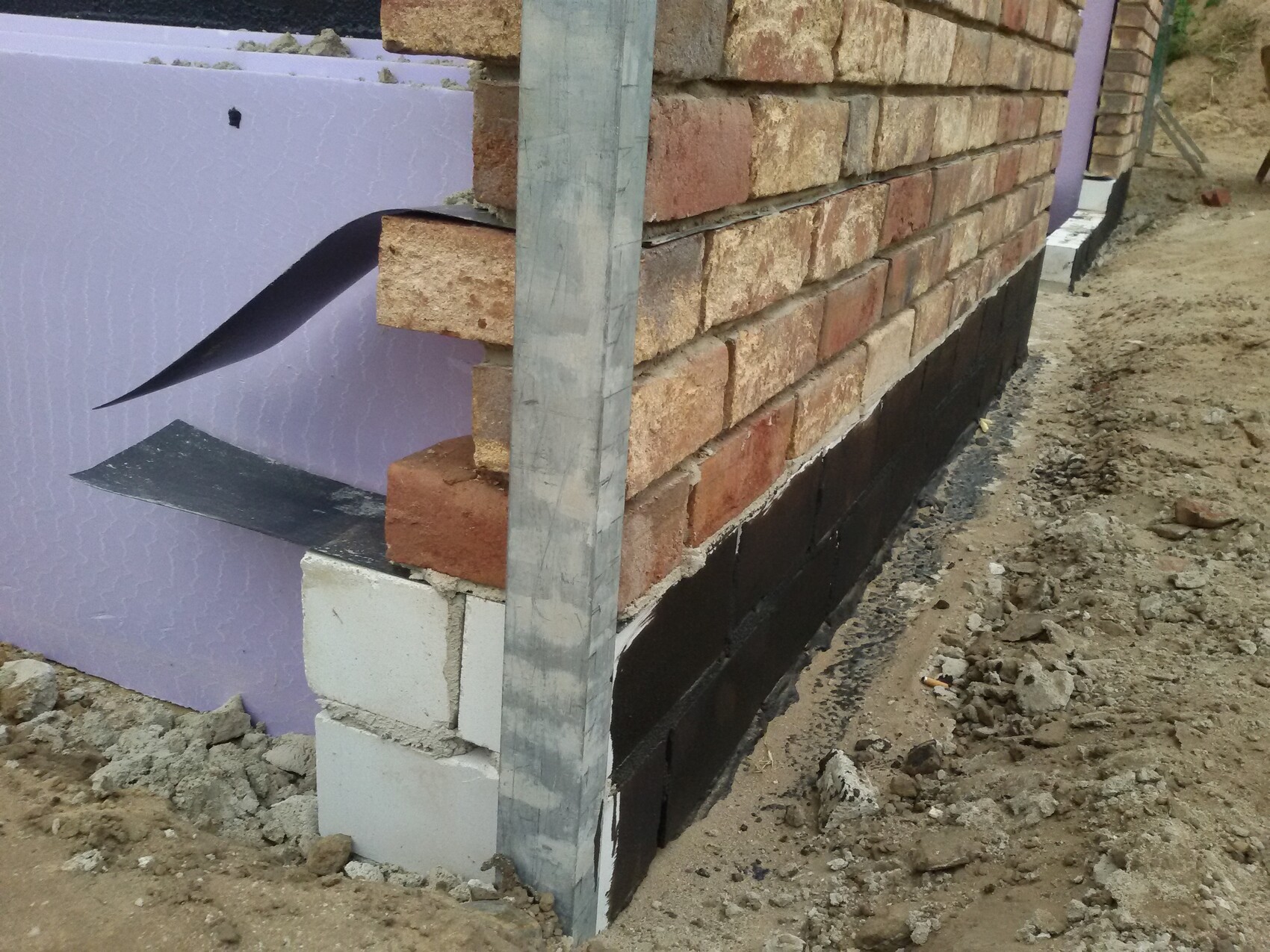
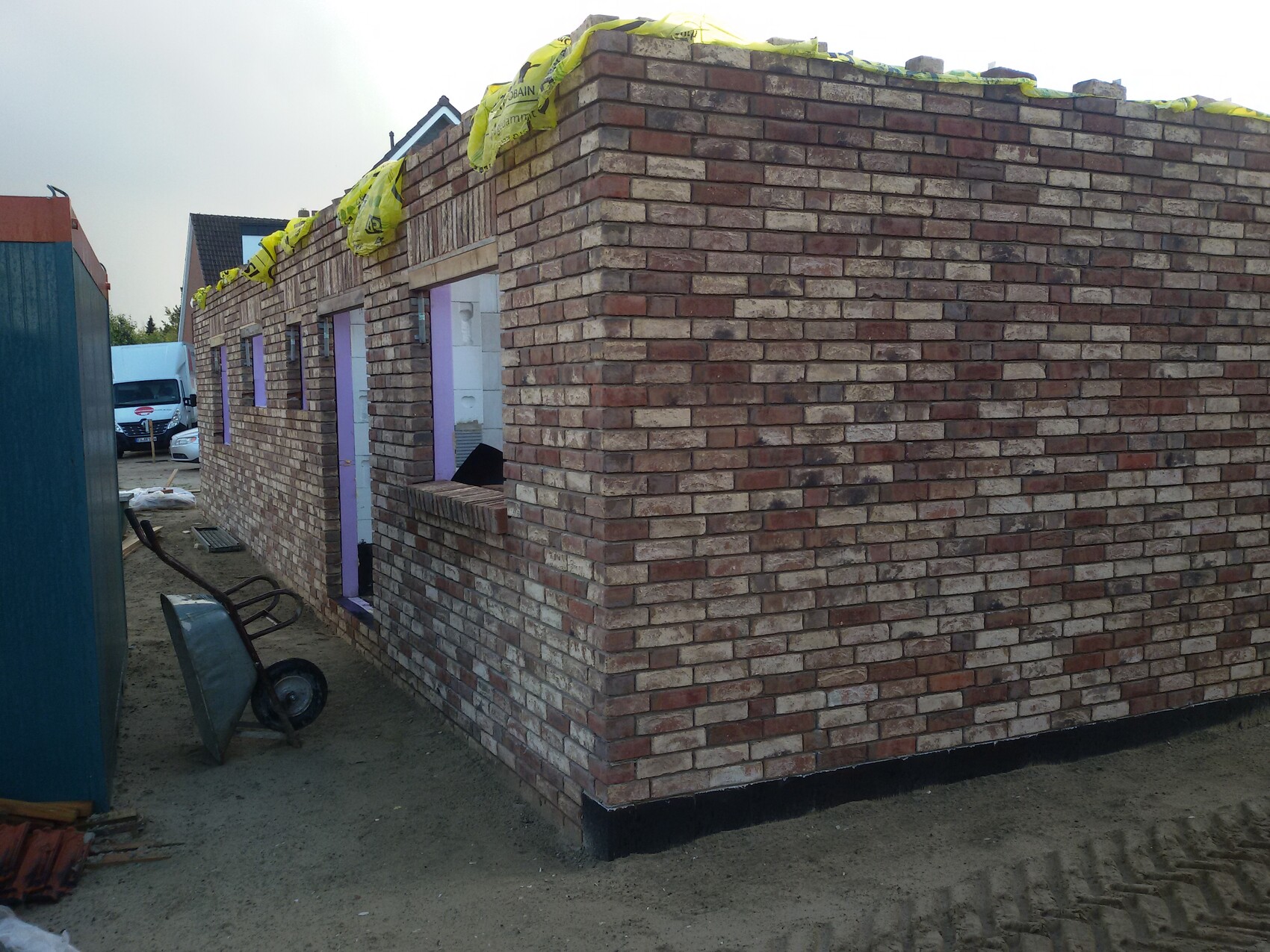
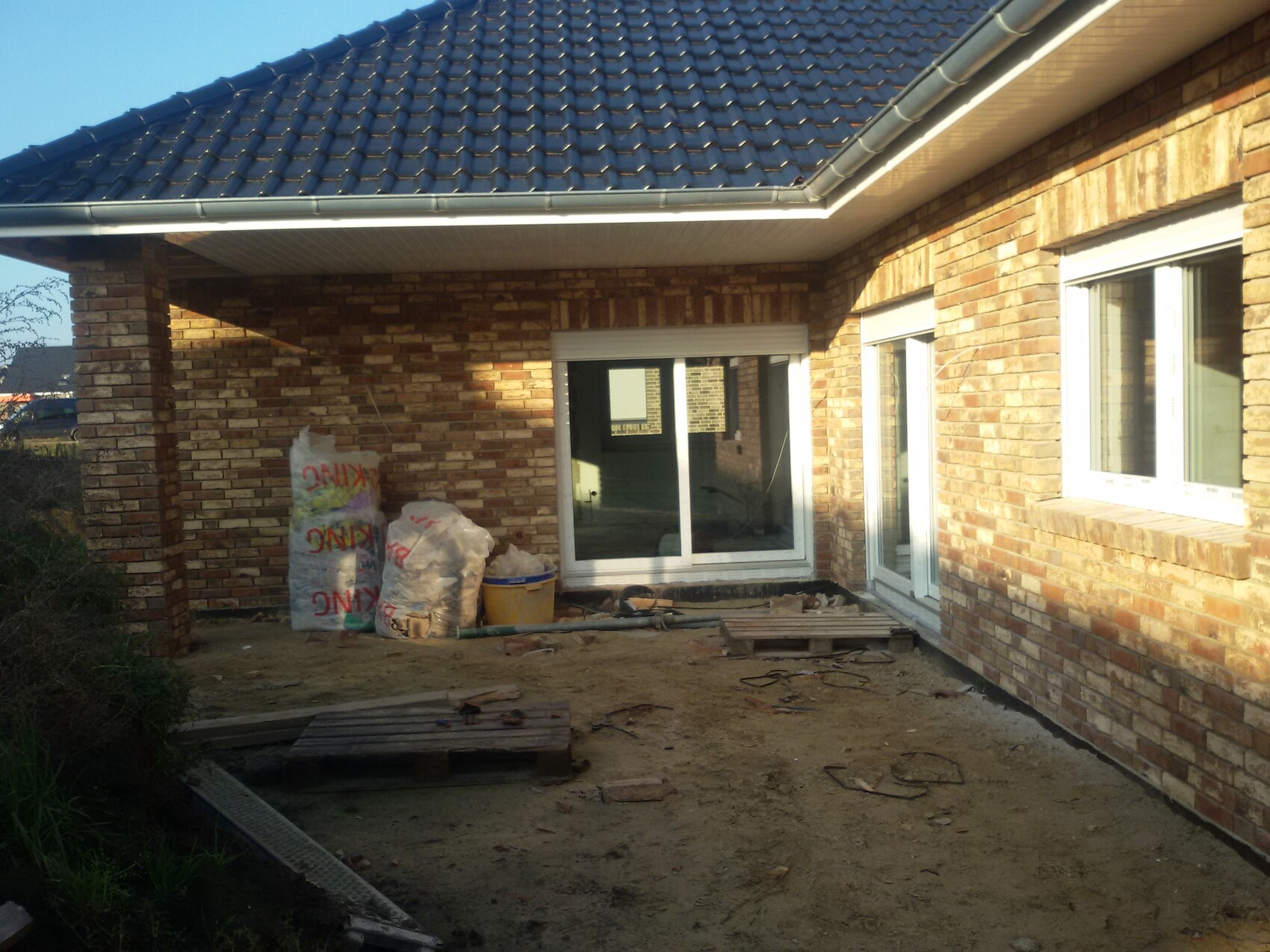
How should this dimple membrane be installed correctly?
Which side should face which way?
Is drainage necessary? Should gravel be placed below or above the drainage? What happens at the beginning and end of the drainage system? Should it be connected to the rainwater downpipe or…?
Geotextile fabric?
How have you done it? (maybe a sketch?)
Best regards
We have a bungalow with the following wall construction:
1. Sand-lime brick, bitumen coating, rigid foam insulation in the base area around windows and doors, otherwise mineral wool
2. Air gap
3. Facing brick with a double layer of bitumen membrane in the base area.
No basement; rainwater must infiltrate on the property (soil is sandy).
A dimple membrane is intended to protect the house wall from moisture coming from the ground (I am not using a gravel bed because the bungalow has a 50 cm (20 inches) roof overhang).
How should this dimple membrane be installed correctly?
Which side should face which way?
Is drainage necessary? Should gravel be placed below or above the drainage? What happens at the beginning and end of the drainage system? Should it be connected to the rainwater downpipe or…?
Geotextile fabric?
How have you done it? (maybe a sketch?)
Best regards
Hey,
we’re currently working outside as well, and the drainage membrane basically stays in place on its own. Lay it against the house, add a shovel of gravel, and then simply fill in while spreading the gravel.
I also think your planning looks good overall, especially the wide paths and such. When it comes to plants, you just have to choose what you like and what fits.
We also have thuja as a hedge and will plant some new shrubs where the hedge needs to be extended. They are very low-maintenance and, in my opinion, quite hardy. What I really like is that many birds live in them.
If you want, I can upload pictures tomorrow.
Best regards
we’re currently working outside as well, and the drainage membrane basically stays in place on its own. Lay it against the house, add a shovel of gravel, and then simply fill in while spreading the gravel.
I also think your planning looks good overall, especially the wide paths and such. When it comes to plants, you just have to choose what you like and what fits.
We also have thuja as a hedge and will plant some new shrubs where the hedge needs to be extended. They are very low-maintenance and, in my opinion, quite hardy. What I really like is that many birds live in them.
If you want, I can upload pictures tomorrow.
Best regards
Hello,
I noticed that the sealing of your floor-to-ceiling windows does not comply with technical standards. Among other things, the sealing between the masonry and the base profile is not continuous. If you raise your terrace to that level, moisture could penetrate between the slab and the window.
I noticed that the sealing of your floor-to-ceiling windows does not comply with technical standards. Among other things, the sealing between the masonry and the base profile is not continuous. If you raise your terrace to that level, moisture could penetrate between the slab and the window.
does02 schrieb:
Hello,
I noticed that the waterproofing of your floor-to-ceiling windows does not comply with standard technical guidelines. For example, the sealing between the masonry and the base profile is not continuous. If you raise your terrace to that level, moisture could penetrate between the slab and the window. Is this the bitumen strip you mean?
does02 schrieb:
No.
Try googling "The Forgotten Connection" by Wetzel on this topic. I have filed a complaint and requested a correction. Later, I spoke by phone with the company manager. He said, "That will be done, the roofers will take care of it." What can the roofers do when the windows and doors are already installed, and the brick cladding is in place? (I asked)
Is that correct, or was he just talking nonsense?
I even have photos of the current condition...
Similar topics