
ᐅ How to Properly Install a Studded Membrane, Base Waterproofing, and Drainage?
Created on: 24 Nov 2018 01:10
Z
zizziHello everyone,
We have a bungalow with the following wall construction:
1. Sand-lime brick, bitumen coating, rigid foam insulation in the base area around windows and doors, otherwise mineral wool
2. Air gap
3. Facing brick with a double layer of bitumen membrane in the base area.
No basement; rainwater must infiltrate on the property (soil is sandy).
A dimple membrane is intended to protect the house wall from moisture coming from the ground (I am not using a gravel bed because the bungalow has a 50 cm (20 inches) roof overhang).
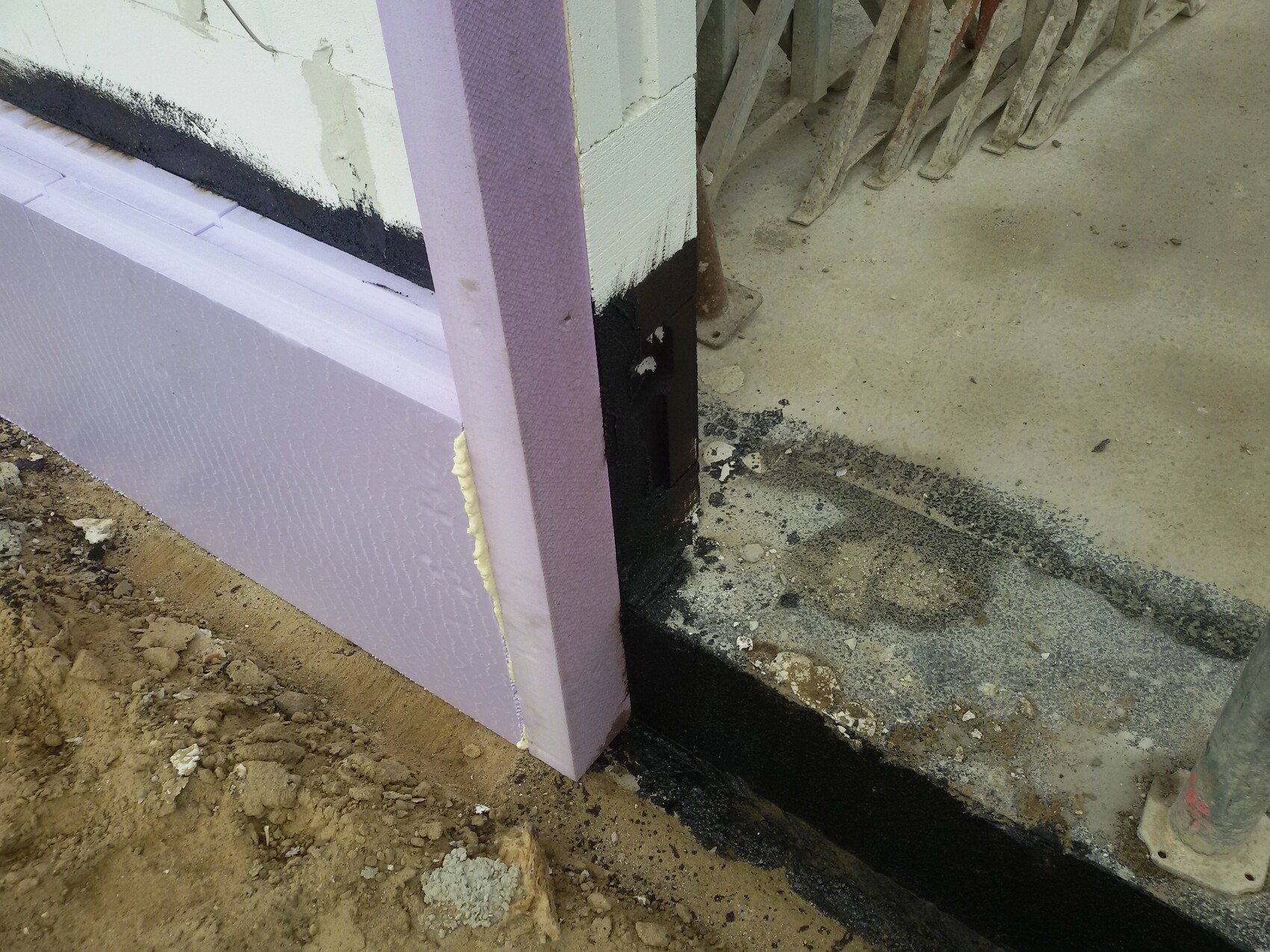
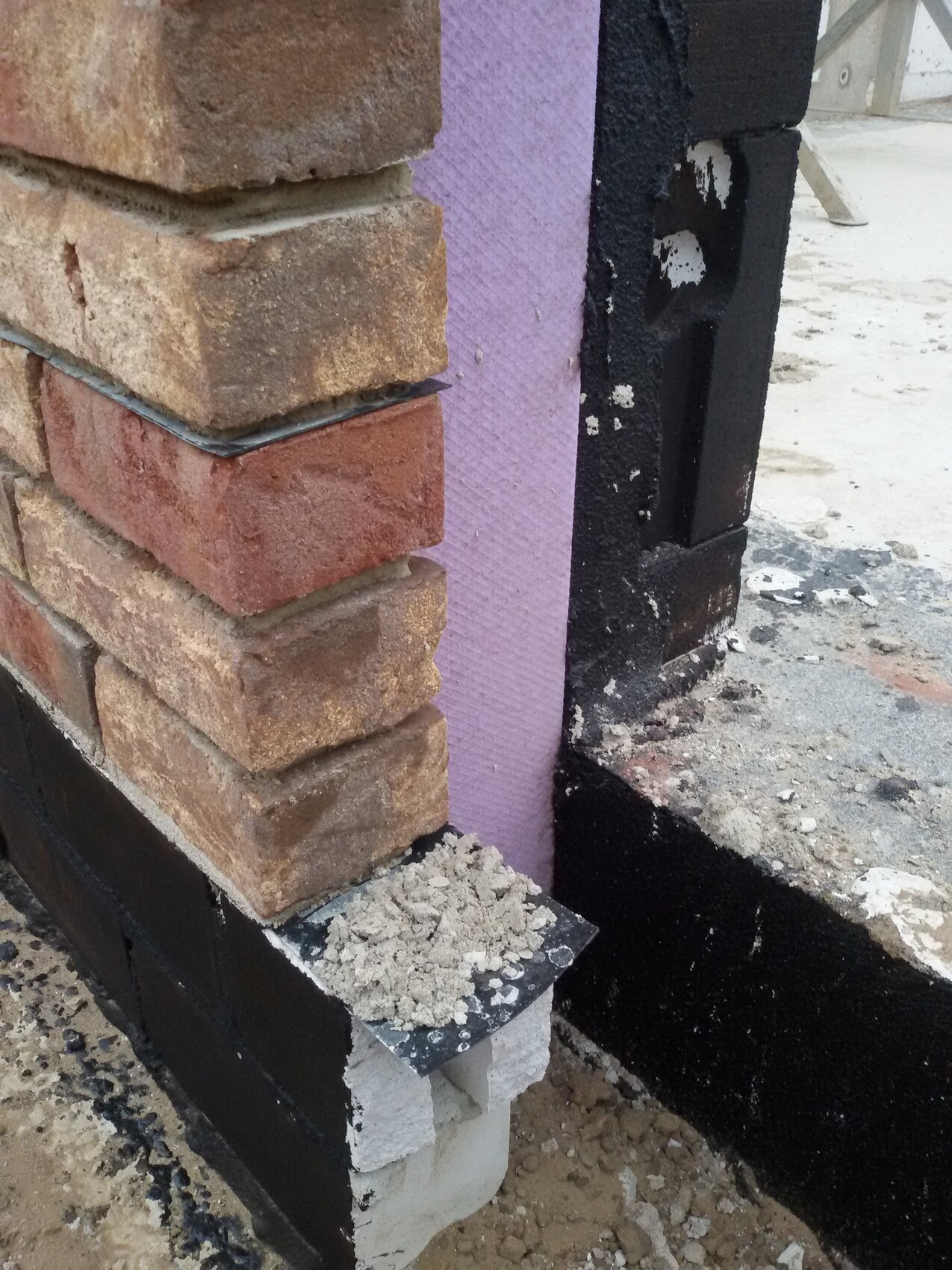
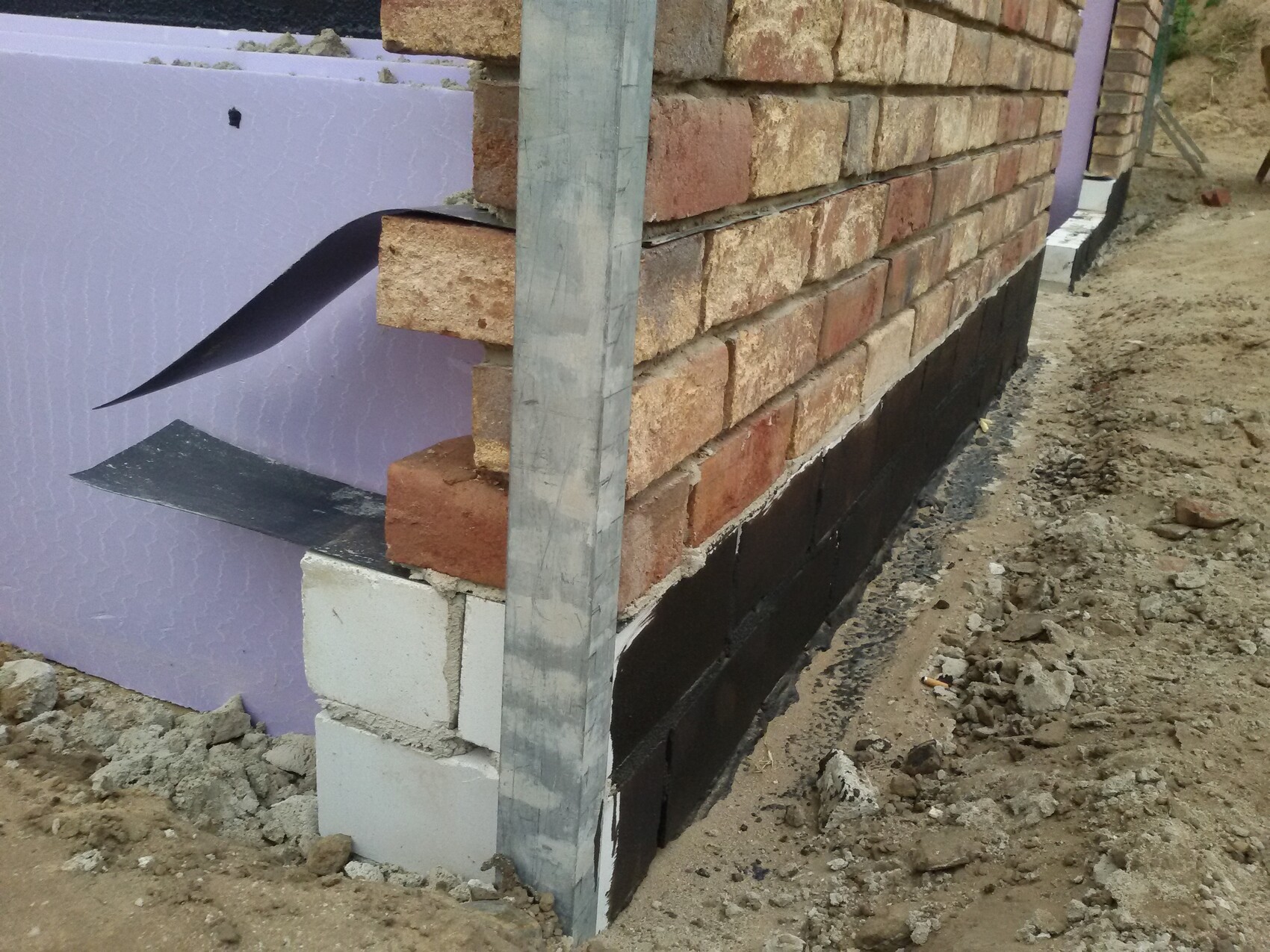
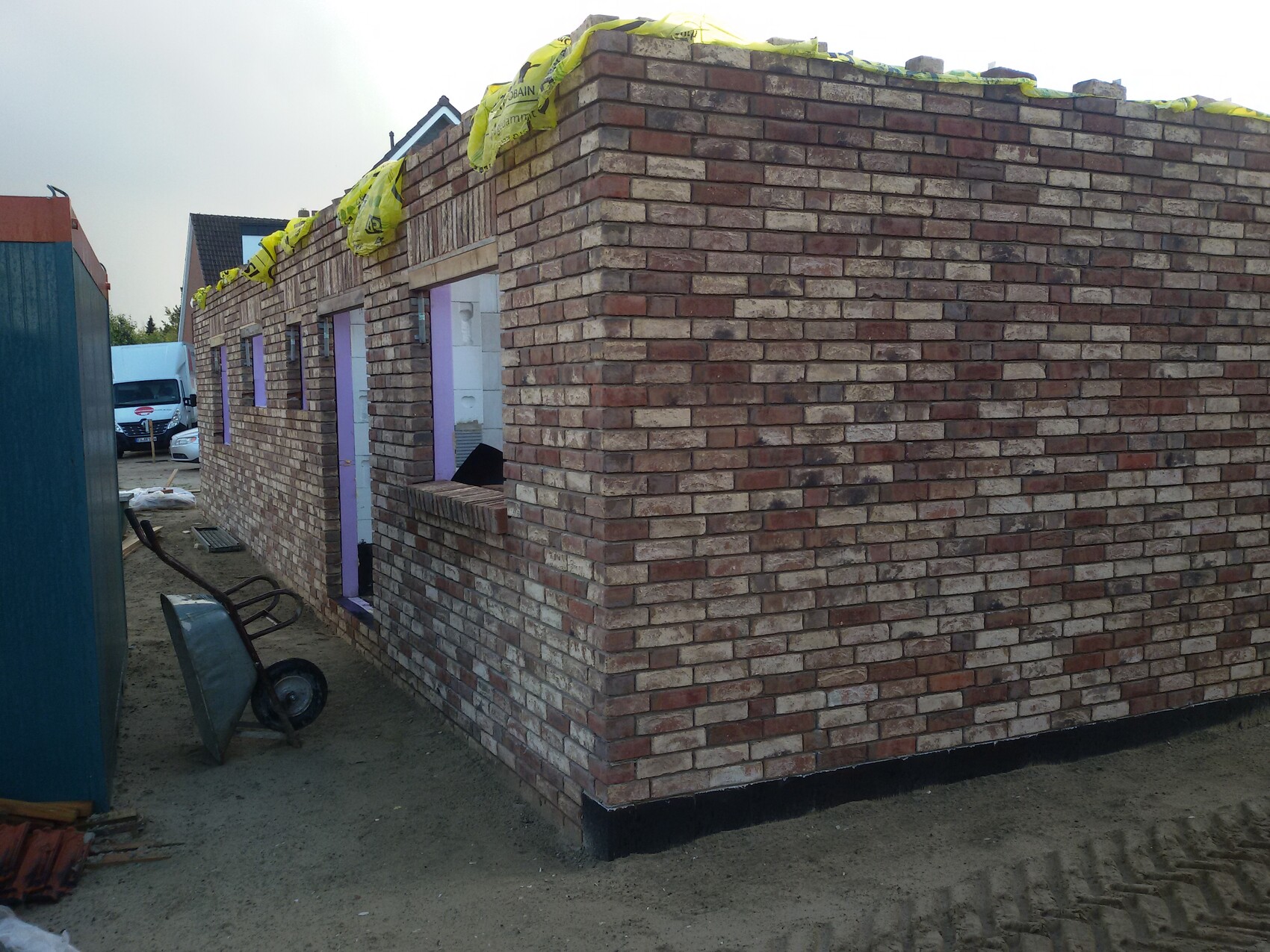
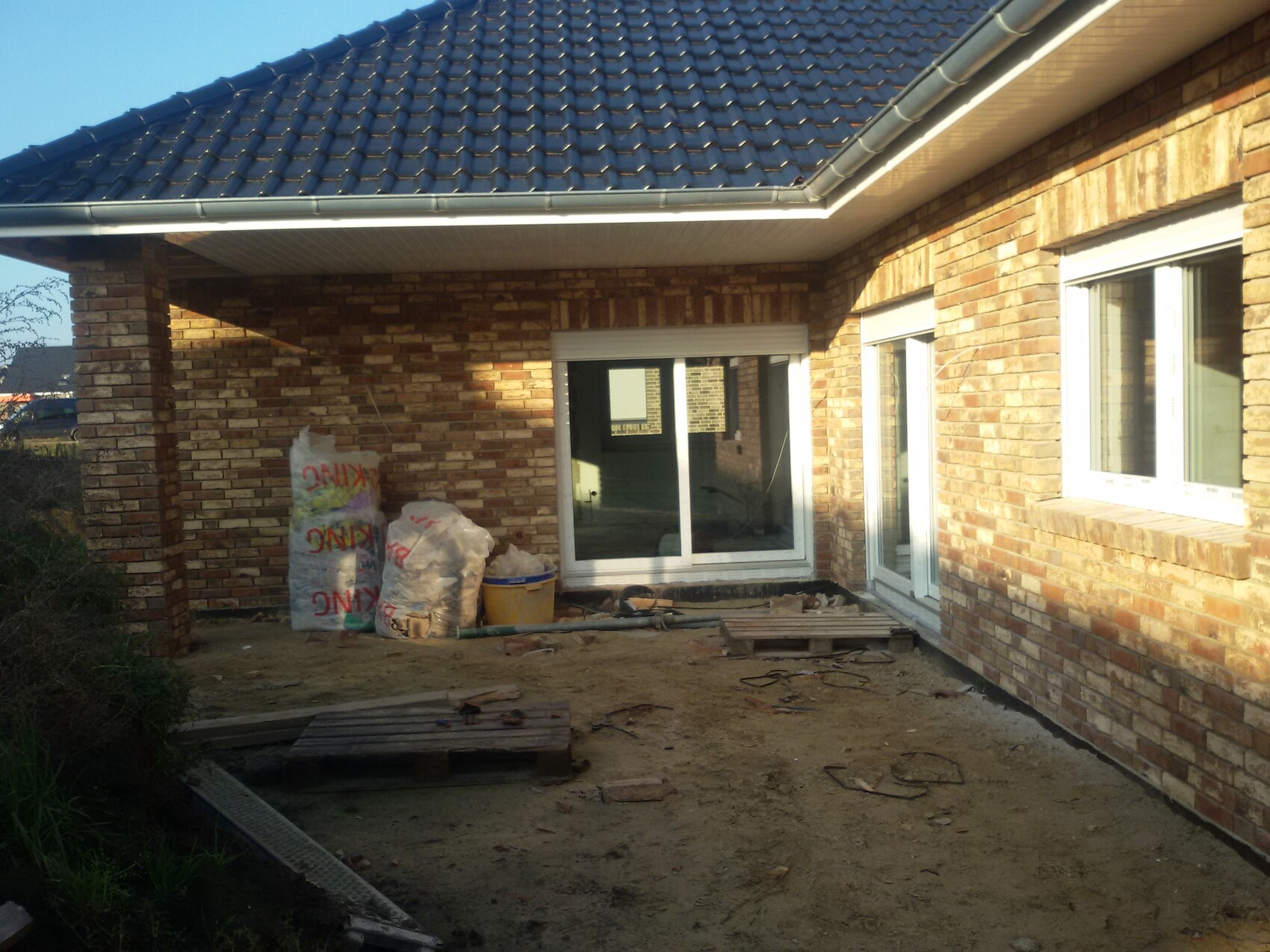
How should this dimple membrane be installed correctly?
Which side should face which way?
Is drainage necessary? Should gravel be placed below or above the drainage? What happens at the beginning and end of the drainage system? Should it be connected to the rainwater downpipe or…?
Geotextile fabric?
How have you done it? (maybe a sketch?)
Best regards
We have a bungalow with the following wall construction:
1. Sand-lime brick, bitumen coating, rigid foam insulation in the base area around windows and doors, otherwise mineral wool
2. Air gap
3. Facing brick with a double layer of bitumen membrane in the base area.
No basement; rainwater must infiltrate on the property (soil is sandy).
A dimple membrane is intended to protect the house wall from moisture coming from the ground (I am not using a gravel bed because the bungalow has a 50 cm (20 inches) roof overhang).
How should this dimple membrane be installed correctly?
Which side should face which way?
Is drainage necessary? Should gravel be placed below or above the drainage? What happens at the beginning and end of the drainage system? Should it be connected to the rainwater downpipe or…?
Geotextile fabric?
How have you done it? (maybe a sketch?)
Best regards
zizzi schrieb:
How should this dimpled membrane be installed correctly?
Which side should face out?
Is drainage necessary? Gravel below or above the drainage layer? What happens at the beginning and end of the drainage? Should it be connected to the rainwater pipe or …?
Geotextile fabric? 1) I’m not exactly sure.
2) Drainage is necessary.
3) It forms a loop with a flushing shaft, from which a pipe leads to the stormwater sewer system.
4) Yes, geotextile fabric. Gravel both above and below the drainage layer, then geotextile fabric on top of that, followed by pea gravel.
zizzi schrieb:
A dimple membrane is supposed to protect the house wall from moisture coming from the ground (I am skipping a gravel bed because the bungalow has a 50cm (20 inches) roof overhang).It will not. A dimple membrane is only intended to protect the insulation from mechanical damage. It does not provide protection against moisture. And a roof overhang has little to do with the moist soil around the house. Laughing, that would mean you would only need a splash guard on the west side. A splash guard is a type of drainage system that allows moisture in the soil (not rainwater) to drain more effectively into the ground around the house. Although soil moisture depends on rainfall, it is also influenced by other factors.
Dimple board, drainage, and splash protection are measures used to protect the foundation and masonry from water and moisture. These should be selected and combined depending on the specific situation. You can search for "How to protect buildings against groundwater and seepage water?"
For example, you will find that "drainage connection is not allowed if the basement is located in an area of groundwater flow."
In our case, the groundwater level is not high, and the soil is sandy and permeable. The excavation for the foundation was significantly larger than the foundation itself, the house has no basement, and it is properly waterproofed.
At the moment, I am not sure what is the most suitable solution for our situation. In our neighborhood, I don’t see any splash protection, but dimple boards are common. However, what others do is not necessarily the right approach.
For example, you will find that "drainage connection is not allowed if the basement is located in an area of groundwater flow."
In our case, the groundwater level is not high, and the soil is sandy and permeable. The excavation for the foundation was significantly larger than the foundation itself, the house has no basement, and it is properly waterproofed.
At the moment, I am not sure what is the most suitable solution for our situation. In our neighborhood, I don’t see any splash protection, but dimple boards are common. However, what others do is not necessarily the right approach.
zizzi schrieb:
The excavation for the foundation was done significantly larger than the foundation itself; the house has no basement and is properly waterproofed.Yes, that’s the right approach. Everything is fine and acceptable.
However, a dimpled membrane is only for protection against mechanical impact and could even be omitted.
ypg schrieb:
A dimpled membrane is only for mechanical protection and could even be omitted. Yes, I understand
Similar topics