
ᐅ Which type of flooring is best for the ground floor – experiences?
Created on: 7 Nov 2018 10:07
Z
Zaba12
Hello everyone,
My site manager called me yesterday regarding the basement, and the topic of the flooring on the ground floor came up again. He suggested that we might want to reconsider mixing both types of flooring, mainly because of the feeling of coldness but also for future renovations, especially in the living area.
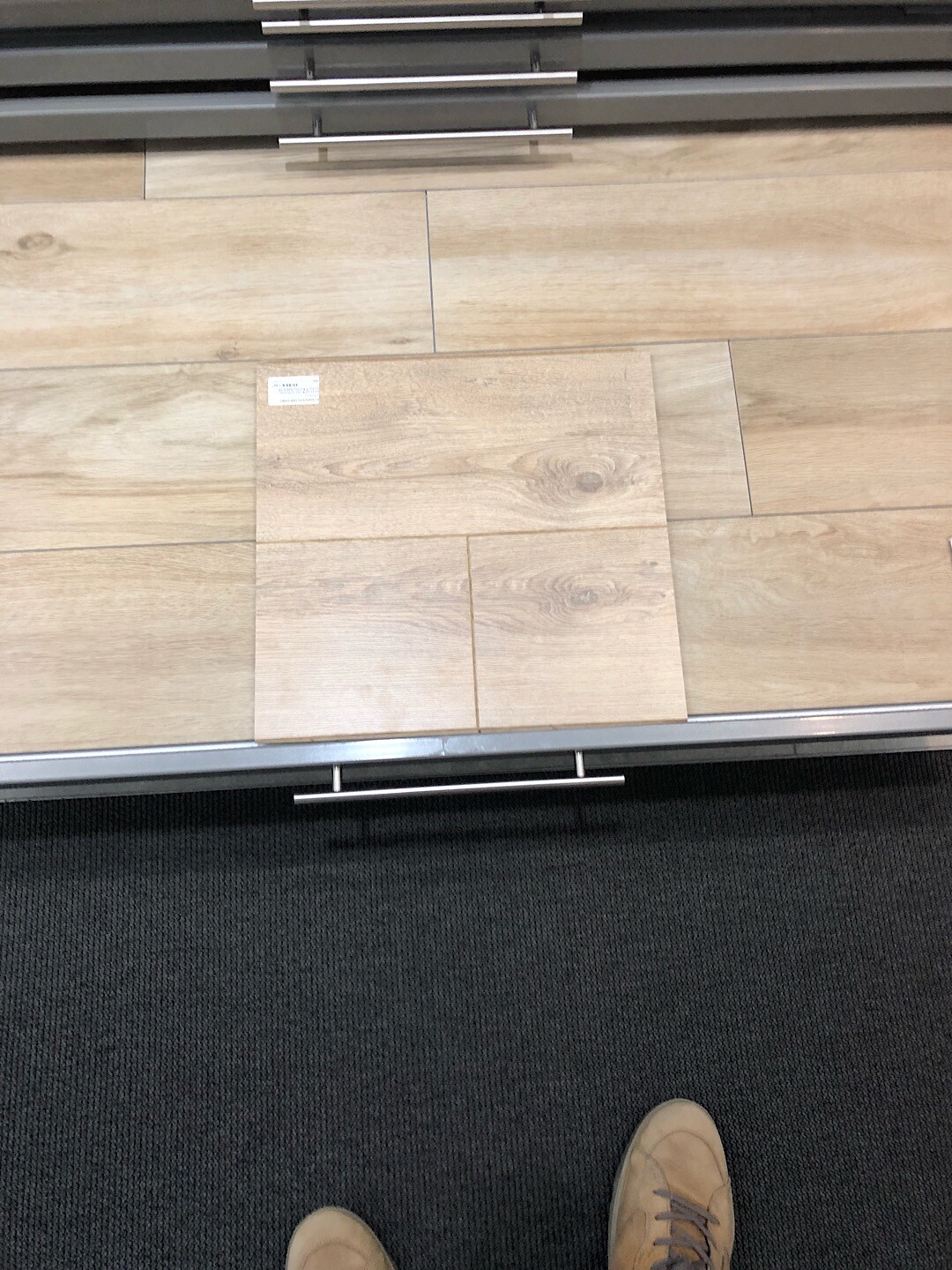
We originally planned to have wood-look tiles throughout the entire ground floor. Everything has already been selected. In the photo, the tile is shown at the bottom, and the laminate is placed on top.
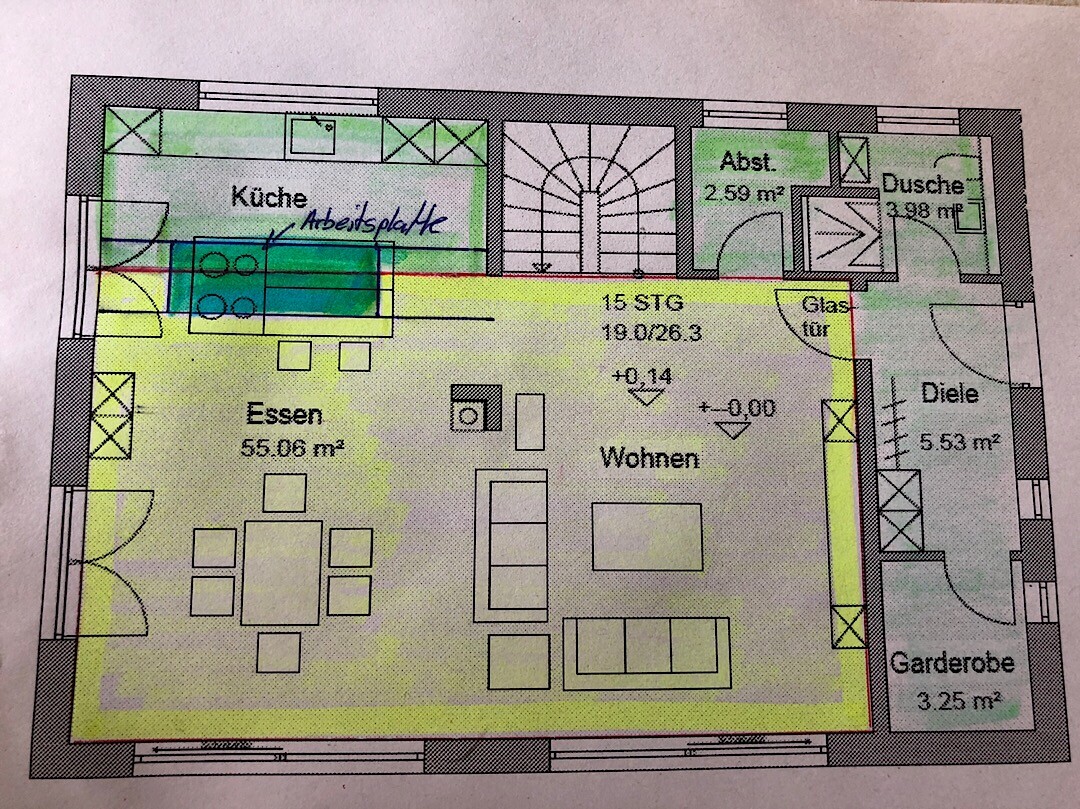
Now I have come up with the following idea. See the picture.
- Yellow is laminate
- Green is tile
- Blue is the island
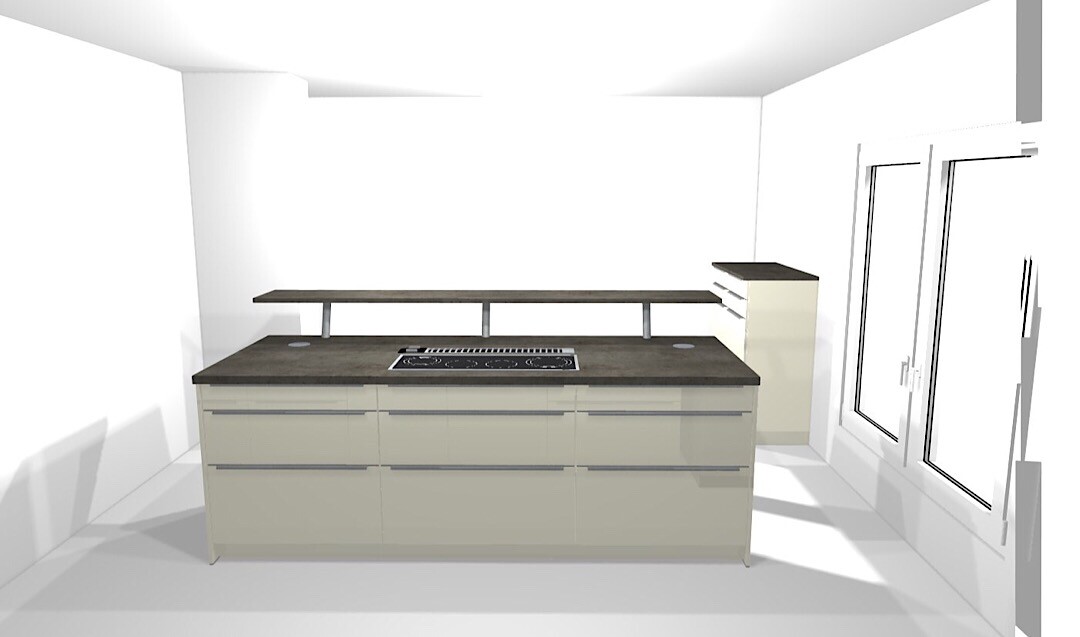
And yes, I have ordered the kitchen exactly as planned :-p
What is your opinion on this mixed approach?
My site manager called me yesterday regarding the basement, and the topic of the flooring on the ground floor came up again. He suggested that we might want to reconsider mixing both types of flooring, mainly because of the feeling of coldness but also for future renovations, especially in the living area.
We originally planned to have wood-look tiles throughout the entire ground floor. Everything has already been selected. In the photo, the tile is shown at the bottom, and the laminate is placed on top.
Now I have come up with the following idea. See the picture.
- Yellow is laminate
- Green is tile
- Blue is the island
And yes, I have ordered the kitchen exactly as planned :-p
What is your opinion on this mixed approach?
Lumpi_LE schrieb:
We also have a lot of wood-look tiles, which are excellent both in terms of feel and appearance. In the children’s/bedrooms, we have vinyl with a wood design... well, in hindsight, I would have preferred real hardwood flooring.Hopefully, we made the right choice by installing hardwood flooring in all the bedrooms.
We never liked vinyl. First, the texture, which feels plasticky; second, the uneasy feeling about potential harmful substances, even though every seller denies it; third, the imitation look, which often appears too artificial, especially when texture is added, which tends to make it look worse rather than better.
An advantage compared to hardwood: vinyl has always been sold to us as very durable, colorfast, resistant to sunlight, and water-resistant. My sister has vinyl, and she says there are already several dents and scratches.
Vinyl or luxury vinyl plank flooring seems to be quite a trend. At hardware stores, you mostly find vinyl alongside laminate flooring. Hardwood is hardly available there. However, specialized flooring retailers offer a different selection.
We have tiles throughout the entire living area and laminate flooring in the children’s rooms and the bedroom. The tiled floor with underfloor heating is noticeably warmer; we always wear socks indoors. We used to have parquet flooring in the living area—it looked nice, but was too delicate for my taste, so I wouldn’t choose it again. In a large room, I wouldn’t mix flooring types; it just doesn’t look good, especially when the floors look almost identical.
Best regards,
Sabine
Best regards,
Sabine
Experiences or personal opinions? What exactly did the original poster want again?
My experience isn’t just from my own home, but from many projects. Tiles in hallways where you sometimes walk with wet shoes, bathrooms, kitchens, work areas. Tiles are hard, durable, not prone to dents, very water-resistant, and an excellent heat conductor for underfloor heating. Do you want them in bedrooms, living rooms, and other living spaces? If not, as we didn’t, nothing beats glued vinyl for underfloor heating: excellent heat conduction, wide range of appearances, very durable. Choose a 0.3 mm (0.01 inch) wear layer, which is more than enough for living areas; our offices have 0.5 mm (0.02 inch), but that’s over the top for home use. Wood is not suitable for underfloor heating. Wood is insulating, with a lot of air inside, but I want to conduct heat, not insulate it. There may be suitable engineered woods, meaning layered glued wood, but nothing is as conductive as vinyl or tile. K.
My experience isn’t just from my own home, but from many projects. Tiles in hallways where you sometimes walk with wet shoes, bathrooms, kitchens, work areas. Tiles are hard, durable, not prone to dents, very water-resistant, and an excellent heat conductor for underfloor heating. Do you want them in bedrooms, living rooms, and other living spaces? If not, as we didn’t, nothing beats glued vinyl for underfloor heating: excellent heat conduction, wide range of appearances, very durable. Choose a 0.3 mm (0.01 inch) wear layer, which is more than enough for living areas; our offices have 0.5 mm (0.02 inch), but that’s over the top for home use. Wood is not suitable for underfloor heating. Wood is insulating, with a lot of air inside, but I want to conduct heat, not insulate it. There may be suitable engineered woods, meaning layered glued wood, but nothing is as conductive as vinyl or tile. K.

Similar topics