
ᐅ Roof window fogs up heavily, and water collects in the edges.
Created on: 22 Oct 2018 11:00
H
hippjohaHello everyone,
unfortunately, we are having significant problems with our skylight. It started last winter when the temperatures dropped. Every morning, the window was heavily fogged up (the entire glass was soaking wet).
Since a few days ago (now that it’s getting cold outside again), it has started happening again. After winter, the site manager came by and, of course, said we were not ventilating properly, etc.
The apartment is aired out several times a day...
I’ve attached a few pictures that hopefully illustrate the issue. Could this really be caused by improper ventilation (the humidity in the room is around 50%) or is it more likely caused by a defect in the skylight or its seal?
Thank you very much
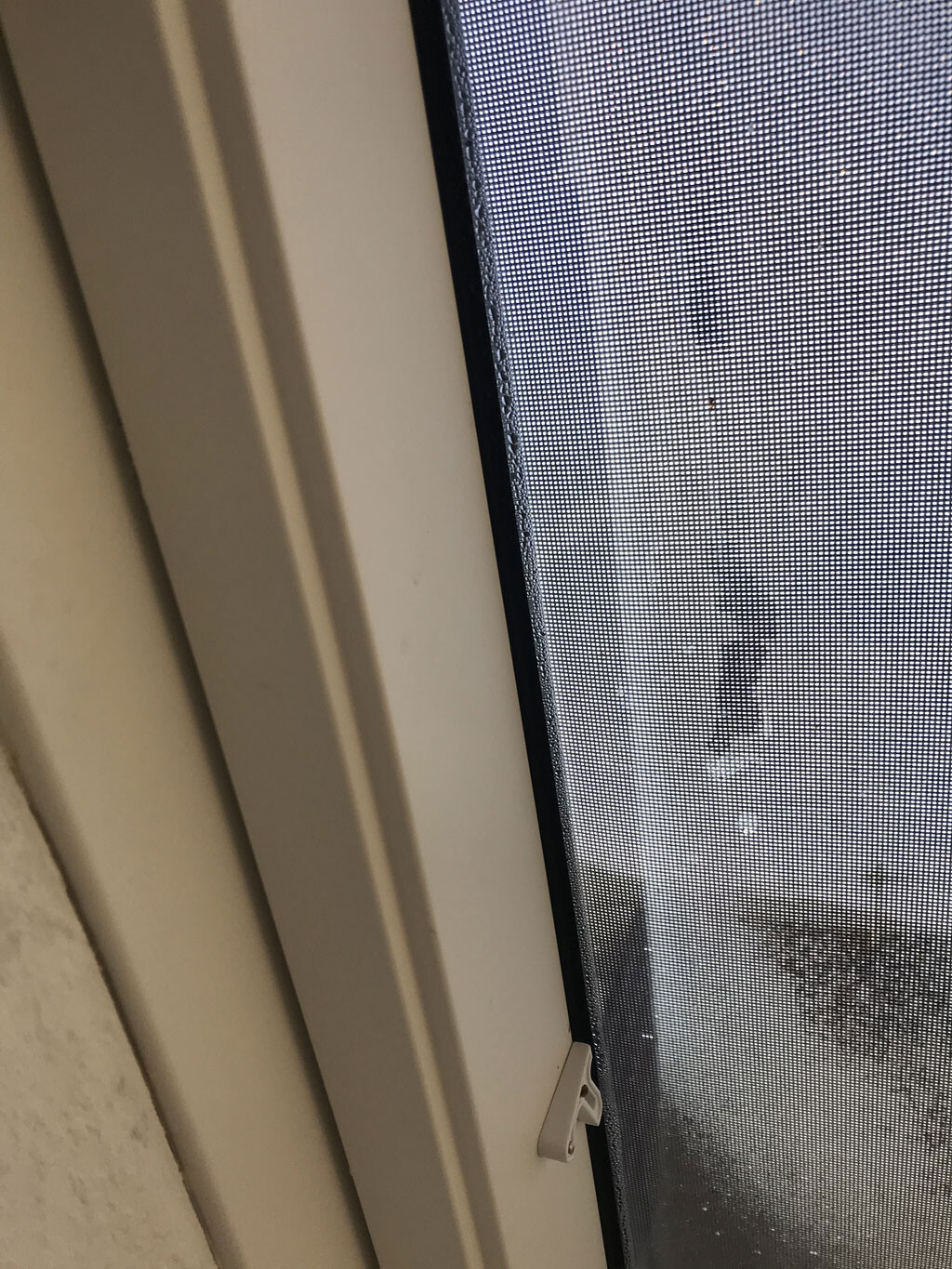
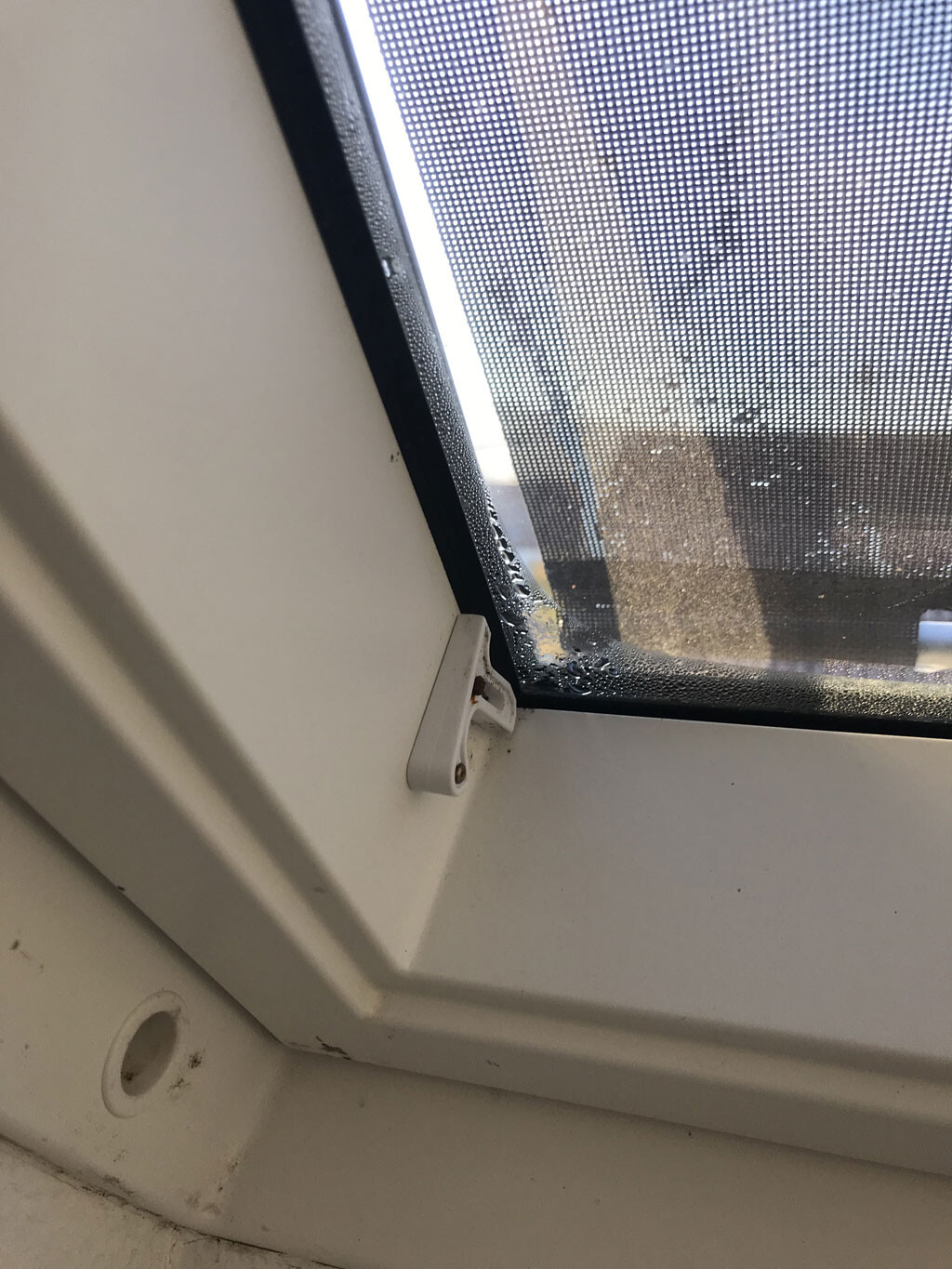
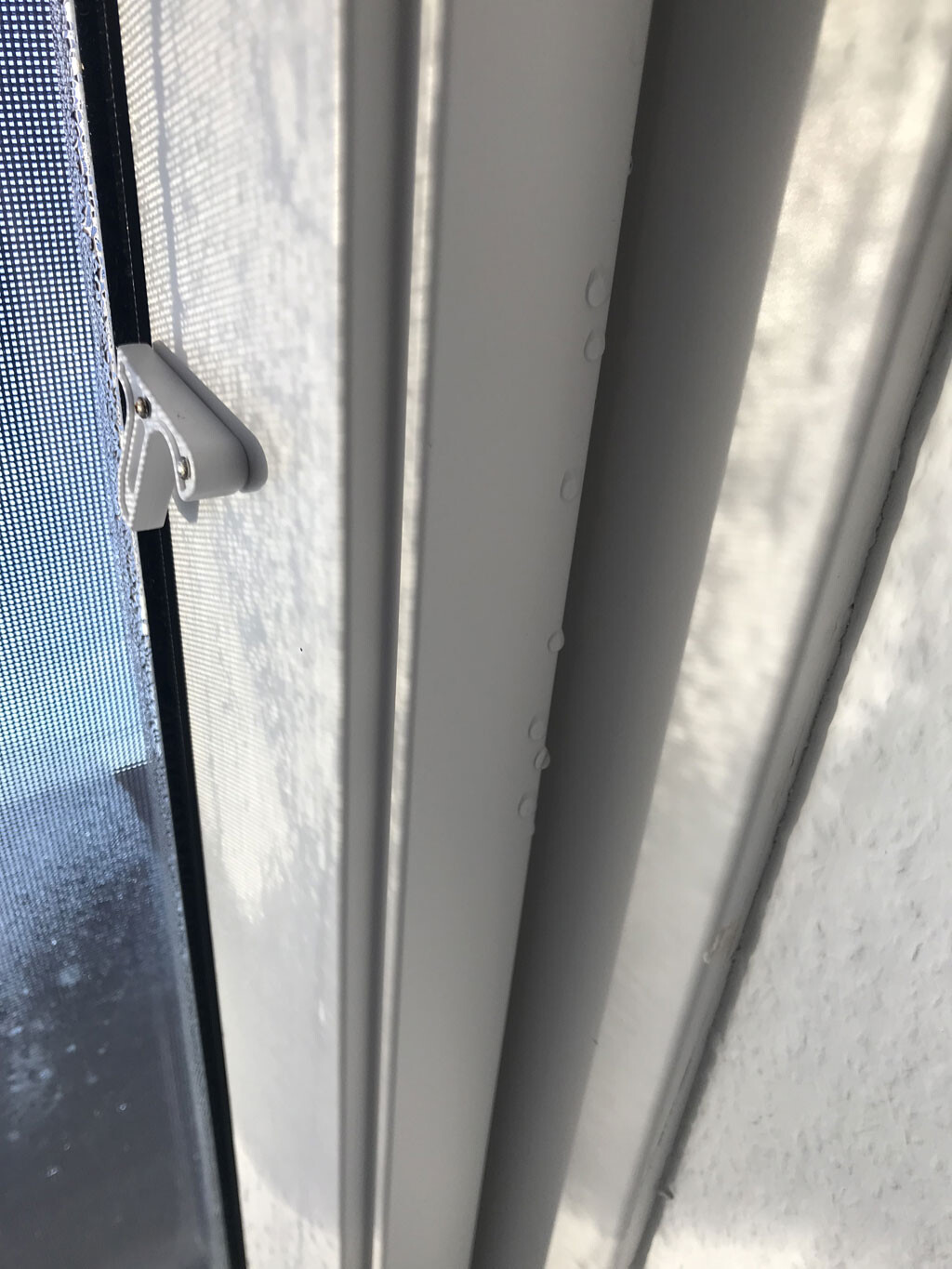
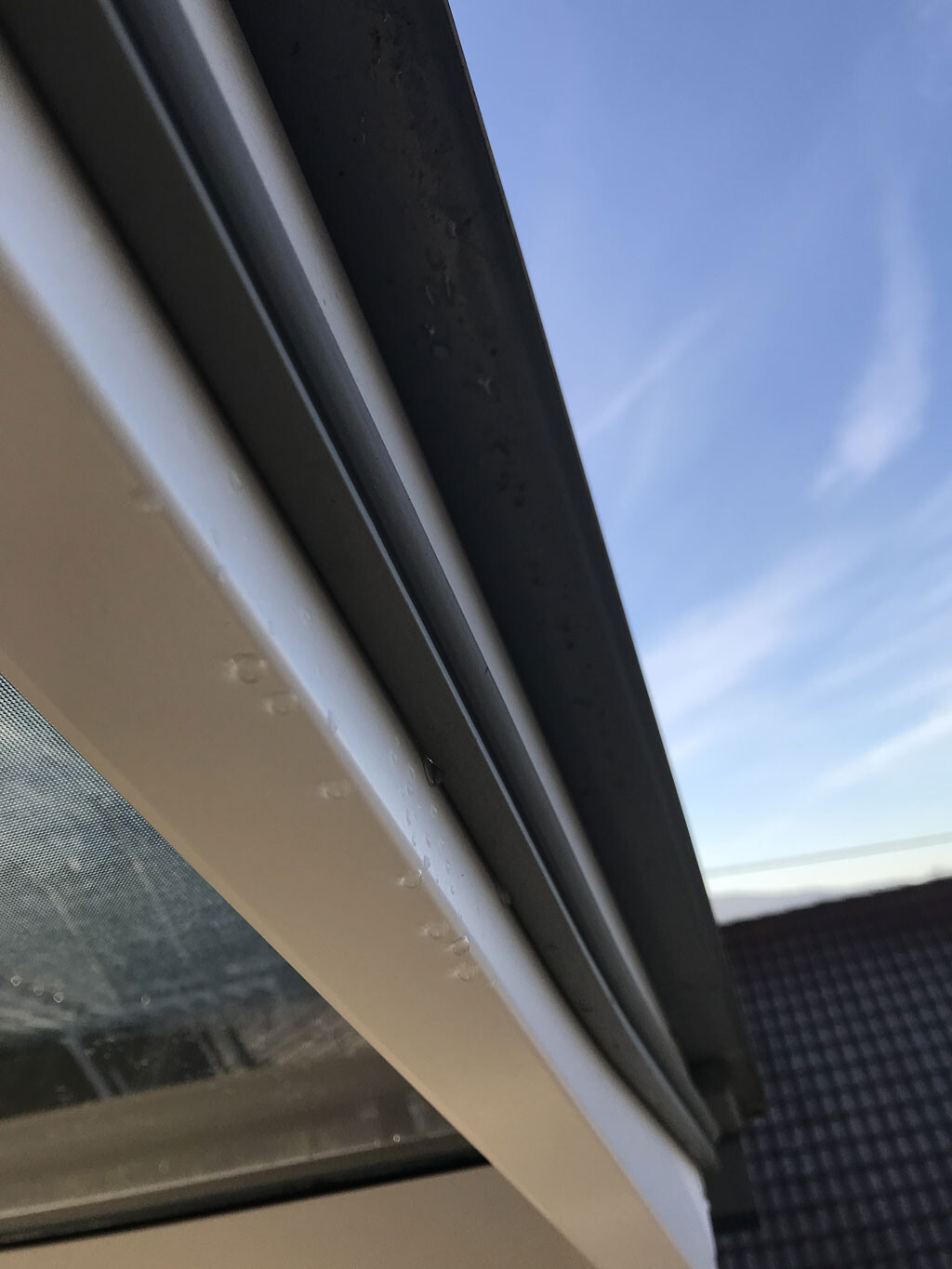
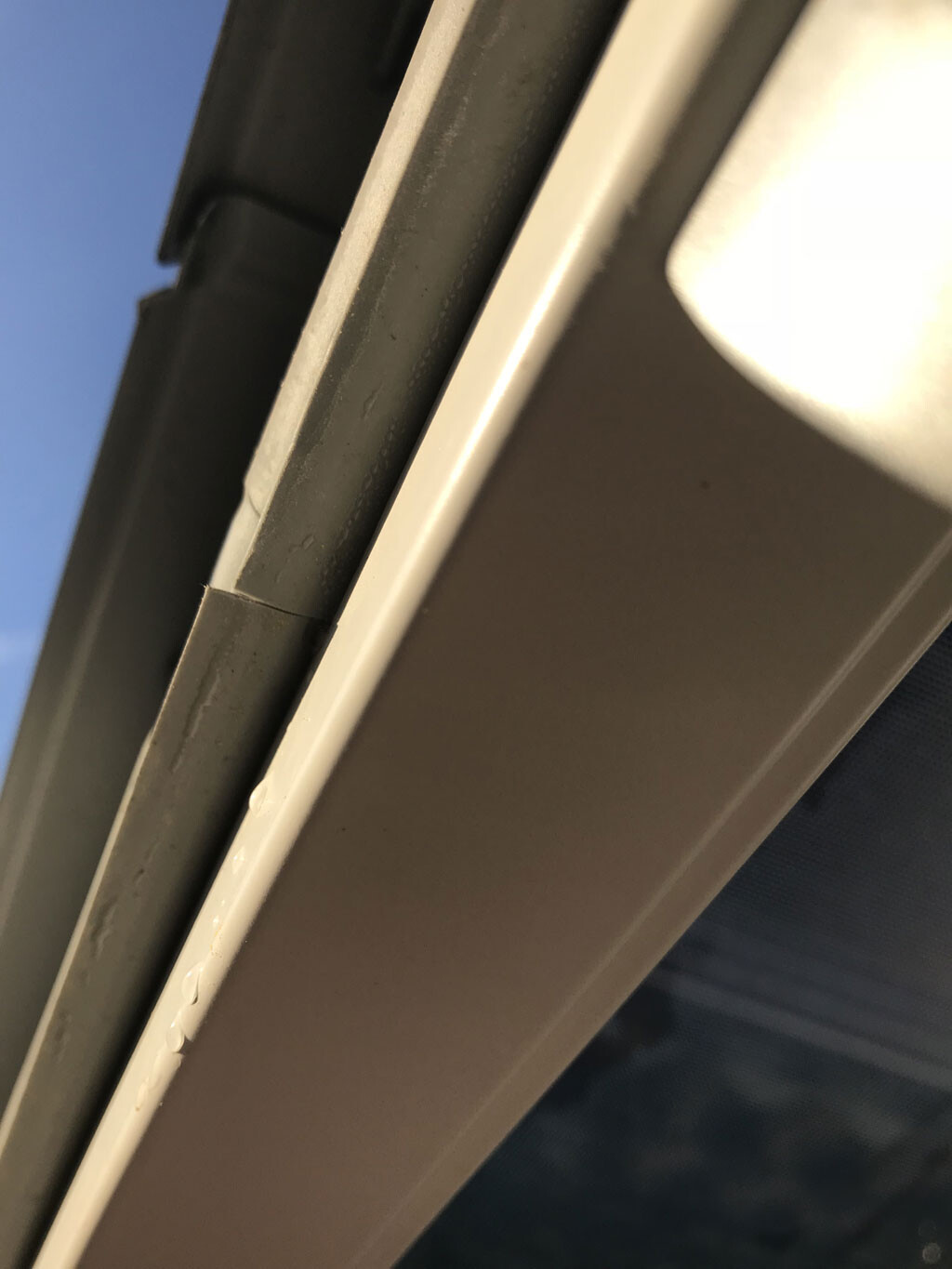
unfortunately, we are having significant problems with our skylight. It started last winter when the temperatures dropped. Every morning, the window was heavily fogged up (the entire glass was soaking wet).
Since a few days ago (now that it’s getting cold outside again), it has started happening again. After winter, the site manager came by and, of course, said we were not ventilating properly, etc.
The apartment is aired out several times a day...
I’ve attached a few pictures that hopefully illustrate the issue. Could this really be caused by improper ventilation (the humidity in the room is around 50%) or is it more likely caused by a defect in the skylight or its seal?
Thank you very much
M
Mottenhausen22 Oct 2018 11:17I'll bet the vapor barrier on the window frame was not properly connected to the vapor barrier under the roof, and the reveals were not properly insulated—just some leftover insulation stuffed in and then drywall installed.
We had the same situation in our rental apartment. Then everything was opened up, the vapor barriers were professionally joined, insulated correctly, and since then there have been no issues.
This spot is currently the coldest point in your apartment, so all the indoor moisture is condensing there.
We had the same situation in our rental apartment. Then everything was opened up, the vapor barriers were professionally joined, insulated correctly, and since then there have been no issues.
This spot is currently the coldest point in your apartment, so all the indoor moisture is condensing there.
Mottenhausen schrieb:
I bet I wouldn’t rely solely on the pictures. With 50% indoor humidity, there should be little to no moisture present at the current glazing and frame. Especially the water droplets so far inside on the frame suggest air leaks. It might just be a matter of window adjustment. If the reveal is not insulated, moisture should mainly accumulate there. Are the reveals, where the wallpaper is applied, dry and warm?
A missing connection of the vapor barrier on the slope to the window alone would rather cause moisture accumulation in the insulation, not on the frame. For air to pass through there, the connection to the underlay membrane on the outside must also be faulty. This can be easily checked by uncovering the tiles in the affected area. If there is no connection, you can gently move the insulation aside and check the vapor barrier’s condition.
In general, a classic candle test can be done—or a less invasive method for sloped components using an ultrasonic humidifier to see if there is any airflow.
Hello, thank you very much for your quick responses.
They appear dry for the most part. Only the spots where water runs down from the frame are damp.
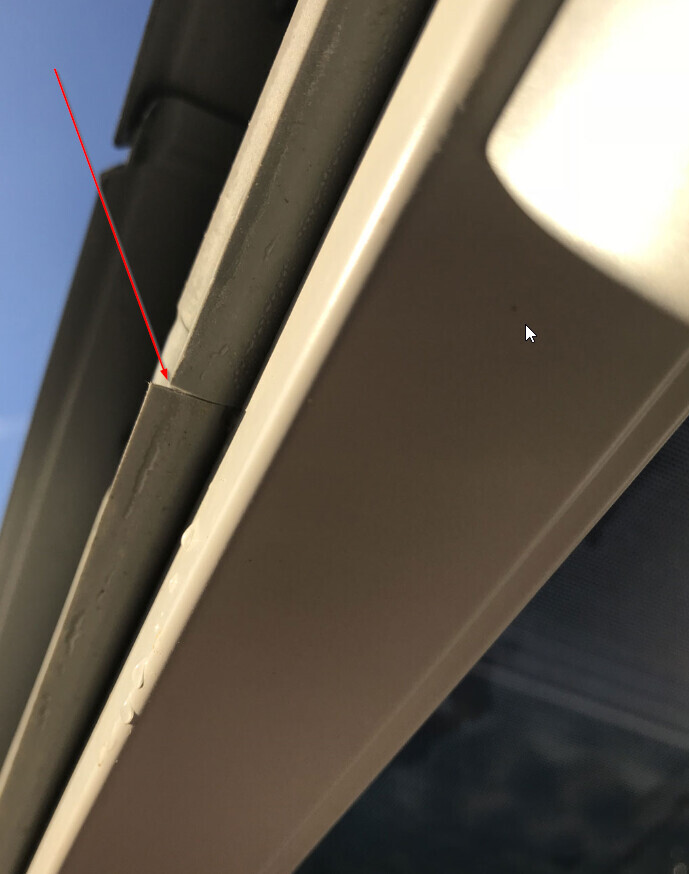
I will try that this evening. I just don’t want to bring the candle too close to the frame, and unfortunately, we don’t have a humidifier here. So, do you mean that there might be an issue with the seal? Is it normal for the seal not to be continuous? It looks like water is penetrating where the seal ends (I have marked it in the attachment).
dertill schrieb:
Are the reveals, meaning the areas where the wallpaper is applied, dry and warm?
They appear dry for the most part. Only the spots where water runs down from the frame are damp.
dertill schrieb:
In general, you can also do the classic candle test
I will try that this evening. I just don’t want to bring the candle too close to the frame, and unfortunately, we don’t have a humidifier here. So, do you mean that there might be an issue with the seal? Is it normal for the seal not to be continuous? It looks like water is penetrating where the seal ends (I have marked it in the attachment).
M
Mottenhausen22 Oct 2018 23:12I don’t believe that. With drafts, warm indoor air escapes through the roof area, which acts like forced ventilation and actually reduces condensation. Besides, the window as a construction element is fine as it comes from the factory. If there were issues, the seals would have to have been damaged during installation or the window somehow stressed at an angle during transport, causing it to warp into a parallelogram shape. That seems unlikely.
The missing insulation cools down the window opening along with the window itself. Glass and plastic promote condensation due to their smooth surfaces. The reveal usually collects the droplets and quickly starts to look unattractive. Let’s see what the original poster says about the airtightness (using something like an incense stick or cigarette can help reveal even slight air movements), but I suspect the issue mentioned above is the cause.
The missing insulation cools down the window opening along with the window itself. Glass and plastic promote condensation due to their smooth surfaces. The reveal usually collects the droplets and quickly starts to look unattractive. Let’s see what the original poster says about the airtightness (using something like an incense stick or cigarette can help reveal even slight air movements), but I suspect the issue mentioned above is the cause.
Mottenhausen schrieb:
Also, the window as a building unit is fine as it comes from the factory.Not always. 🙂 But some window manufacturers do manage to mess up brand-new parts quite well.
I hadn’t considered drafts as exhaust air in the roof situation, that’s possible. I didn’t mean to say your point is wrong, just that there can be other causes as well, and maybe it’s better to start with simple inspections before dismantling the wall.
The segmented window seal doesn’t look great, but the seal has to end and start somewhere. Normally, it overlaps diagonally and is glued. The main purpose of the seal is to create airtightness between the frame and sash, and if moisture appears even in dry weather, the water can’t be coming from outside. Especially since there should be a continuous metal edge above, preventing rain from reaching that spot, so no water should be standing outside at the shown area.
So if condensation mainly occurs at this location and, for example, not on the opposite side, I would first check here for draft effects.
Similar topics