
ᐅ 160 m² single-family house with timber frame construction on a north-facing slope, including a basement
Created on: 26 Aug 2018 17:03
L
Lbx
Hello,
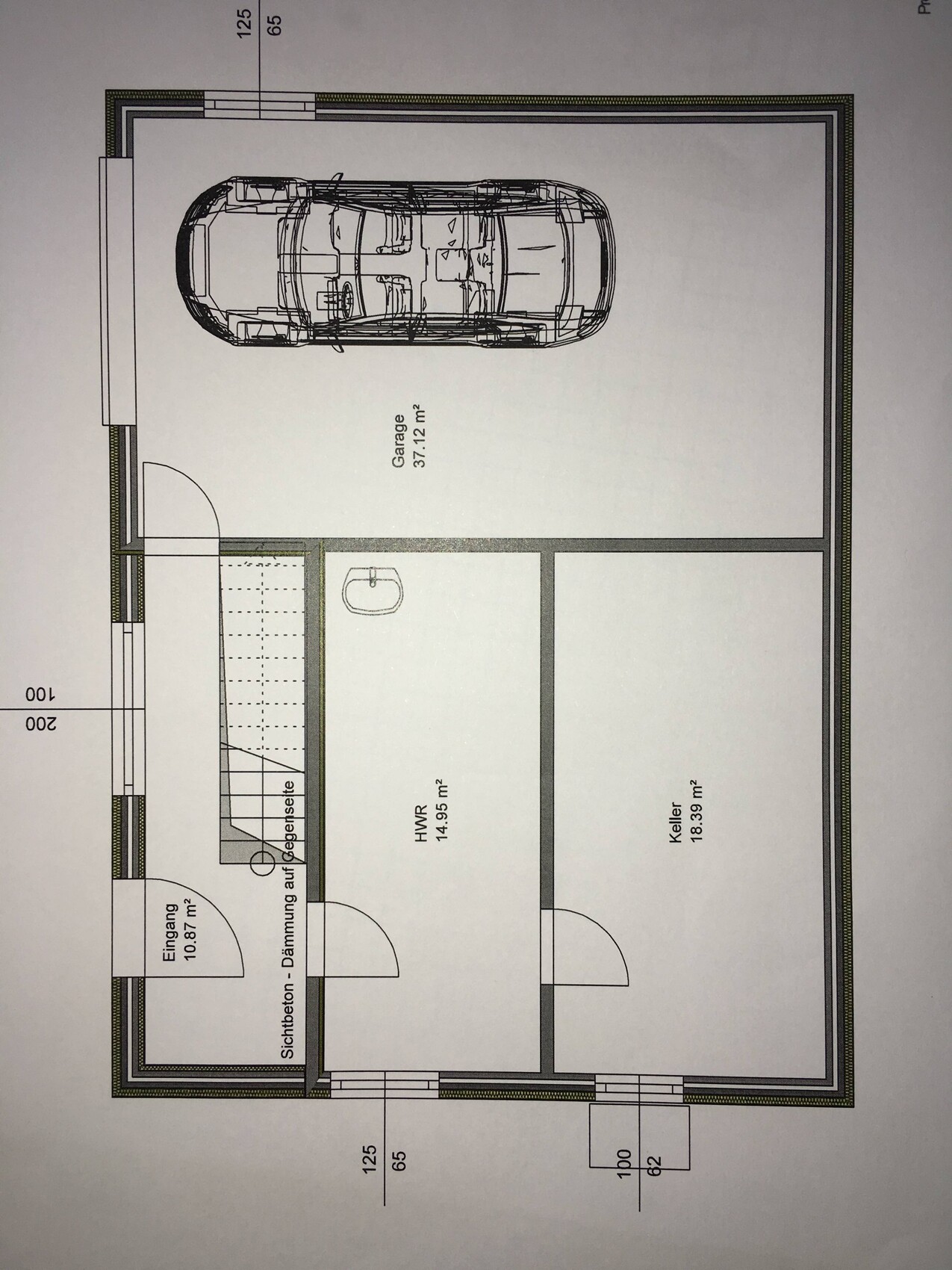
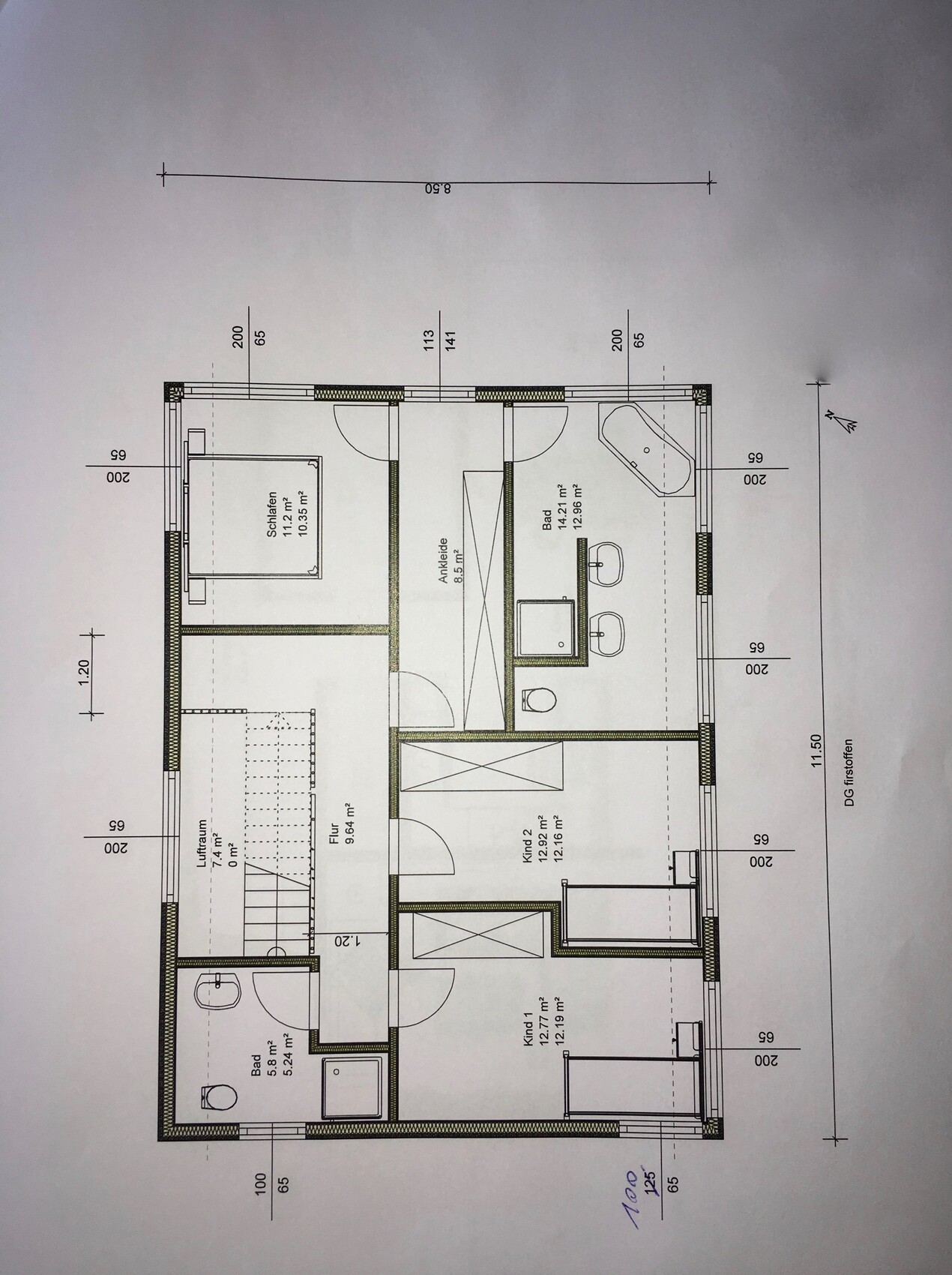
below you will find our (almost) final floor plan. Only a few adjustments and changes to the windows are still being made. We would appreciate your feedback.
Development Plan / Restrictions
Construction according to Paragraph 34 of the Building Code. Neighboring buildings are 1.5 to 2 stories with pitched roofs.
Plot Size
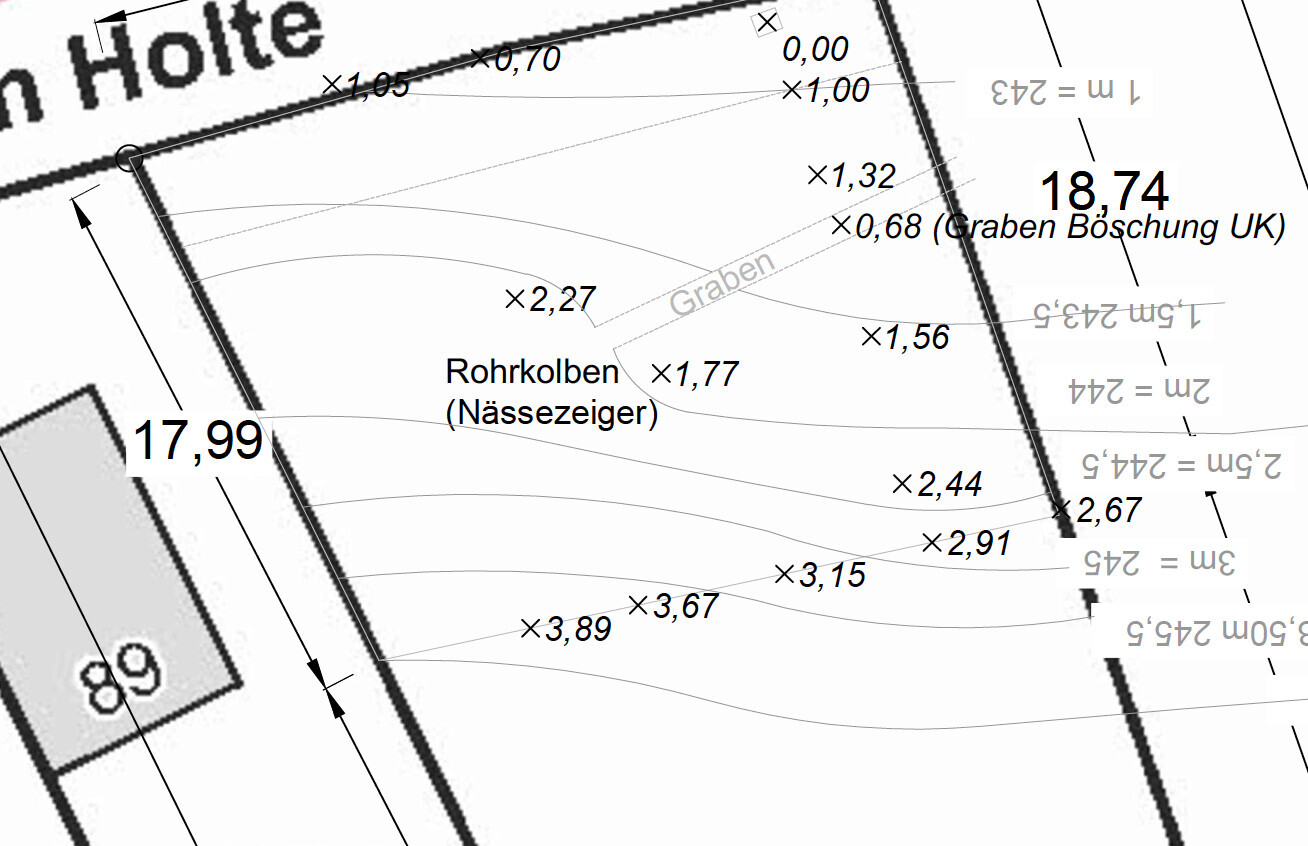
3000m2 (approximately 0.74 acres), building area around 600m2 (0.15 acres) along the street
Slope
Approximately 2m (6.6 feet) diagonal incline where the house will be located, rising from southwest to northeast
Orientation
South (uphill side)
Client Requirements: Style, Roof Type, Building Type
Single-family house, pitched roof (most cost-effective), rather open design
Basement, Floors
Full basement + 2 floors
Number of Occupants, Age
2 adults + 2 children (planned)
Room Requirements on Ground Floor and Upper Floor
Open kitchen + dining area + living room, pantry, study, guest WC, parents’ area (bedroom, walk-in closet, bathroom), children’s area (2 bedrooms + bathroom), garage, utility room, storage room
Office: Family use or home office?
Family use + emergency children’s bedroom
Overnight Guests per Year
1-2
Open or Closed Architecture
Rather open
Conservative or Modern Building Style
Rather modern
Open Kitchen, Kitchen Island
Open kitchen, island not necessary
Number of Dining Seats
6
Fireplace
No
Music / Stereo Wall
5.1 surround, approx. 3 meters (10 feet) for TV, etc.
Balcony, Roof Terrace
No
Garage, Carport
In the basement
House Design
Who Created the Plan:
Floor plan from a construction company, modified according to our wishes by the planner of a prefab house company (structural engineer)
What Do You Like Especially? Why?
- Separate parents’ area
- Open design with living room accessible from two sides
- Staircase on the north side, where the street is
- Garage inside the house
- Large windows facing south
- Living room + kitchen + dining areas facing south
- Open ridge ceiling on the upper floor
What Do You Dislike? Why?
- Low, small windows on the upper floor due to the 1.8m (5.9 feet) knee wall height – we will probably raise this to 2.10m (6.9 feet)
- Boring exterior appearance
- Small study room, but currently the best compromise for us
- Kitchen windows not floor-to-ceiling, will be changed
- Possibly too few windows
Cost Estimate from Architect / Planner:
Approximately 400,000 Euro turnkey, including photovoltaic system and natural fiber insulation (ecological) fixed-price offer including basement, electric garage door, etc.
Laminate flooring
External roller blinds in living/kitchen/dining areas
No controlled mechanical ventilation.
No waterproof concrete basement (no “white tank” system).
Personal Price Limit for the House, Including Equipment:
House including all ancillary costs 470,000 Euro
Preferred Heating Technology:
Air-to-water heat pump + photovoltaic system
If You Had to Cut Back, Which Details / Extensions Could You Forgo:
Basement, but due to the slope it does not make much economic sense. Otherwise, we have already cut back as much as we can imagine.
Why Does the Design Look Like It Does Now?
We liked the design from the start, especially the south orientation of all main rooms suits the plot very well.
What Is the Most Important / Basic Question About the Floor Plan in 130 Characters or Less?
1. From what knee wall height do windows including rolling shutters below the knee wall really make sense? At 1.8m (5.9 feet) knee wall, windows would be at hip height, which is not a solution for us. For example, in the children’s room, a desk should fit underneath.
2. According to the soil report, we have about 1m (3.3 feet) of soil class 4 and below that soil class 5-6. What costs could be expected for earthworks on a sloped site?
3. Do you think a mechanical ventilation system is essential in a timber frame house? According to two reputable prefab house providers, it is mostly unnecessary and mainly important only for allergy sufferers.
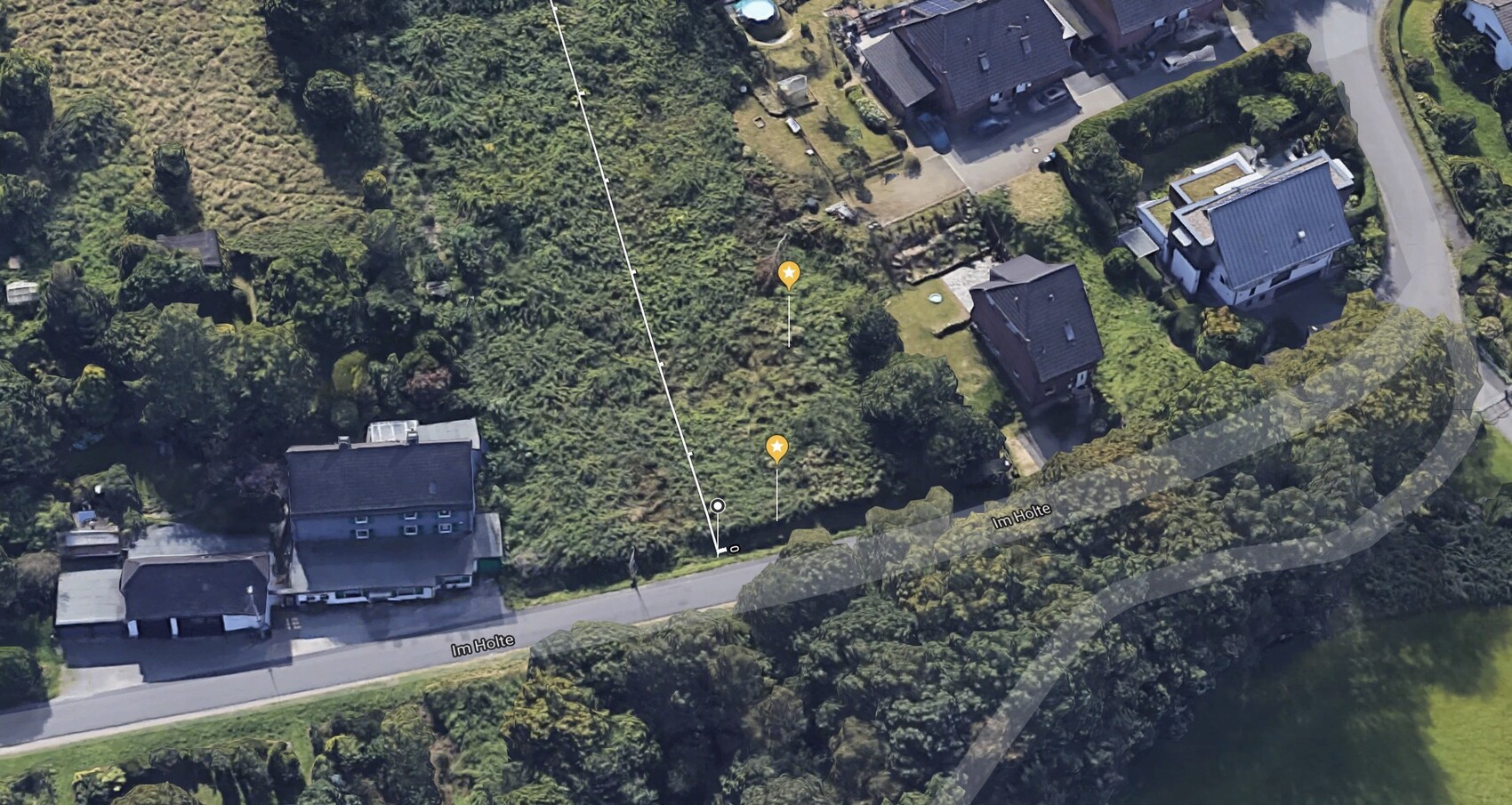
A small note on the attached files: in the Google Maps image, south is at the top and the plot is where the two yellow markers are. In the views, I sketched around a bit unfortunately.
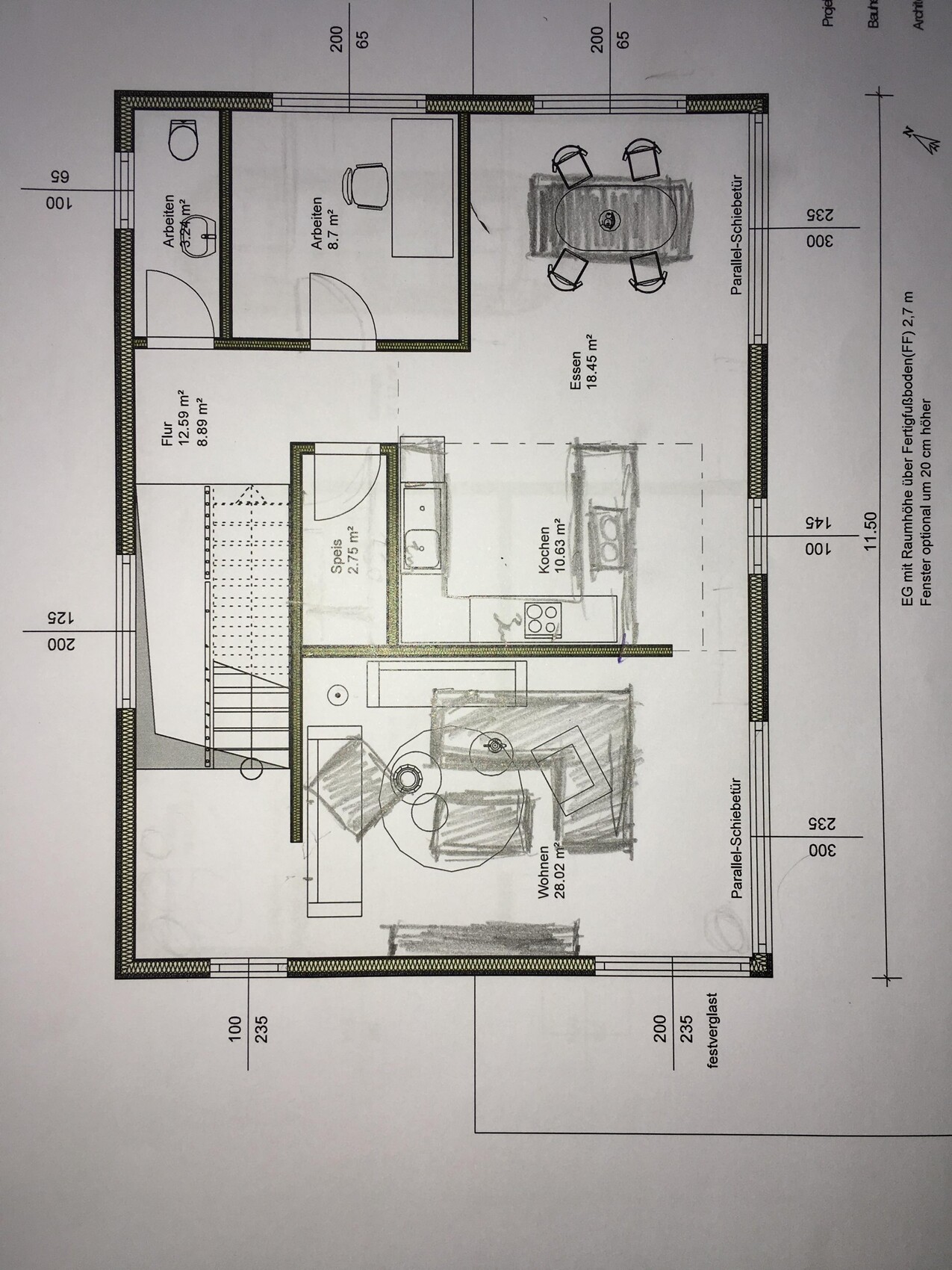
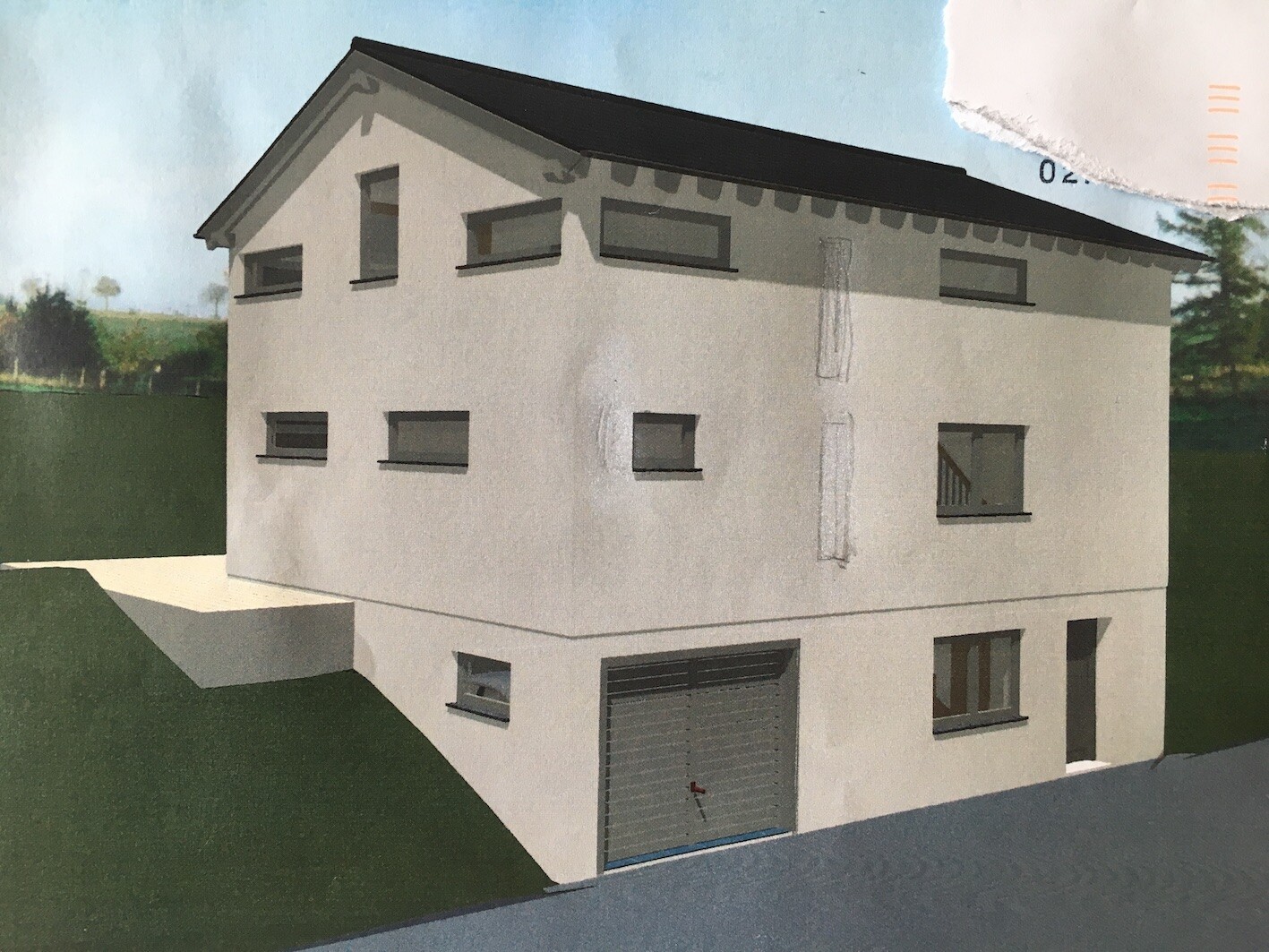
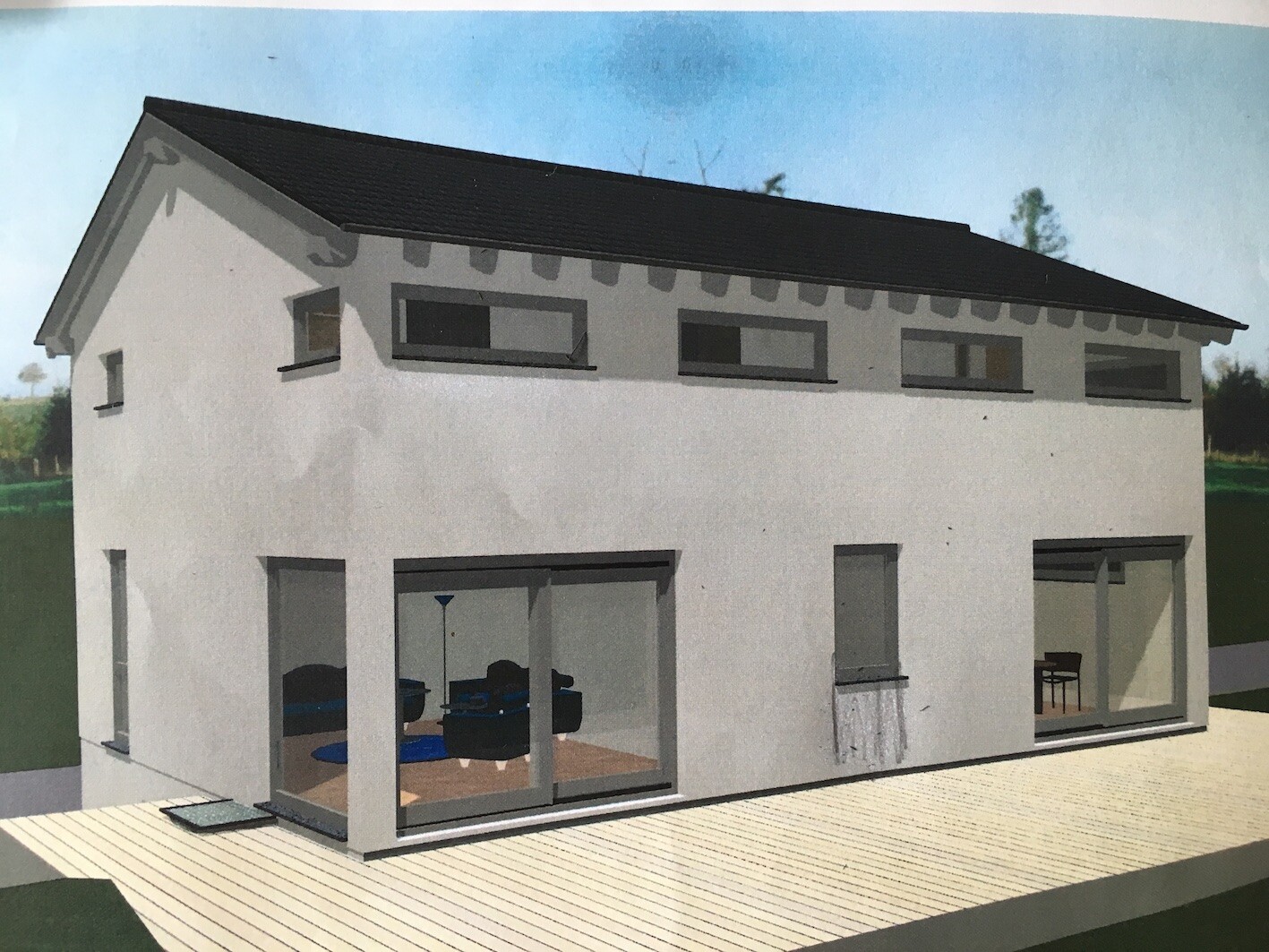
below you will find our (almost) final floor plan. Only a few adjustments and changes to the windows are still being made. We would appreciate your feedback.
Development Plan / Restrictions
Construction according to Paragraph 34 of the Building Code. Neighboring buildings are 1.5 to 2 stories with pitched roofs.
Plot Size
3000m2 (approximately 0.74 acres), building area around 600m2 (0.15 acres) along the street
Slope
Approximately 2m (6.6 feet) diagonal incline where the house will be located, rising from southwest to northeast
Orientation
South (uphill side)
Client Requirements: Style, Roof Type, Building Type
Single-family house, pitched roof (most cost-effective), rather open design
Basement, Floors
Full basement + 2 floors
Number of Occupants, Age
2 adults + 2 children (planned)
Room Requirements on Ground Floor and Upper Floor
Open kitchen + dining area + living room, pantry, study, guest WC, parents’ area (bedroom, walk-in closet, bathroom), children’s area (2 bedrooms + bathroom), garage, utility room, storage room
Office: Family use or home office?
Family use + emergency children’s bedroom
Overnight Guests per Year
1-2
Open or Closed Architecture
Rather open
Conservative or Modern Building Style
Rather modern
Open Kitchen, Kitchen Island
Open kitchen, island not necessary
Number of Dining Seats
6
Fireplace
No
Music / Stereo Wall
5.1 surround, approx. 3 meters (10 feet) for TV, etc.
Balcony, Roof Terrace
No
Garage, Carport
In the basement
House Design
Who Created the Plan:
Floor plan from a construction company, modified according to our wishes by the planner of a prefab house company (structural engineer)
What Do You Like Especially? Why?
- Separate parents’ area
- Open design with living room accessible from two sides
- Staircase on the north side, where the street is
- Garage inside the house
- Large windows facing south
- Living room + kitchen + dining areas facing south
- Open ridge ceiling on the upper floor
What Do You Dislike? Why?
- Low, small windows on the upper floor due to the 1.8m (5.9 feet) knee wall height – we will probably raise this to 2.10m (6.9 feet)
- Boring exterior appearance
- Small study room, but currently the best compromise for us
- Kitchen windows not floor-to-ceiling, will be changed
- Possibly too few windows
Cost Estimate from Architect / Planner:
Approximately 400,000 Euro turnkey, including photovoltaic system and natural fiber insulation (ecological) fixed-price offer including basement, electric garage door, etc.
Laminate flooring
External roller blinds in living/kitchen/dining areas
No controlled mechanical ventilation.
No waterproof concrete basement (no “white tank” system).
Personal Price Limit for the House, Including Equipment:
House including all ancillary costs 470,000 Euro
Preferred Heating Technology:
Air-to-water heat pump + photovoltaic system
If You Had to Cut Back, Which Details / Extensions Could You Forgo:
Basement, but due to the slope it does not make much economic sense. Otherwise, we have already cut back as much as we can imagine.
Why Does the Design Look Like It Does Now?
We liked the design from the start, especially the south orientation of all main rooms suits the plot very well.
What Is the Most Important / Basic Question About the Floor Plan in 130 Characters or Less?
1. From what knee wall height do windows including rolling shutters below the knee wall really make sense? At 1.8m (5.9 feet) knee wall, windows would be at hip height, which is not a solution for us. For example, in the children’s room, a desk should fit underneath.
2. According to the soil report, we have about 1m (3.3 feet) of soil class 4 and below that soil class 5-6. What costs could be expected for earthworks on a sloped site?
3. Do you think a mechanical ventilation system is essential in a timber frame house? According to two reputable prefab house providers, it is mostly unnecessary and mainly important only for allergy sufferers.
A small note on the attached files: in the Google Maps image, south is at the top and the plot is where the two yellow markers are. In the views, I sketched around a bit unfortunately.
We have filters installed to prevent the pipes from getting dirty. The contamination issue should now be resolved.
You can also ventilate at any time with a mechanical ventilation system with heat recovery. Anything else would be a nightmare.
The ventilation system you like must be installed by Nordlys.
It’s best to ask around—neighbors, colleagues, sports clubs, etc.—to find out who they built with and what their experiences have been.
I can easily imagine that a general contractor building with masonry would construct a house that meets the energy saving regulations—not a stripped-down KfW 55 standard—and that they would have no problem using the basement as living space. Timber frame builders just put a standard, off-the-shelf house on top, or come up with ideas like positioning the house 1 meter (3 feet) in front of the retaining wall (which was suggested to us). You should build in a way that minimizes excavation as much as possible.
You can also ventilate at any time with a mechanical ventilation system with heat recovery. Anything else would be a nightmare.
The ventilation system you like must be installed by Nordlys.
It’s best to ask around—neighbors, colleagues, sports clubs, etc.—to find out who they built with and what their experiences have been.
I can easily imagine that a general contractor building with masonry would construct a house that meets the energy saving regulations—not a stripped-down KfW 55 standard—and that they would have no problem using the basement as living space. Timber frame builders just put a standard, off-the-shelf house on top, or come up with ideas like positioning the house 1 meter (3 feet) in front of the retaining wall (which was suggested to us). You should build in a way that minimizes excavation as much as possible.

Lbx schrieb:
Nobody can convince me that these things can be properly cleaned. It would definitely be interesting to see if there are any statistics on the market share of controlled residential ventilation systems among home builders who work professionally as bar system cleaners.
https://www.instagram.com/11antgmxde/
https://www.linkedin.com/company/bauen-jetzt/
Lbx schrieb:
An architect we spoke with recommended trickle vents in the windows as the air intake plus decentralized exhaust ventilation in the bathrooms/kitchen.You are building a new house where uncontrolled ventilation losses should be minimized as much as possible. That’s why a blower door test is carried out to detect leaks, and windows with triple sealing layers are installed.
And then you put a gap in the window frame/seal, causing more uncontrolled air exchange without heat recovery?
Furthermore, window frame trickle vents are only meant to ensure the air exchange necessary for moisture protection when such ventilation is not otherwise provided. Under normal use—when someone is at home—ventilation is still required.
So you ensure a minimum airflow that usually happens anyway, plus uncontrolled heat loss and the risk of drafts. Great devices.
If you don’t want a central ventilation system but still want proper ventilation, use decentralized units with heat recovery. One in the living/dining area, one in the bathroom, and one each in the bedrooms and children’s rooms.
So far, everyone has told me that heat recovery ventilation is not cost-effective. I understand the argument that trickle vents in windows create holes in an otherwise airtight wall, but I don’t find this very relevant. By that logic, you shouldn’t ventilate at all.
Filters in a mechanical ventilation with heat recovery system may help against larger particles, but they definitely do not prevent biofilm formation from various bacteria... I don’t want that. The ducts are permanently installed and cannot be replaced.
At the moment, we are considering a complete redesign by moving the children’s rooms and bathroom to the basement, rearranging the ground floor layout, and building the top floor with no knee wall and a steep pitched roof for the parents’ area.
Filters in a mechanical ventilation with heat recovery system may help against larger particles, but they definitely do not prevent biofilm formation from various bacteria... I don’t want that. The ducts are permanently installed and cannot be replaced.
At the moment, we are considering a complete redesign by moving the children’s rooms and bathroom to the basement, rearranging the ground floor layout, and building the top floor with no knee wall and a steep pitched roof for the parents’ area.
S
Schnurrbart31 Aug 2018 07:47Before considering decentralized mechanical ventilation systems, visit a house equipped with these units. Depending on the location of the property, this solution might not be suitable for every home. The units are quite audible, and an even more critical issue is the outside noise that can be brought inside. If your house is situated deep within a new residential development (meaning quiet) and you are not too sensitive, this technology is a good and relatively affordable alternative to a central mechanical ventilation system.
Window frame gaps are not as problematic as they are often portrayed. You just need to keep in mind that you will need to ventilate once in the morning and once in the evening. Heat losses remain limited. However, please remember there is a difference between an 1980s rental apartment and an airtight new build; in a rental, you can ventilate, but in a new build, you have to. Otherwise, the air becomes unpleasantly stale.
Window frame gaps are not as problematic as they are often portrayed. You just need to keep in mind that you will need to ventilate once in the morning and once in the evening. Heat losses remain limited. However, please remember there is a difference between an 1980s rental apartment and an airtight new build; in a rental, you can ventilate, but in a new build, you have to. Otherwise, the air becomes unpleasantly stale.
Lbx schrieb:
At the moment, we are considering fundamentally changing everything by moving the children's rooms and the children's bathroom to the basement, But that is not very nice for the children, putting them in the north side and by the street.
Similar topics