
Dear forum community,
In December, we purchased an apartment in a four-family house that is currently under construction. We regularly visit the construction site, and now the shell of the building and the roof are in place.
Since my father-in-law completed a bricklaying apprenticeship 40 years ago, he pointed out some gaps between certain bricks. He believes these should be drilled out and filled.
I hadn’t really noticed these narrow gaps at the mortar joints before, but I have now taken a closer look: There are about 20 gaps,
15 of them approximately 1 to max. 2 mm (0.04 to 0.08 inches) wide and about 1 to 3 cm (0.4 to 1.2 inches) high,
3 to 4 are about 4 mm (0.16 inches) wide and also 1 to 3 cm (0.4 to 1.2 inches) high.
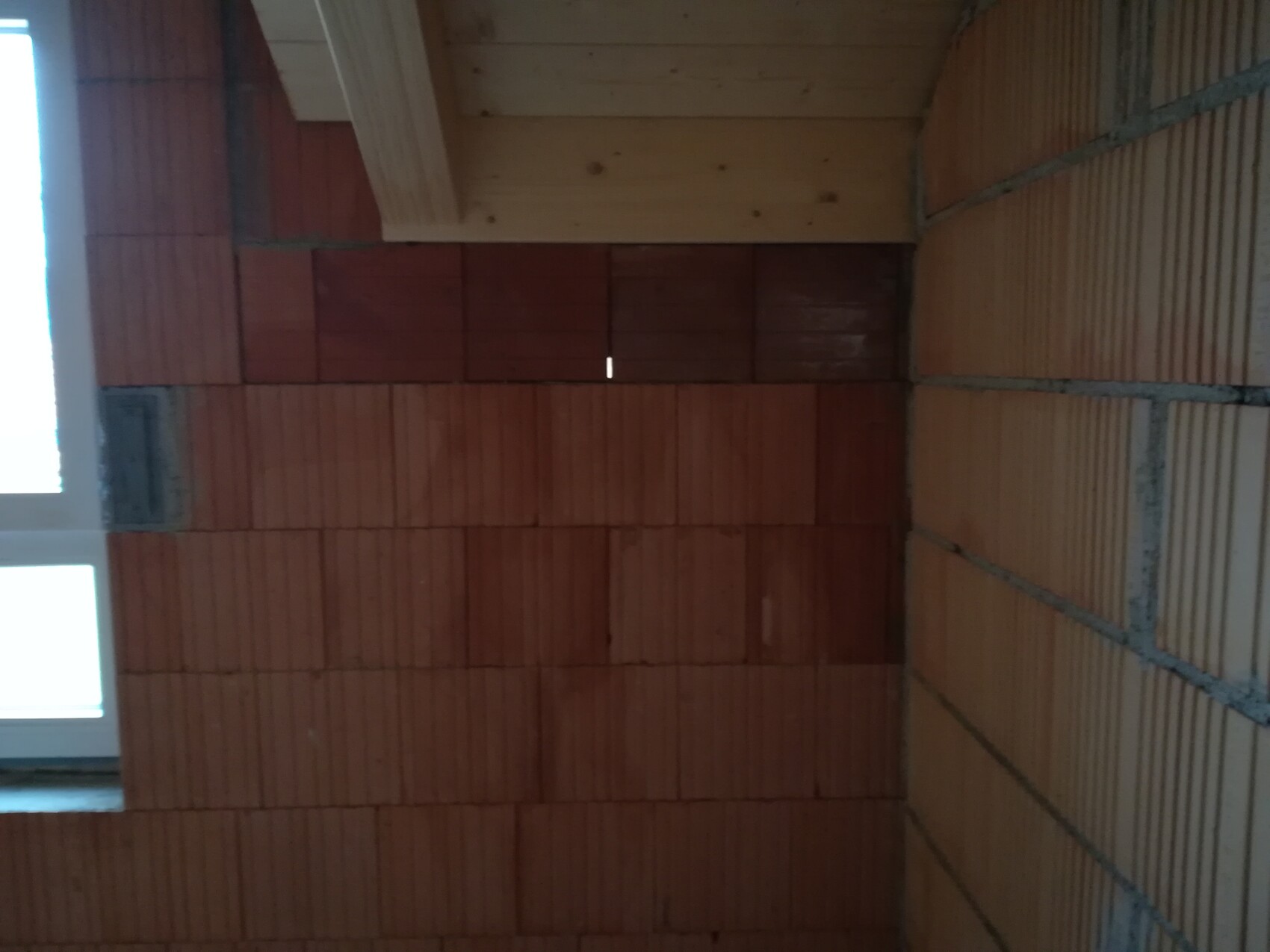
I noticed that almost all the gaps occur in one row of bricks that looks "different" (darker bricks, and it seems there is no groove there but instead a flat surface placed against the next brick. Could this be some kind of barrier layer?)
I have read that mortar joints up to 5 mm (0.2 inches) do not need to be filled according to DIN standards.
Now to my questions:
- Is this considered a defect? (Probably not, according to DIN, if that is what it refers to?)
- Should this be fixed? (Cold bridging, wind, ... especially since this is a KFW55-standard house)
- Should this be corrected free of charge?
- Although that is not my goal, if an expert is involved and determines that the builder must fix it – would I still have to pay for the expert’s assessment?
We have not yet spoken with the builder, as I wanted to gather some information first in order to approach the matter confidently.
Here are four example photos, three of the "wider" spots and one narrow one. Unfortunately, I realized afterward that some of the images are blurry, sorry for that.
Thank you very much for your opinions!
Narrow gap:
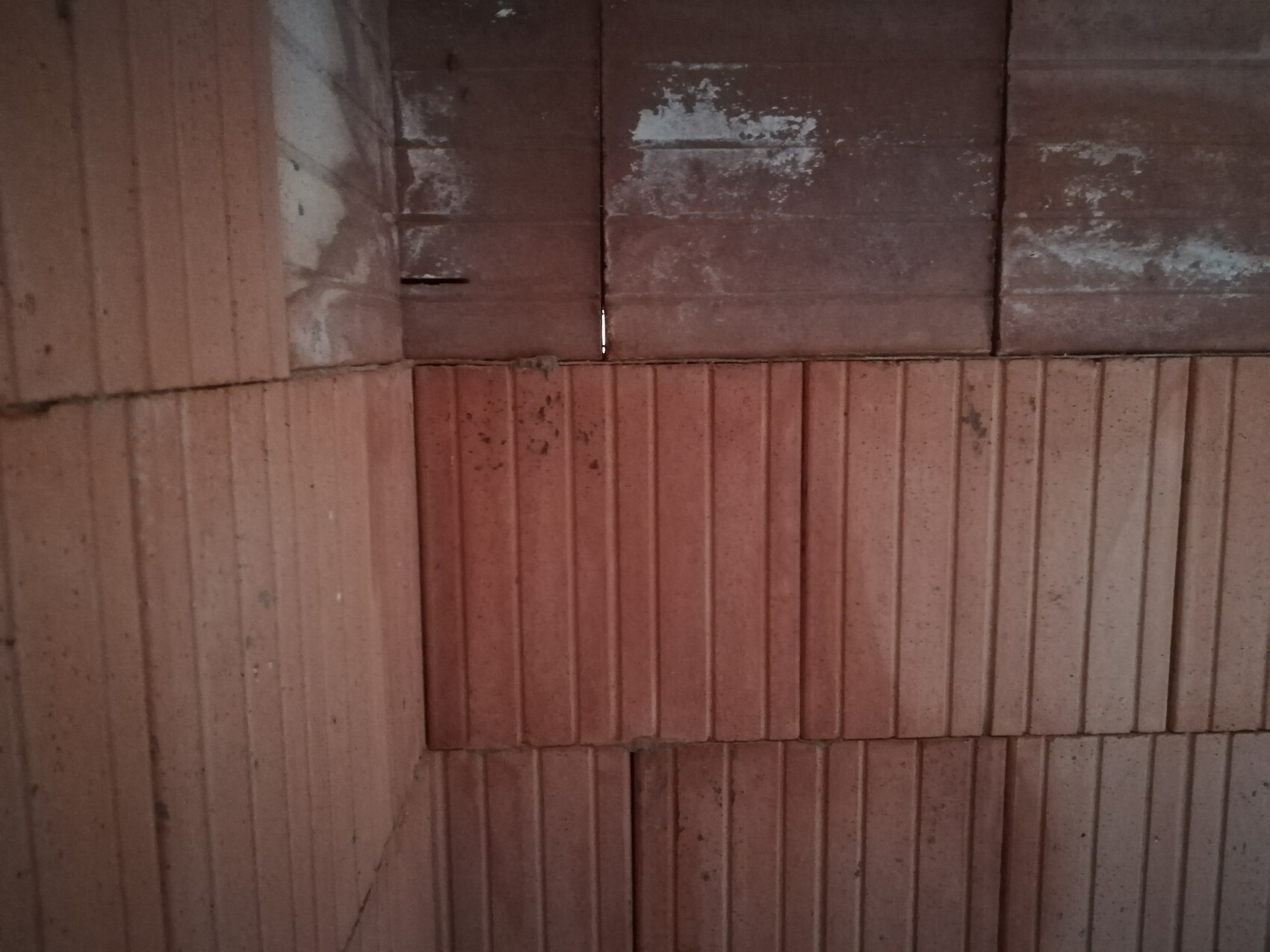
The "wider" ones:
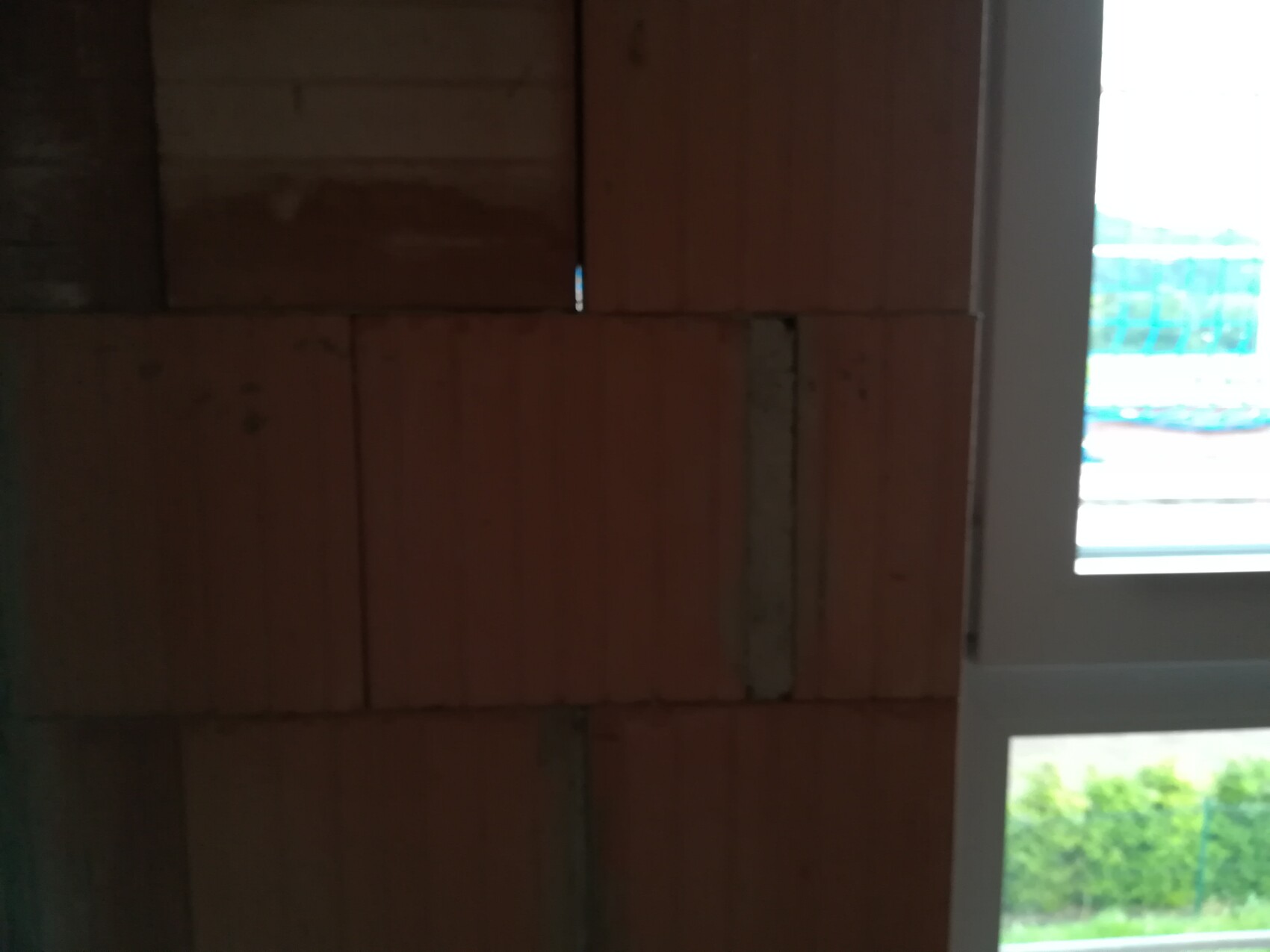
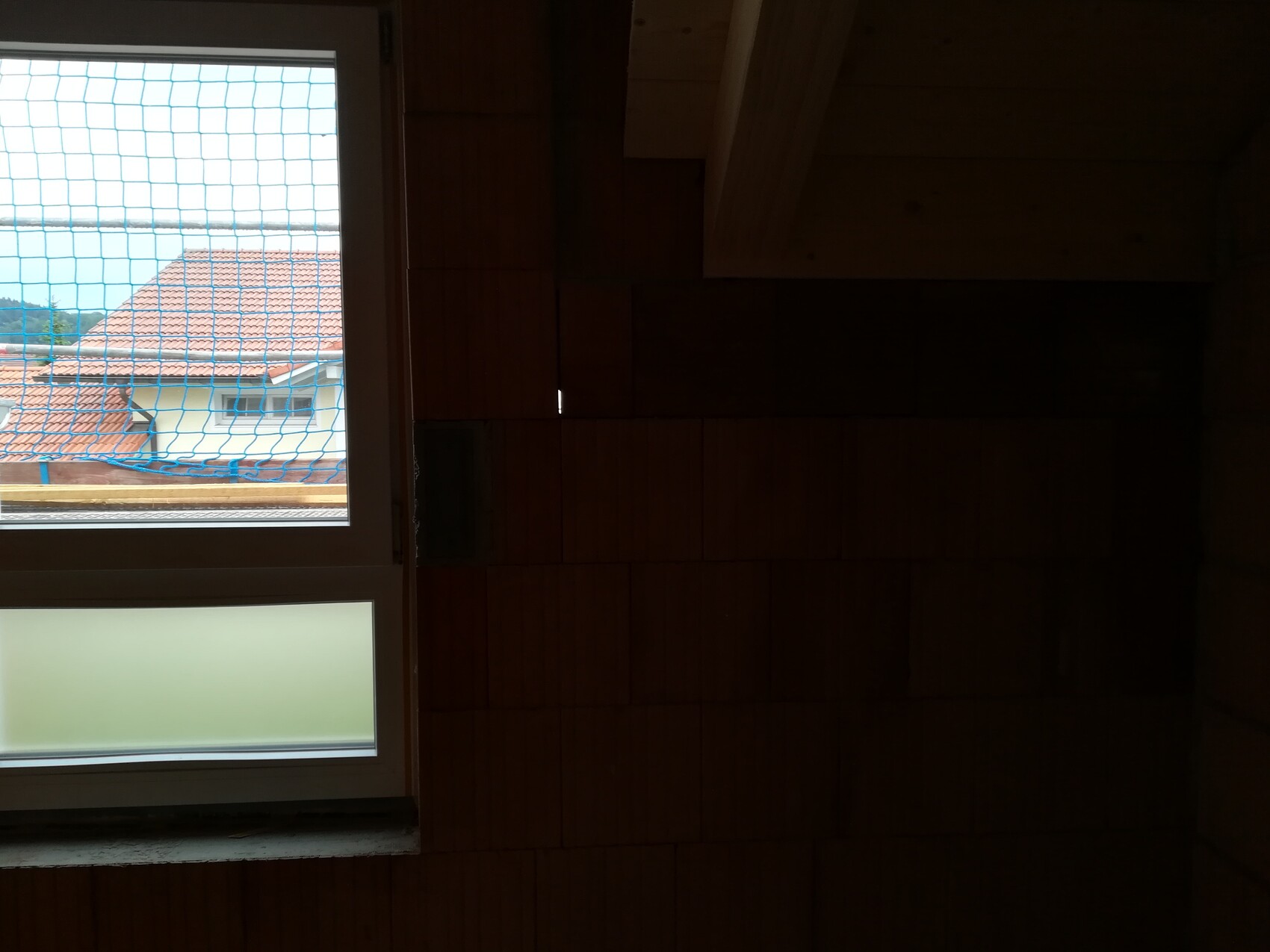
Unfortunately very blurry and therefore appearing even wider:
In December, we purchased an apartment in a four-family house that is currently under construction. We regularly visit the construction site, and now the shell of the building and the roof are in place.
Since my father-in-law completed a bricklaying apprenticeship 40 years ago, he pointed out some gaps between certain bricks. He believes these should be drilled out and filled.
I hadn’t really noticed these narrow gaps at the mortar joints before, but I have now taken a closer look: There are about 20 gaps,
15 of them approximately 1 to max. 2 mm (0.04 to 0.08 inches) wide and about 1 to 3 cm (0.4 to 1.2 inches) high,
3 to 4 are about 4 mm (0.16 inches) wide and also 1 to 3 cm (0.4 to 1.2 inches) high.
I noticed that almost all the gaps occur in one row of bricks that looks "different" (darker bricks, and it seems there is no groove there but instead a flat surface placed against the next brick. Could this be some kind of barrier layer?)
I have read that mortar joints up to 5 mm (0.2 inches) do not need to be filled according to DIN standards.
Now to my questions:
- Is this considered a defect? (Probably not, according to DIN, if that is what it refers to?)
- Should this be fixed? (Cold bridging, wind, ... especially since this is a KFW55-standard house)
- Should this be corrected free of charge?
- Although that is not my goal, if an expert is involved and determines that the builder must fix it – would I still have to pay for the expert’s assessment?
We have not yet spoken with the builder, as I wanted to gather some information first in order to approach the matter confidently.
Here are four example photos, three of the "wider" spots and one narrow one. Unfortunately, I realized afterward that some of the images are blurry, sorry for that.
Thank you very much for your opinions!
Narrow gap:
The "wider" ones:
Unfortunately very blurry and therefore appearing even wider:

triggero schrieb:
Since the father-in-law completed a bricklayer apprenticeship 40 years ago, he pointed out gaps between some of the bricks. Well, he should also have noticed that the bricks in the topmost row in images 1 and 4 are laid crosswise. With them turned this way, there are vertical joints where the brick is expecting a horizontal bed joint and cannot fulfill its function. This is quite a crude apprentice’s mistake. It is absolutely not up to professional standards. I even doubt that the building approval for the bricks remains valid with this installation method. I cannot judge the legal consequences. However, I strongly recommend documenting the defects clearly in photos or videos. Also, provide verifiable notice of the issues to the responsible parties (or preferably to all involved: the supplier, the builder, and the building authority/planning permission office).
https://www.instagram.com/11antgmxde/
https://www.linkedin.com/company/bauen-jetzt/
K
Knallkörper16 May 2018 22:57No, those are concrete form blocks, right?
Knallkörper schrieb:
No, aren’t those insulating concrete blocks? Are you referring to a ring beam? That’s why I say the photos should clearly show what they actually depict. If the top row in picture 1 is indeed the very top layer (and not just under the edge of the photo), or if all the photos are meant to show the same situation, then “I take everything back and claim the opposite.” Below the ceiling or under the wall plate it would, of course, make sense that way (if these are insulating concrete blocks). In that case, the concrete would only be poured up to the bottom edge of the "channel," and at the level of the lower concrete cover, those gaps would appear. A bricklayer on site should be able to recognize that, unlike a business consultant judging from poorly exposed photos.
https://www.instagram.com/11antgmxde/
https://www.linkedin.com/company/bauen-jetzt/
K
Knallkörper16 May 2018 23:3311ant schrieb:
Do you mean for a ring beam?Yes. There is also a layer like cardboard or similar under the "U-shaped blocks" as a sliding layer, although I don’t understand its purpose. It’s true—a bricklayer should be able to identify that.
However, the Poroton masonry to the right of the window is not bonded. I’m not sure if that is acceptable. In that context, it would be interesting to know exactly how the window lintel is constructed.
Similar topics