
ᐅ Is the plaster still too wet, or has it already dried to the normal level?
Created on: 20 Jan 2018 17:22
3
305er
Hi, the interior plastering of our new build made from Ytong was completed on 10.10.17.
On 23.10., the cement screed was installed with an added fast-drying agent. According to the screed installer, it can be covered after 14 days.
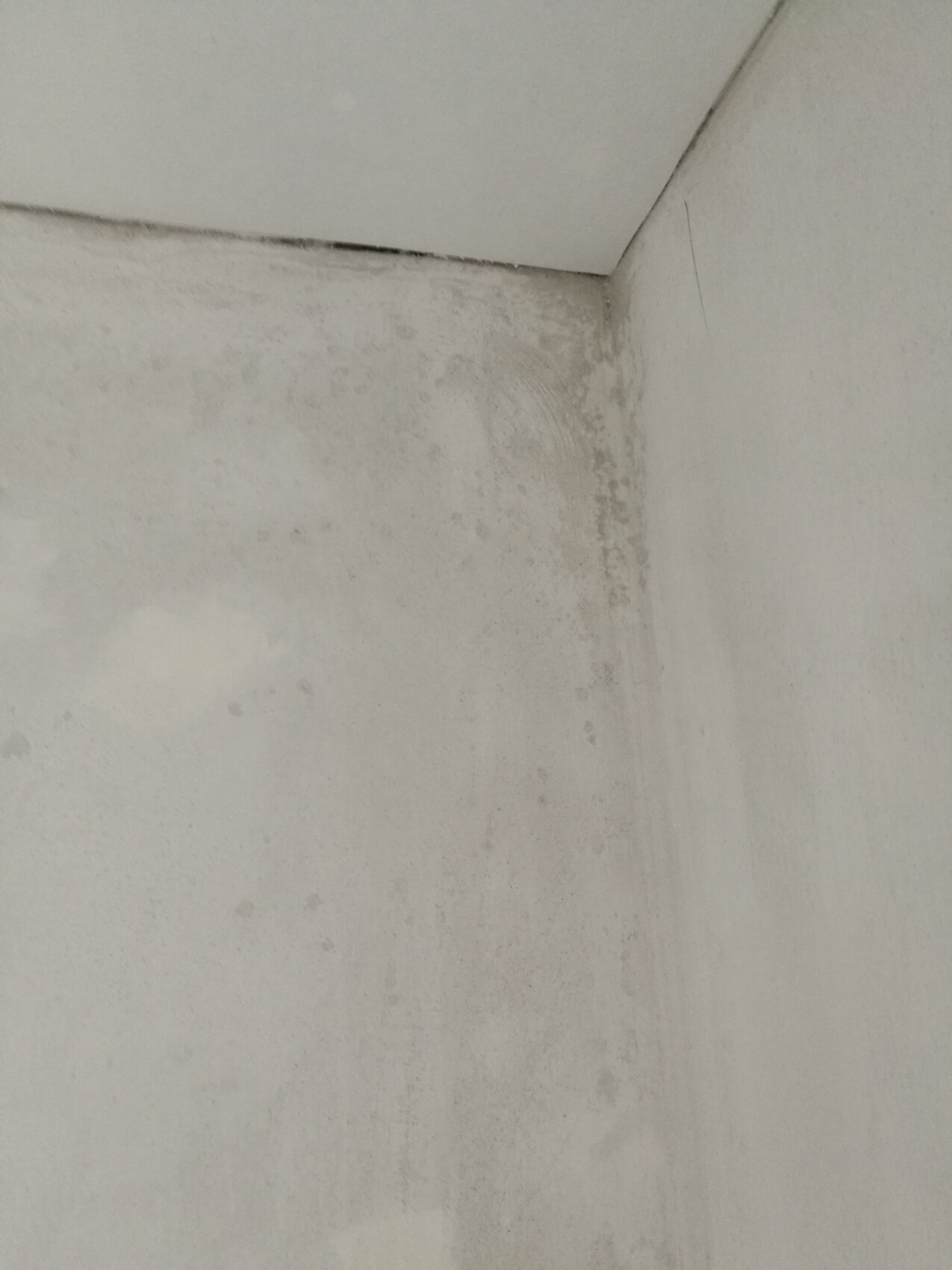
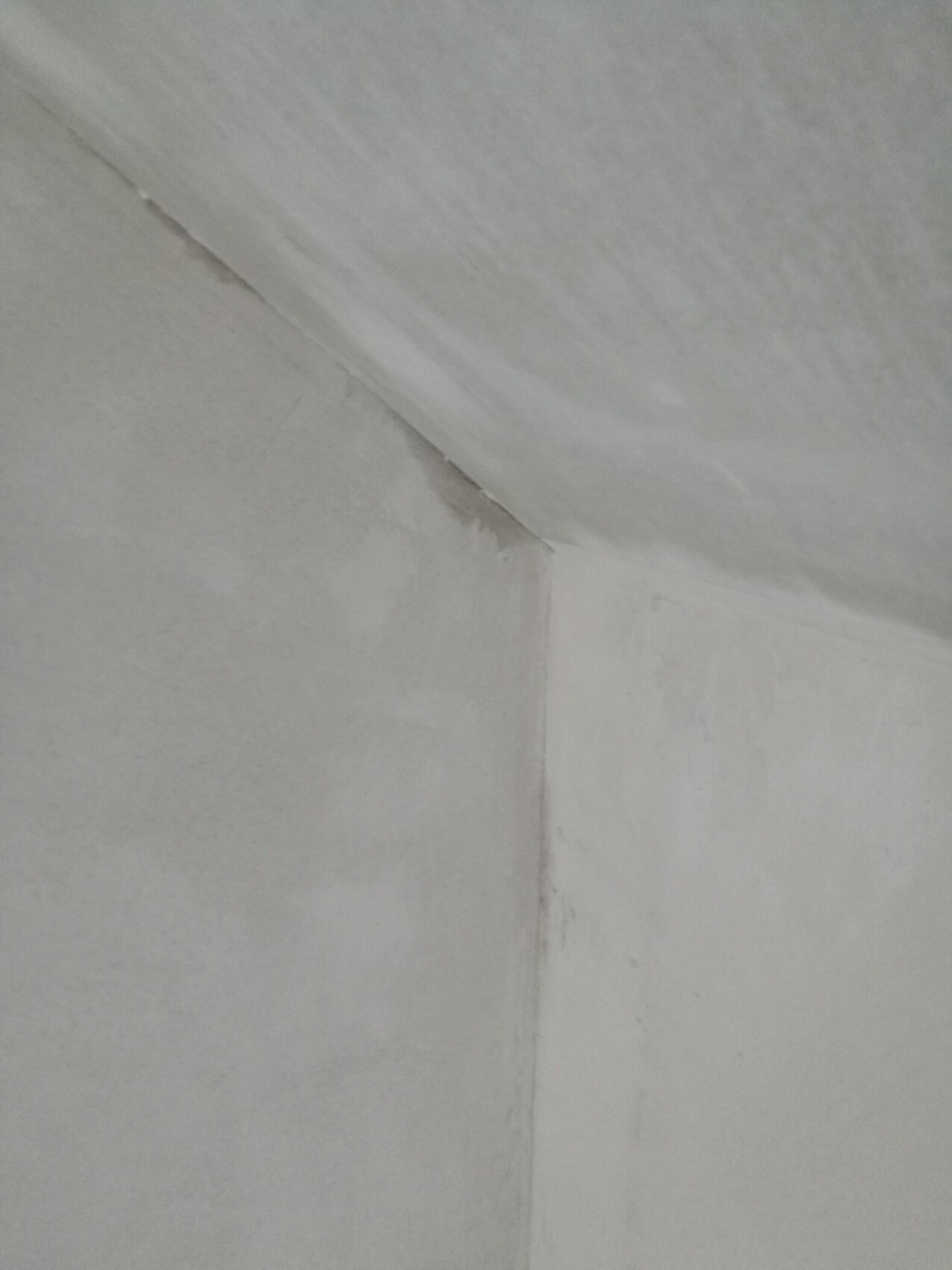
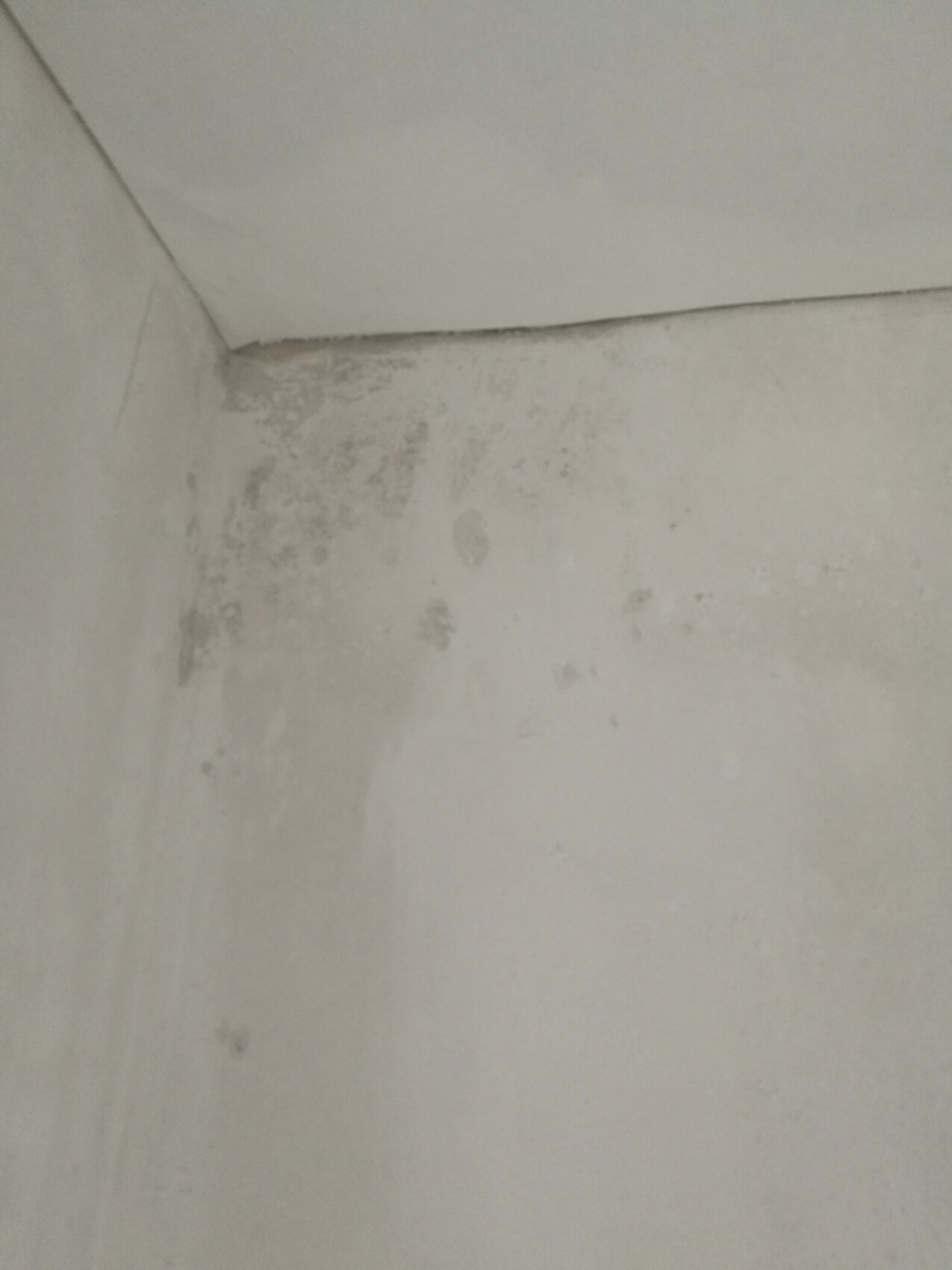
Now it is the end of January, and in some rooms on the upper floor, certain spots are still damp.
After Christmas, we used a construction dryer for 10 days, which extracted about 1-1.5 liters per hour.
We have been ventilating regularly.
The floor heating drying program never ran properly before, but it is finally working continuously now.
It was assumed the walls were dry, but when the underfloor heating was heated again to 35°C (95°F), the same areas were damp the next day.
One spot/corner sounds hollow when tapped near the dry area.
Is this still normal for these spots due to the extreme heat, or do we have a moisture problem?
Our completely useless site manager says it is normal.
The worst areas were before the construction dryer was used.
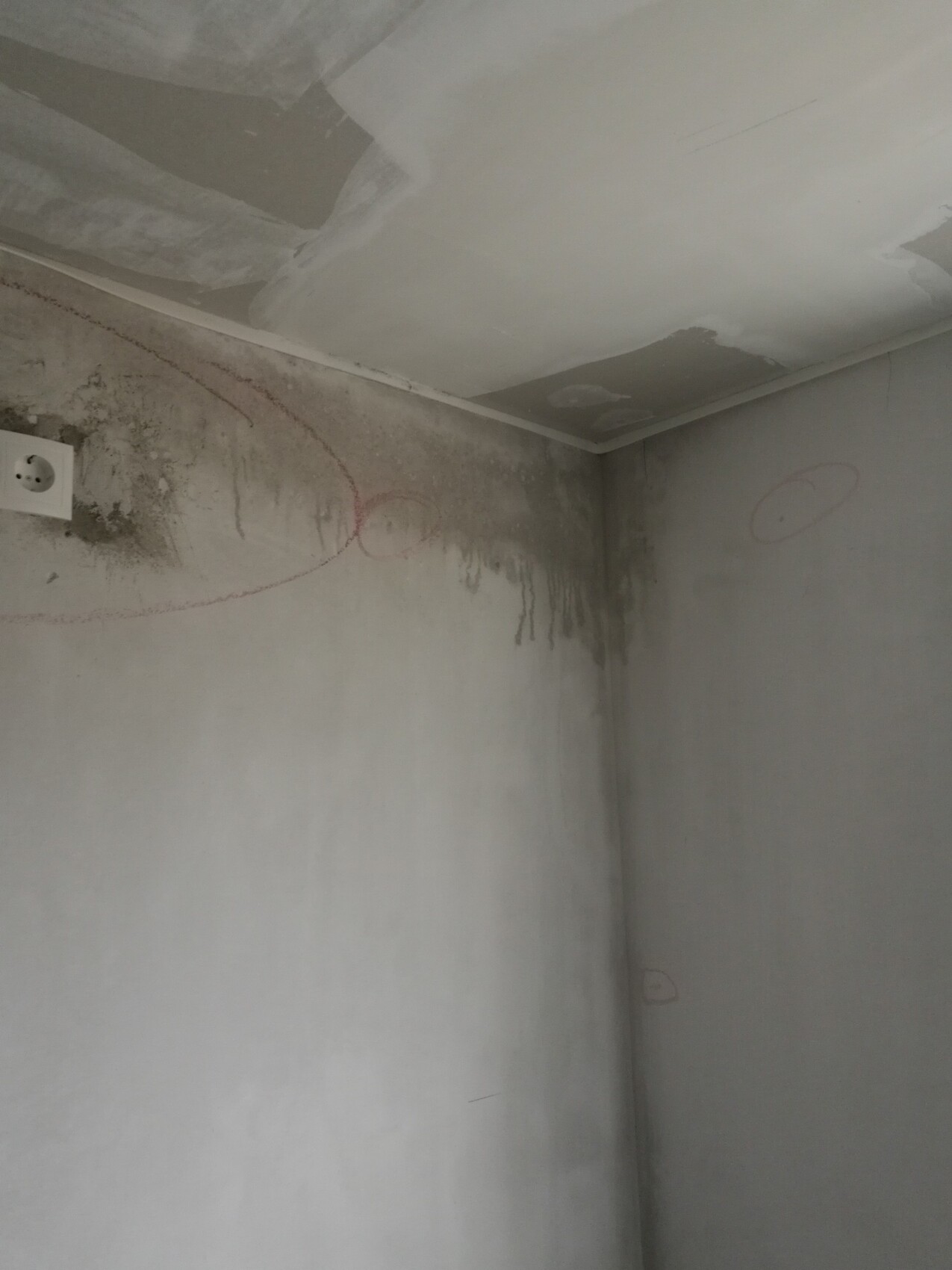
On 23.10., the cement screed was installed with an added fast-drying agent. According to the screed installer, it can be covered after 14 days.
Now it is the end of January, and in some rooms on the upper floor, certain spots are still damp.
After Christmas, we used a construction dryer for 10 days, which extracted about 1-1.5 liters per hour.
We have been ventilating regularly.
The floor heating drying program never ran properly before, but it is finally working continuously now.
It was assumed the walls were dry, but when the underfloor heating was heated again to 35°C (95°F), the same areas were damp the next day.
One spot/corner sounds hollow when tapped near the dry area.
Is this still normal for these spots due to the extreme heat, or do we have a moisture problem?
Our completely useless site manager says it is normal.
The worst areas were before the construction dryer was used.
B
Baumfachmann22 Jan 2018 00:53Construction defects, if present, cannot be simply heated away.

Ah, something I just remembered: because nothing happened for such a long time and the heating wasn’t working properly, small mold spots developed on the drywall panels in the bathroom.
Even now, the mold is visible through the plaster.
Once where the bathtub is supposed to go and next to it.
I have brought this to the site manager’s attention several times. When the drywall installers “installed” the bathtub, they simply hung a second drywall panel over the moldy one.
I have photos of everything.
According to the site manager and drywall installers, the moldy panel was treated with something so that it supposedly won’t occur again.
What do you think?
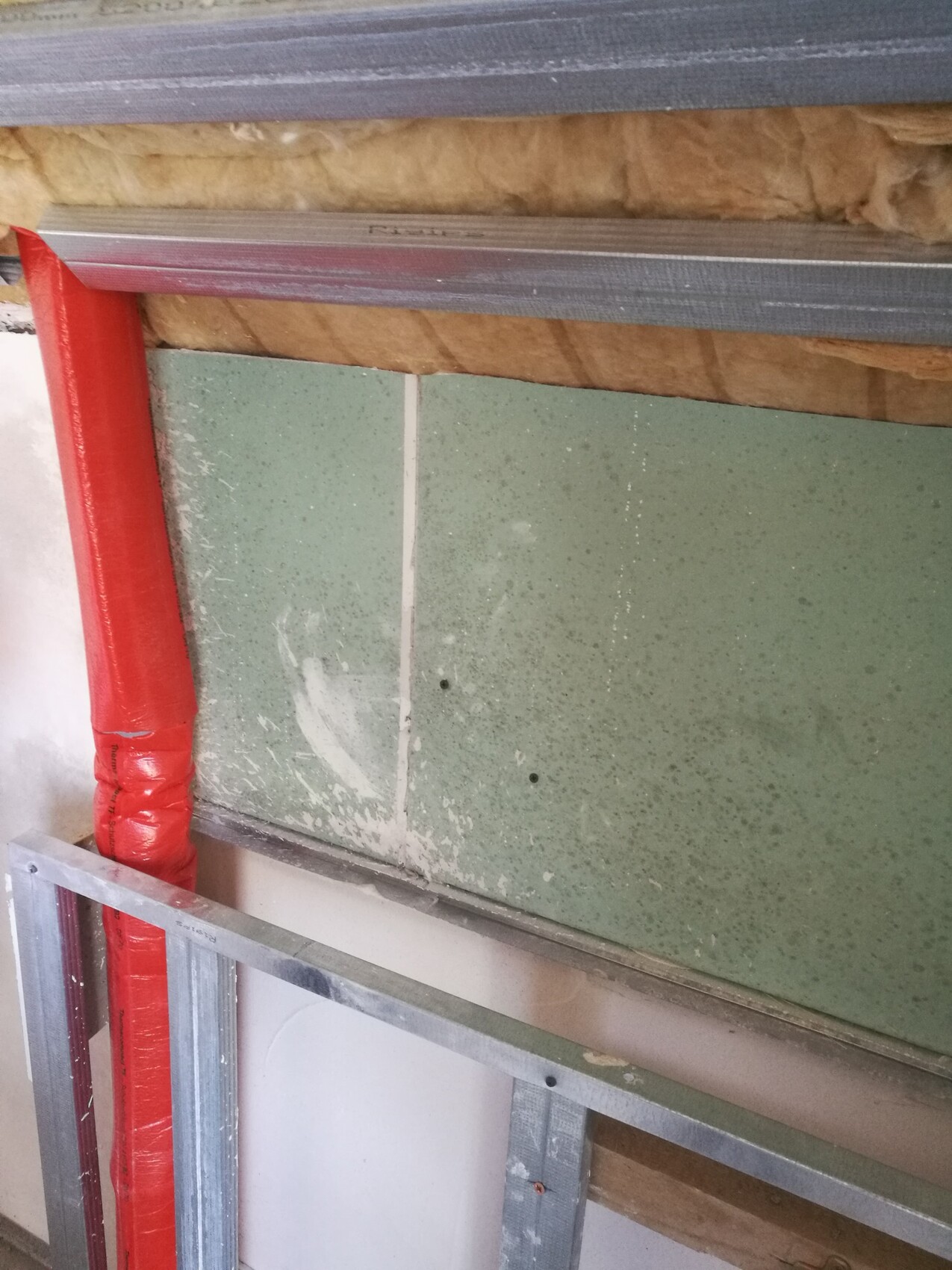
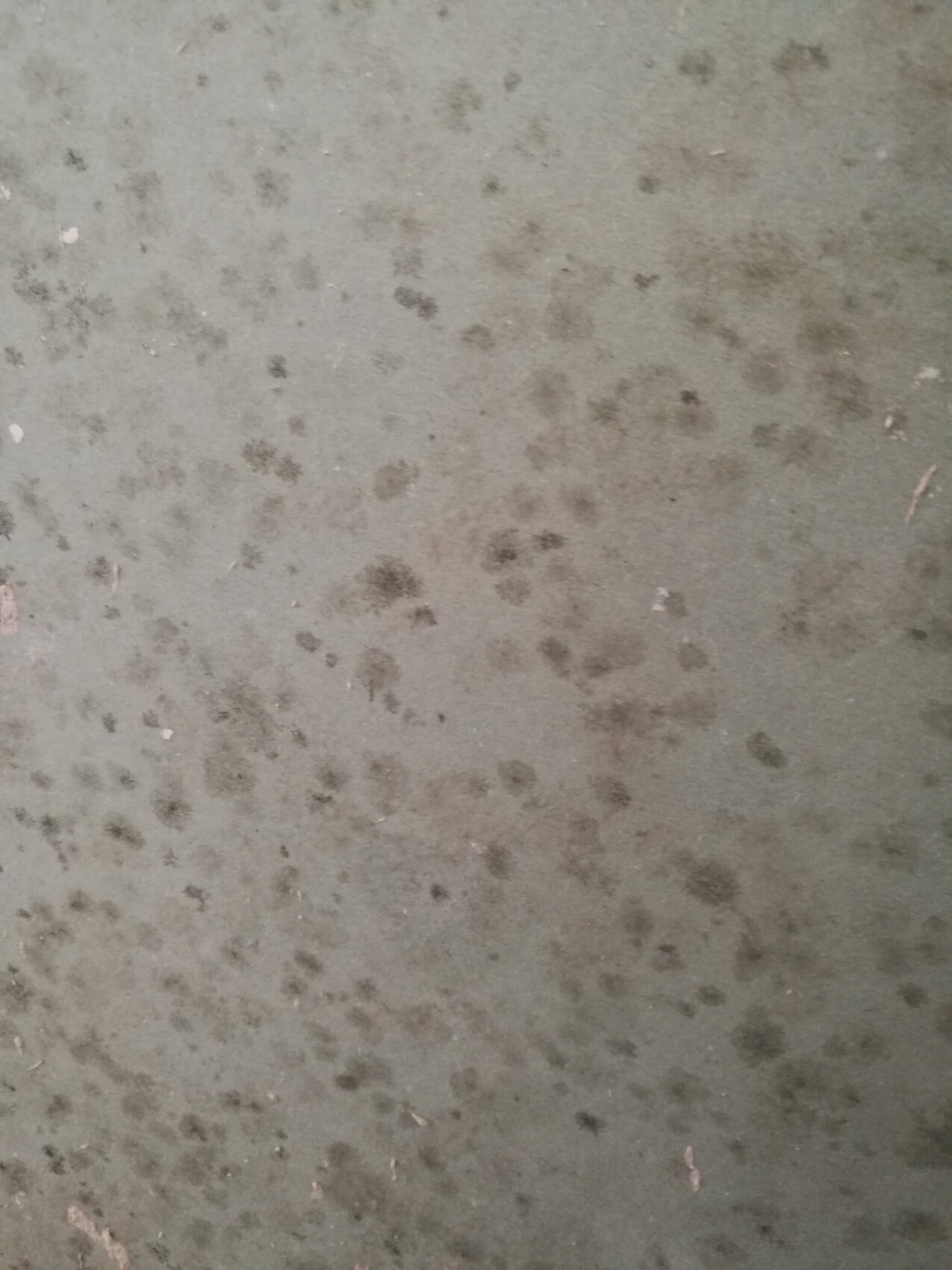
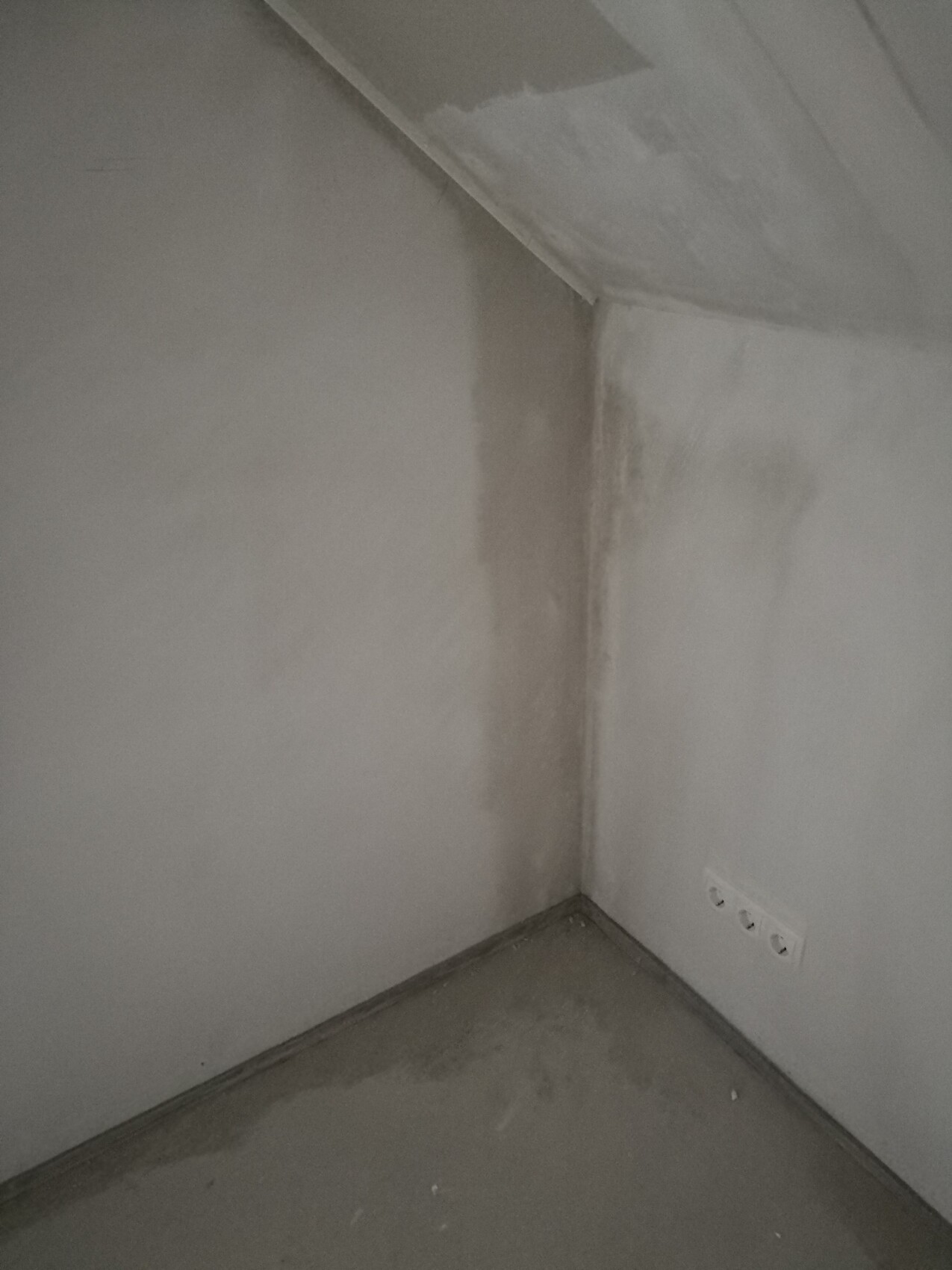
And currently, next to the bathtub, it looks like this (in the meantime, the painters have plastered over it again).
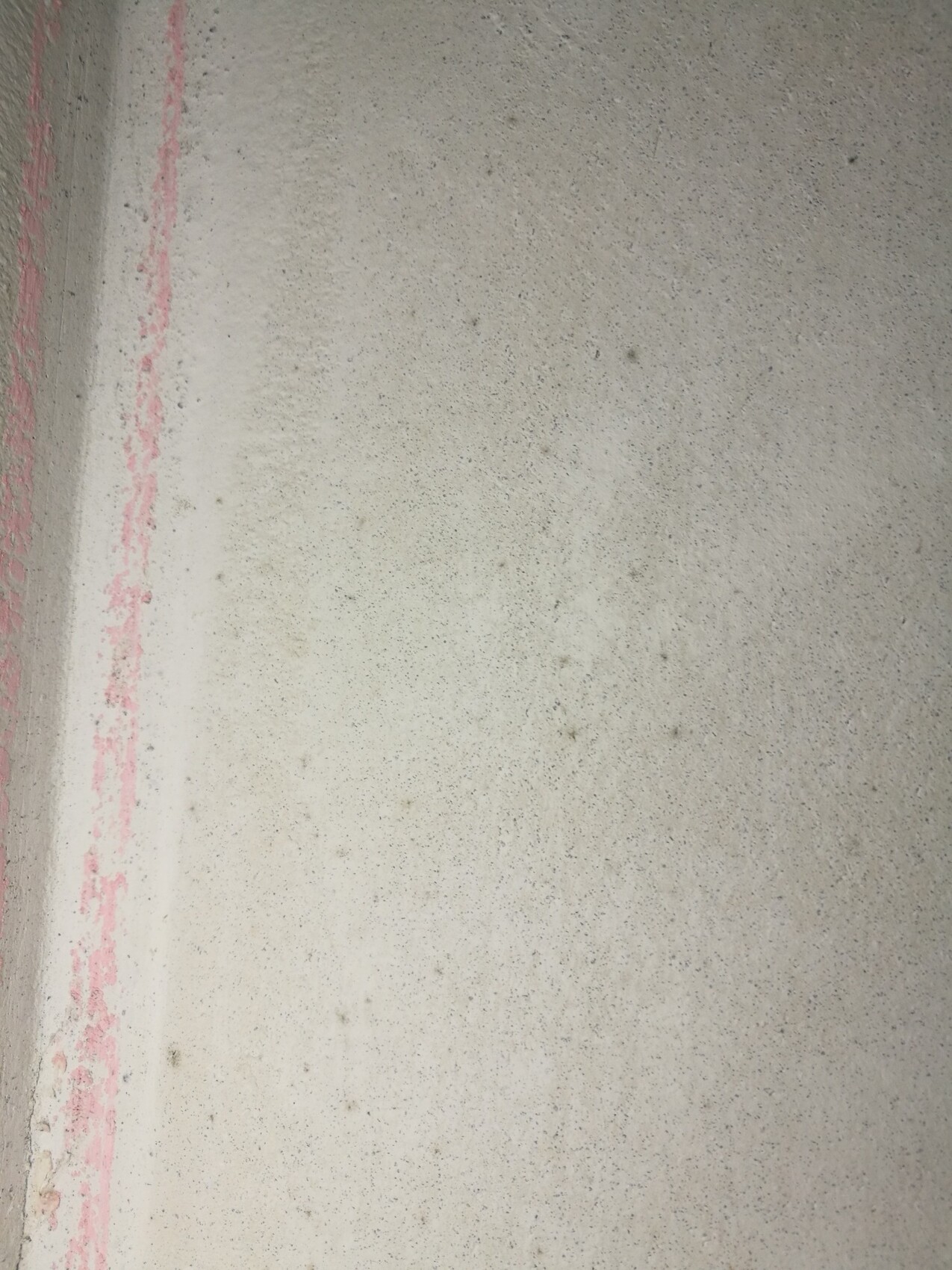
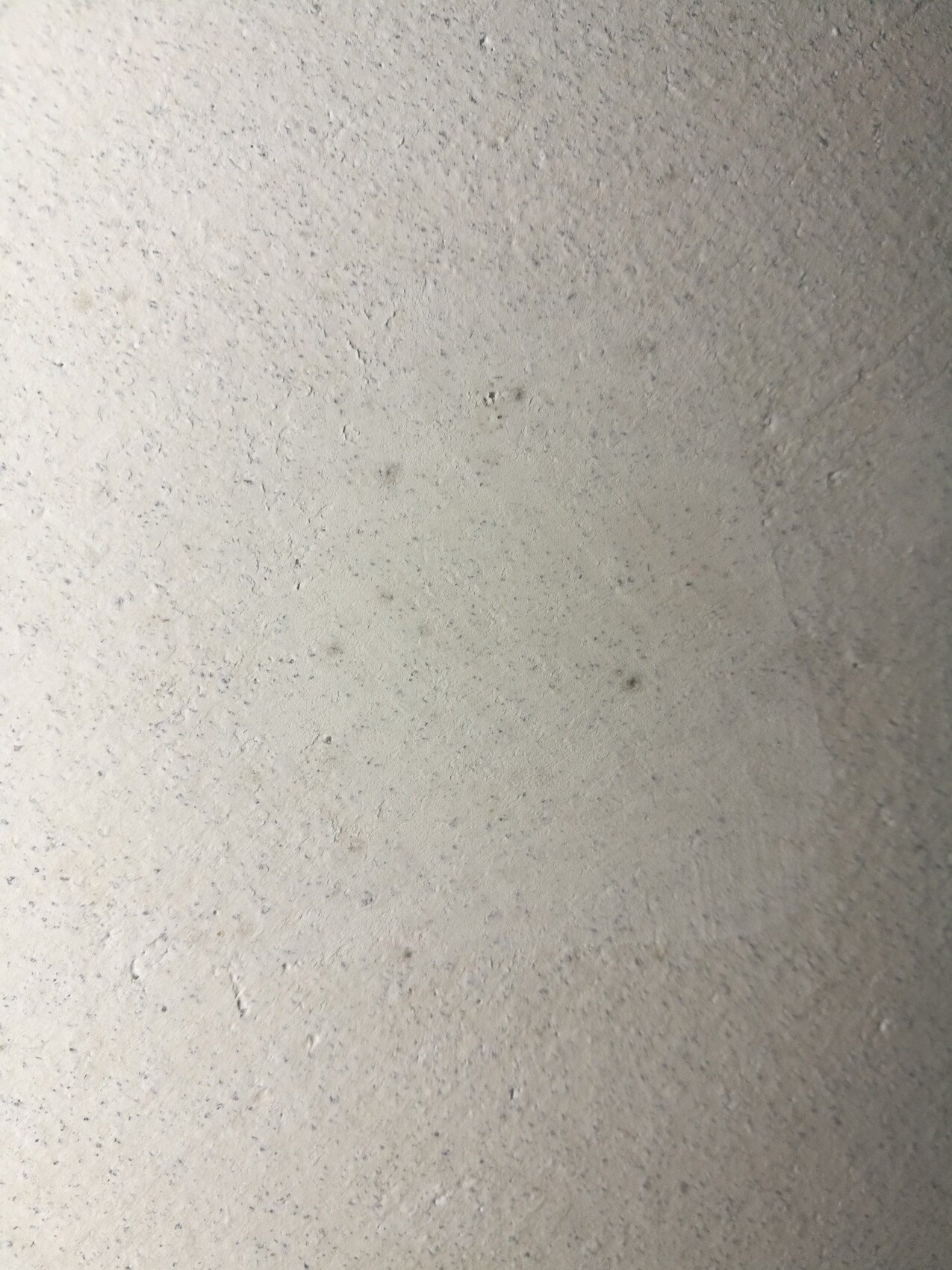
Even now, the mold is visible through the plaster.
Once where the bathtub is supposed to go and next to it.
I have brought this to the site manager’s attention several times. When the drywall installers “installed” the bathtub, they simply hung a second drywall panel over the moldy one.
I have photos of everything.
According to the site manager and drywall installers, the moldy panel was treated with something so that it supposedly won’t occur again.
What do you think?
And currently, next to the bathtub, it looks like this (in the meantime, the painters have plastered over it again).

305er schrieb:
Don't you think this is simply related to the heating system, meaning the underfloor heating's warm-up program goes up to 45°C (113°F), everything is closed and sealed, so of course it gets very warm (and humid?) inside there? Hello,
That is definitely not enough.
I suspect this is not the answer you want to hear, or that you don't want to spend the money on drying. Therefore, the problem will continue to persist.
Olli
What does "not spending money" mean? We already had a construction dryer that ran for 10 days, and our thermometer showed 55% humidity.
Of course, it was still extracting some water, but there is also enough moisture in the air to absorb.
The painter who was there checked the walls, and the device showed no moisture. By now, we suspect it was broken.
Of course, it was still extracting some water, but there is also enough moisture in the air to absorb.
The painter who was there checked the walls, and the device showed no moisture. By now, we suspect it was broken.
Similar topics