
ᐅ Construction of a wooden beam floor for a two-story single-family house with a pitched roof.
Created on: 25 Dec 2017 16:34
P
Paulus16
Hello,
We recently celebrated the topping-out ceremony for our two-story single-family house about 10 days ago.
However, I have some concerns regarding the construction of the wooden beam ceiling:
- The carpenter installed a walkable floor directly on the beams across the entire area, using OSB 3 boards.
- The boards are attached directly to the beams, with no battens in between.
Full insulation between the beams is planned later during the interior finishing, along with a vapor barrier, battens, and drywall. The attic itself will not be heated. The roof slopes will not be insulated.
I am worried that, due to the lack of ventilation and the vapor-tight OSB boards installed directly on top of the insulation, condensation and mold could develop. Is this design faulty, does it comply with building regulations (building permit/planning permission), or am I overreacting? What do you think?
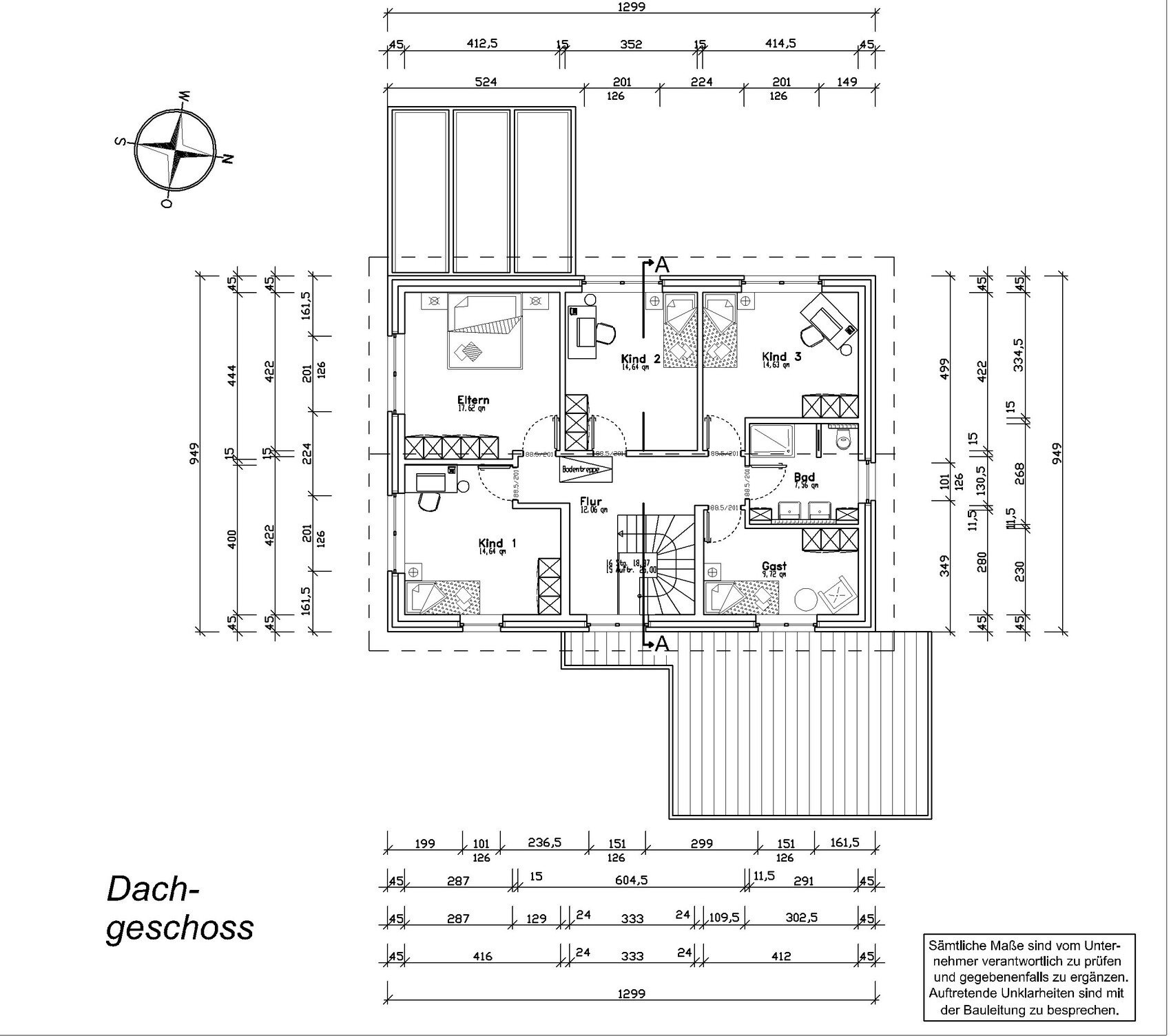
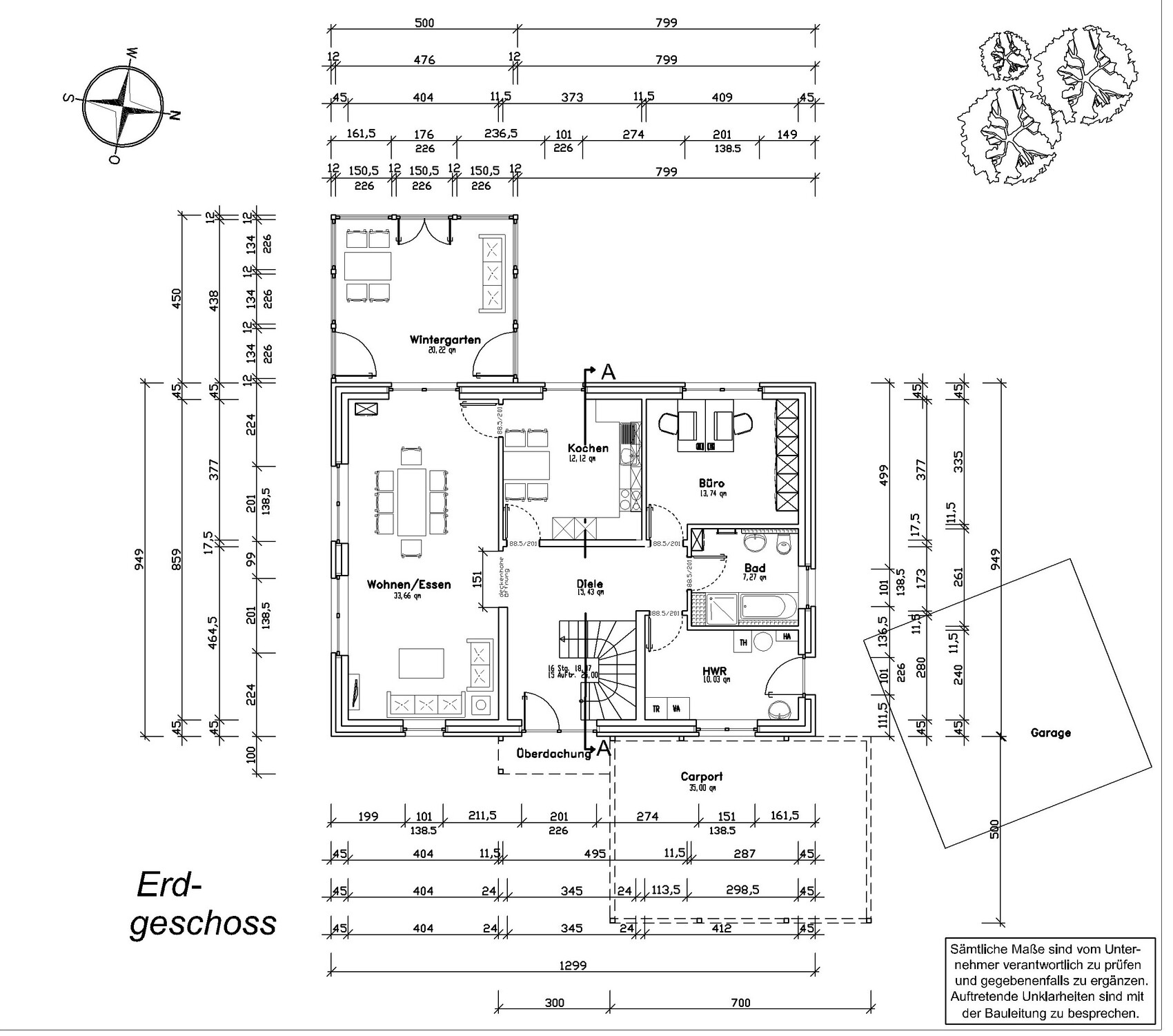
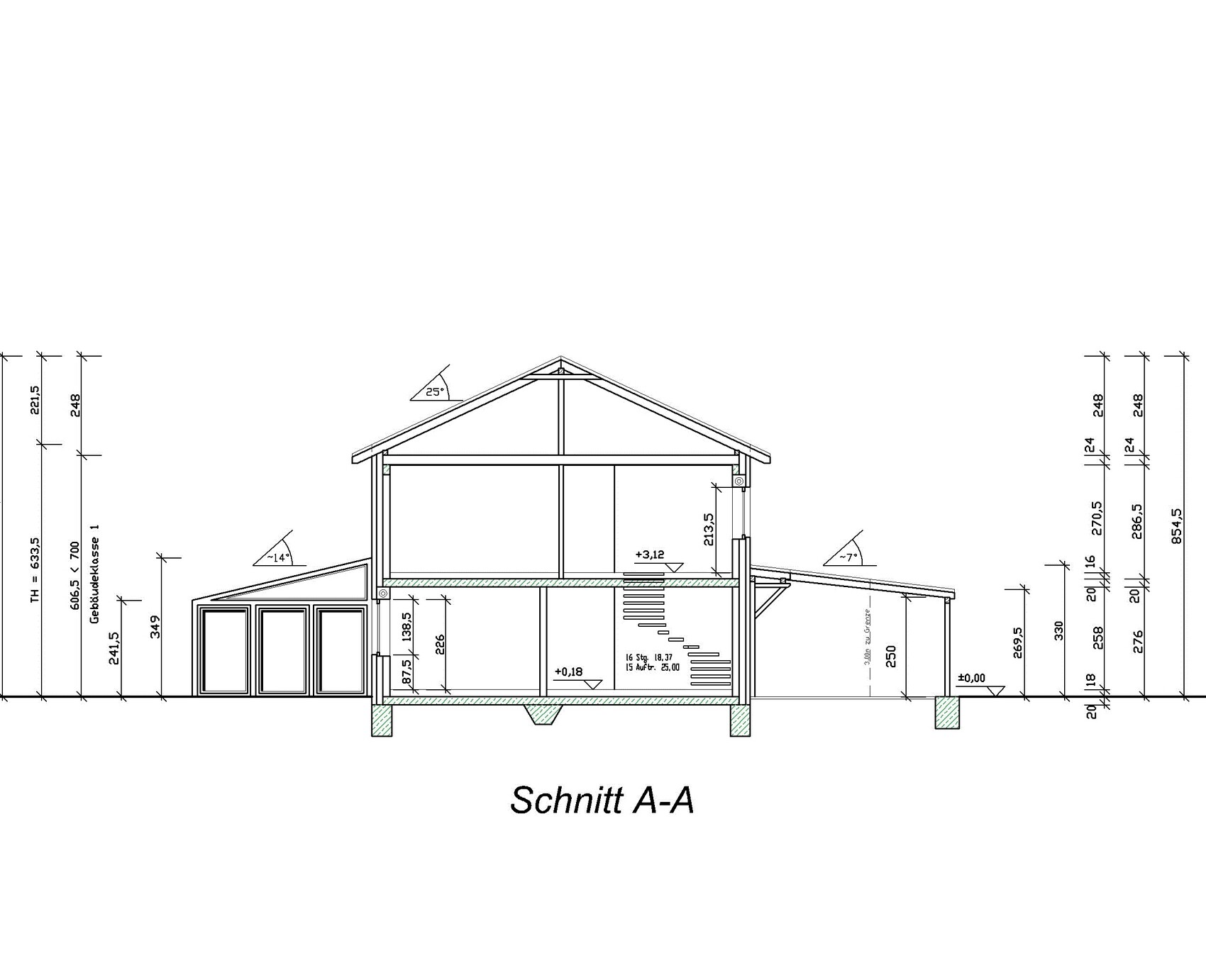
We recently celebrated the topping-out ceremony for our two-story single-family house about 10 days ago.
However, I have some concerns regarding the construction of the wooden beam ceiling:
- The carpenter installed a walkable floor directly on the beams across the entire area, using OSB 3 boards.
- The boards are attached directly to the beams, with no battens in between.
Full insulation between the beams is planned later during the interior finishing, along with a vapor barrier, battens, and drywall. The attic itself will not be heated. The roof slopes will not be insulated.
I am worried that, due to the lack of ventilation and the vapor-tight OSB boards installed directly on top of the insulation, condensation and mold could develop. Is this design faulty, does it comply with building regulations (building permit/planning permission), or am I overreacting? What do you think?
K
Knallkörper26 Dec 2017 00:00Paulus16 schrieb:
Is the problem with the OSB board material or the lack of ventilation?It’s the material. The ventilation is basically ineffective. There is no driving force for horizontal air exchange. Is a vapor retarder or vapor barrier planned on the interior side?

Paulus16 schrieb:
Why do you think that? Could you please explain further? Knallkörper schrieb:
Ventilation is basically ineffective. There is no driving force for horizontal air exchange. That’s exactly right. You wouldn’t have air circulation in this horizontal air layer. In terms of heat transfer, this layer between the joists and the subfloor is already “beyond” the insulation layer. Without circulation, this would be the perfect spot for exactly the condensation you are worried about.
Below the joists—so "in front of" the insulation layer—the slowing down of heat transfer hasn’t occurred yet, so the temperature difference compared to the layer directly below (the room air) is smaller and therefore less problematic. The battens here don’t interfere (they are not intended to serve an energy-related purpose at this point, but rather to decouple the natural movement of the joist material from the gypsum board, which behaves relatively stable and rigid in this regard—this decoupling wouldn’t be necessary if it was wood on wood). However, I would have preferred tongue-and-groove boards.
https://www.instagram.com/11antgmxde/
https://www.linkedin.com/company/bauen-jetzt/
K
Knallkörper26 Dec 2017 12:57I wouldn’t want it that way. There is no such thing as a 100% airtight vapor barrier. From my point of view, the top side of the collar beam layer should actually be vapor-permeable.
Similar topics