
Hello,
the house is almost finished and we are in the final stretch. Until a few days ago, we were very excited.
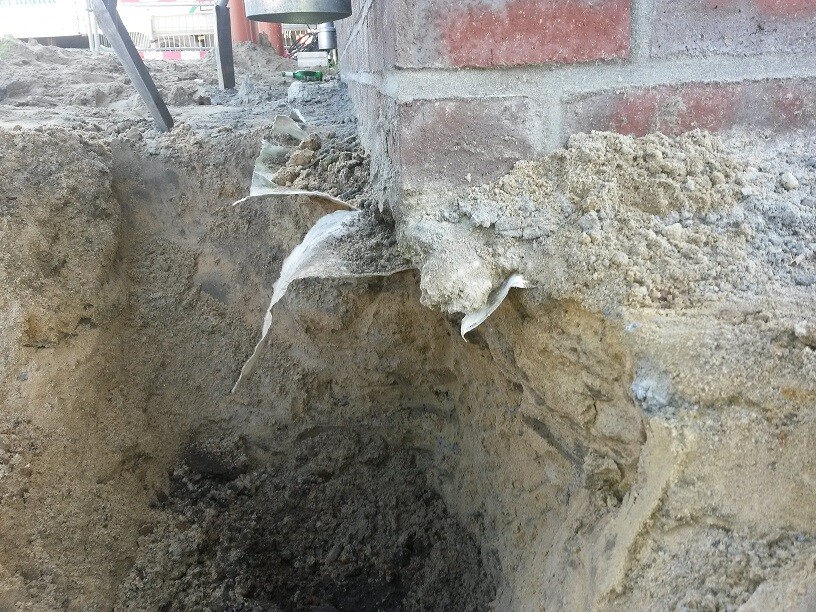
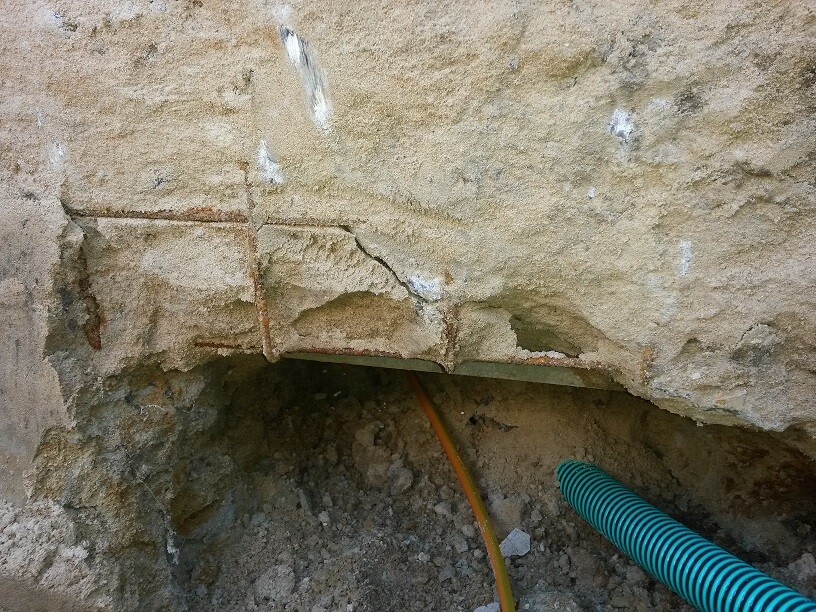
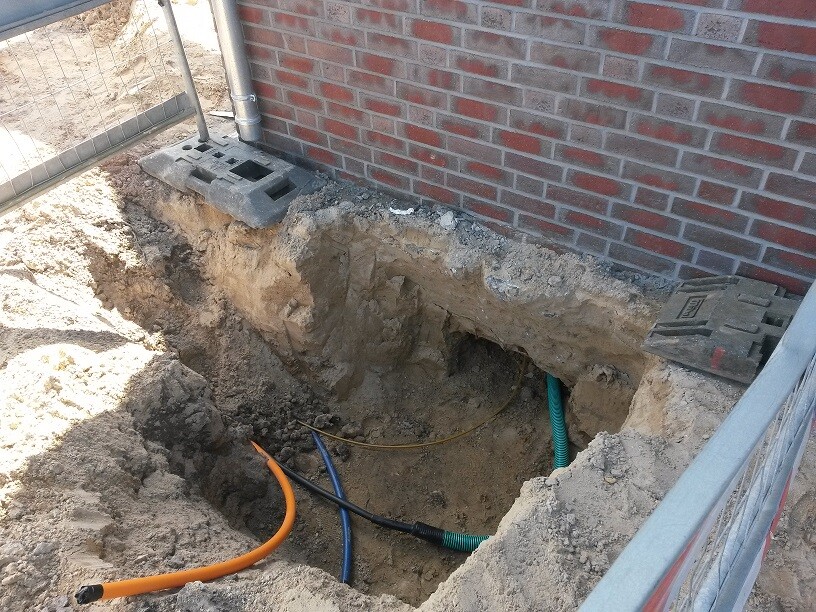
During the installation of the utility connections a few days ago, I had a clear view of the foundation slab. I noticed that the reinforcement bars are considerably exposed.
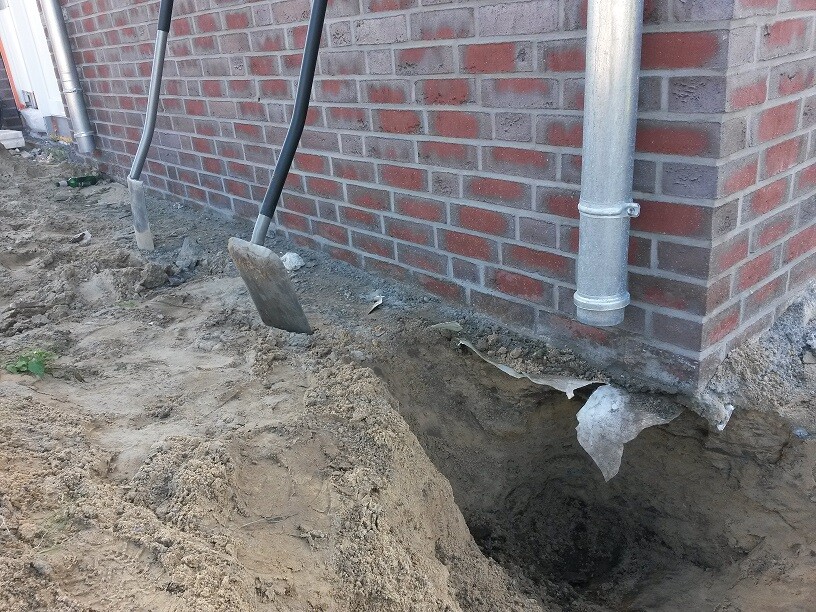
I then dug test holes around the house and found that parts of the reinforcement bars are also exposed here and there.
Workers from neighboring construction sites kindly pointed out that this might be a serious defect. The bars could rust, and the rust might eat into the slab, causing it to crack. At the same time, frost and moisture could worsen the damage.
By the way, I also noticed that the brickwork is hanging free over a stretch of about 1m (3 feet).
My question now is: is this exposed reinforcement a major problem? Or can it be repaired?
the house is almost finished and we are in the final stretch. Until a few days ago, we were very excited.
During the installation of the utility connections a few days ago, I had a clear view of the foundation slab. I noticed that the reinforcement bars are considerably exposed.
I then dug test holes around the house and found that parts of the reinforcement bars are also exposed here and there.
Workers from neighboring construction sites kindly pointed out that this might be a serious defect. The bars could rust, and the rust might eat into the slab, causing it to crack. At the same time, frost and moisture could worsen the damage.
By the way, I also noticed that the brickwork is hanging free over a stretch of about 1m (3 feet).
My question now is: is this exposed reinforcement a major problem? Or can it be repaired?

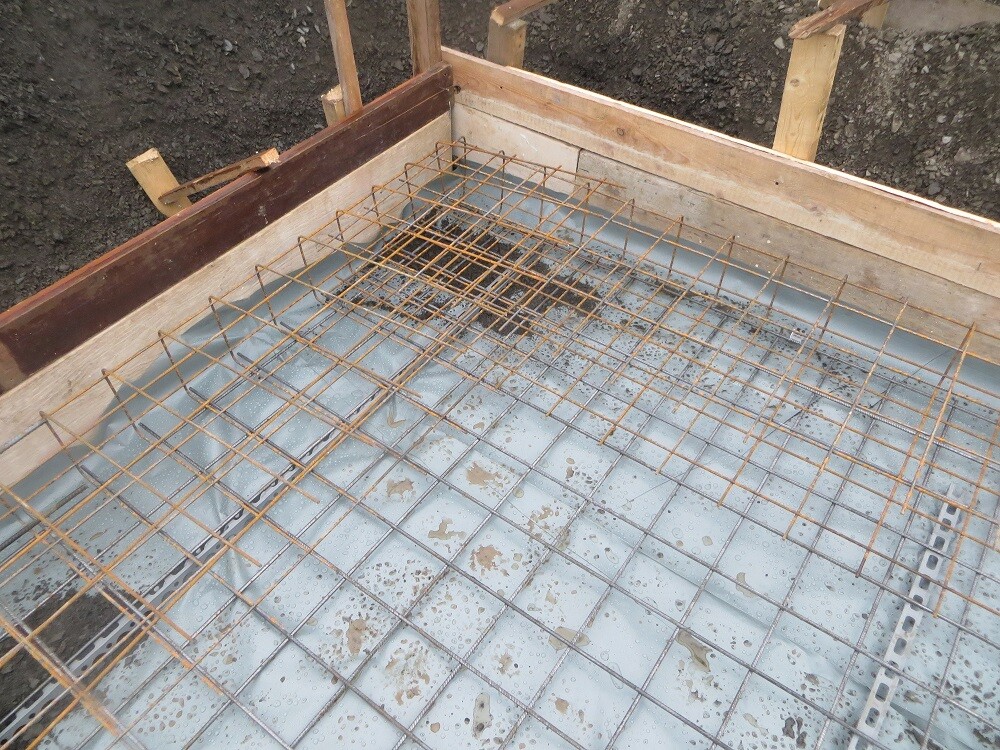
The reinforcement is vertical at that point because it was bent into a cage or an open cage facing the interior of the house. Further inside, spacer “snakes” must have been installed between the first and second layer.
If I understand correctly, you don’t have a strip foundation at all, but “only” a slab-on-grade.
Since the slab edges are far from straight, it was probably poured without formwork, which explains the irregular distances between the reinforcement and the soil.
There is also no visible plastic sheeting at the lower part that would keep the plastic spacers from touching the soil.
Attached is an example (not finished yet).
If I understand correctly, you don’t have a strip foundation at all, but “only” a slab-on-grade.
Since the slab edges are far from straight, it was probably poured without formwork, which explains the irregular distances between the reinforcement and the soil.
There is also no visible plastic sheeting at the lower part that would keep the plastic spacers from touching the soil.
Attached is an example (not finished yet).
I am with the explosive devices. It was done the same way here. The foundation slab partly rests on the frost barrier (or more precisely, the insulation under the slab does). The facing brick was then built with a gap on the frost barrier. Perimeter insulation was also placed in between.
The frost barrier itself is not very clearly defined, but the foundation slab is separated from it.
Whether this is actually the case for the original poster will be revealed by the construction details – or by the expert inspector.
The frost barrier itself is not very clearly defined, but the foundation slab is separated from it.
Whether this is actually the case for the original poster will be revealed by the construction details – or by the expert inspector.
K
Knallkörper12 Sep 2016 15:31BeHaElJa schrieb:
Interesting point.. I think it runs in the frost skirt all around and then into the foundation slab (?)I have seen it several times now that the grounding conductor runs around the frost skirt, as you say, and is then routed directly from the frost skirt into the building at the point where utilities enter. So it does not go into the foundation slab or through it.
There are specific requirements for electricians when installing the foundation grounding system.
For conventional concrete, a galvanized grounding strip is usually sufficient. This strip must be connected to the reinforcement and, for corrosion protection, must be completely covered with concrete.
When using waterproof concrete (WU concrete) or full perimeter insulation, an additional stainless steel ring ground (usually V4A wire with a diameter of 10mm (0.4 inches)) must be installed under the slab for equipotential bonding.
For conventional concrete, a galvanized grounding strip is usually sufficient. This strip must be connected to the reinforcement and, for corrosion protection, must be completely covered with concrete.
When using waterproof concrete (WU concrete) or full perimeter insulation, an additional stainless steel ring ground (usually V4A wire with a diameter of 10mm (0.4 inches)) must be installed under the slab for equipotential bonding.
Similar topics