
ᐅ Hot Water Recirculation Pipe – What Insulation Should Be Used?
Created on: 29 Aug 2016 15:34
S
SchmelloI am planning to replace my hot water line with a loop system including a circulation pump.
All routes are open.
It will be aluminum composite pipe 20x2 mm (0.8x0.08 inches).
Now, there are numerous types of insulation with different thicknesses...
I would prefer not to use the wrong one.
Can you recommend something? Preferably pipe with insulation already attached...
Thanks in advance.
All routes are open.
It will be aluminum composite pipe 20x2 mm (0.8x0.08 inches).
Now, there are numerous types of insulation with different thicknesses...
I would prefer not to use the wrong one.
Can you recommend something? Preferably pipe with insulation already attached...
Thanks in advance.
On Bosy’s website, there is some information under the term "thermal insulation." However, as far as I know, work on drinking water pipes should only be carried out by qualified plumbers. After all, it involves drinking water. It may even be prohibited to make any modifications yourself.
No worries, a trained plumber will press and connect the pipes...
But drilling holes, installing threaded rods including clamps, and laying the pipe shouldn’t be a problem.
Of course, now there will be responses like: Why don’t you just ask the plumber?
My experience with tradespeople (I am one myself) hasn’t been great so far... Everyone has different opinions.
That’s why, before I start buying anything or talk to the plumber about what to use, I wanted to ask here in the forum which insulation to use or how thick it should be... Or if someone can recommend a product.
Since this is about a hot water line and I want to avoid unnecessary heat loss.
I found this pipe... does anyone know it? It has 13mm (½ inch) insulation
Multilayer composite pipe Gerpex RA Emmeti
But drilling holes, installing threaded rods including clamps, and laying the pipe shouldn’t be a problem.
Of course, now there will be responses like: Why don’t you just ask the plumber?
My experience with tradespeople (I am one myself) hasn’t been great so far... Everyone has different opinions.
That’s why, before I start buying anything or talk to the plumber about what to use, I wanted to ask here in the forum which insulation to use or how thick it should be... Or if someone can recommend a product.
Since this is about a hot water line and I want to avoid unnecessary heat loss.
I found this pipe... does anyone know it? It has 13mm (½ inch) insulation
Multilayer composite pipe Gerpex RA Emmeti

Image 1 Horizontal pipes under the screed, basement on the left, upper floors on the right.
Image 2 Transition from horizontal to vertical pipes and inaccessible shafts.
Image 3 Accessible rooms such as the heating room or attic.
Image 4 End pieces, e.g., for fittings where there is limited space behind the wall.
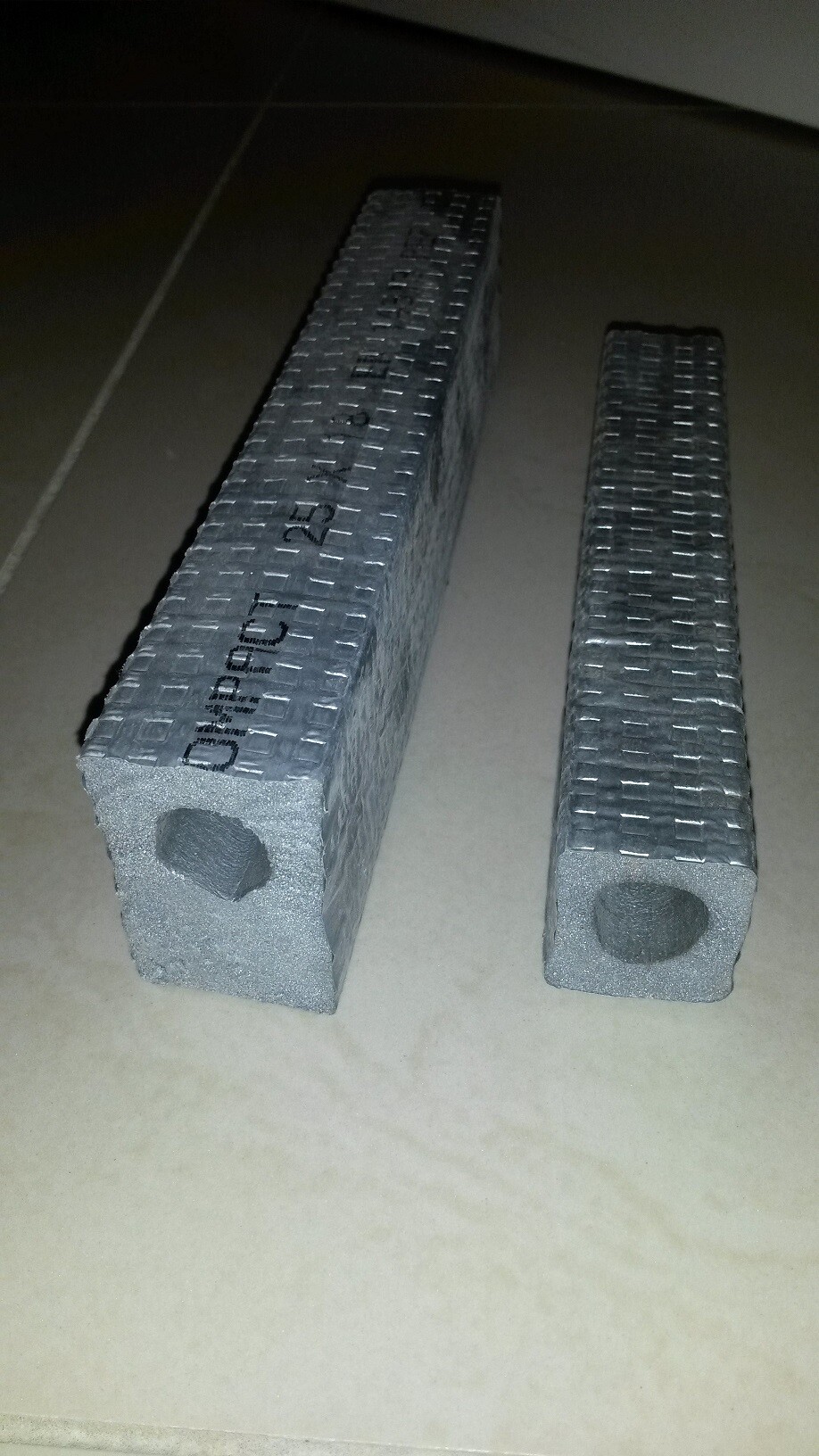
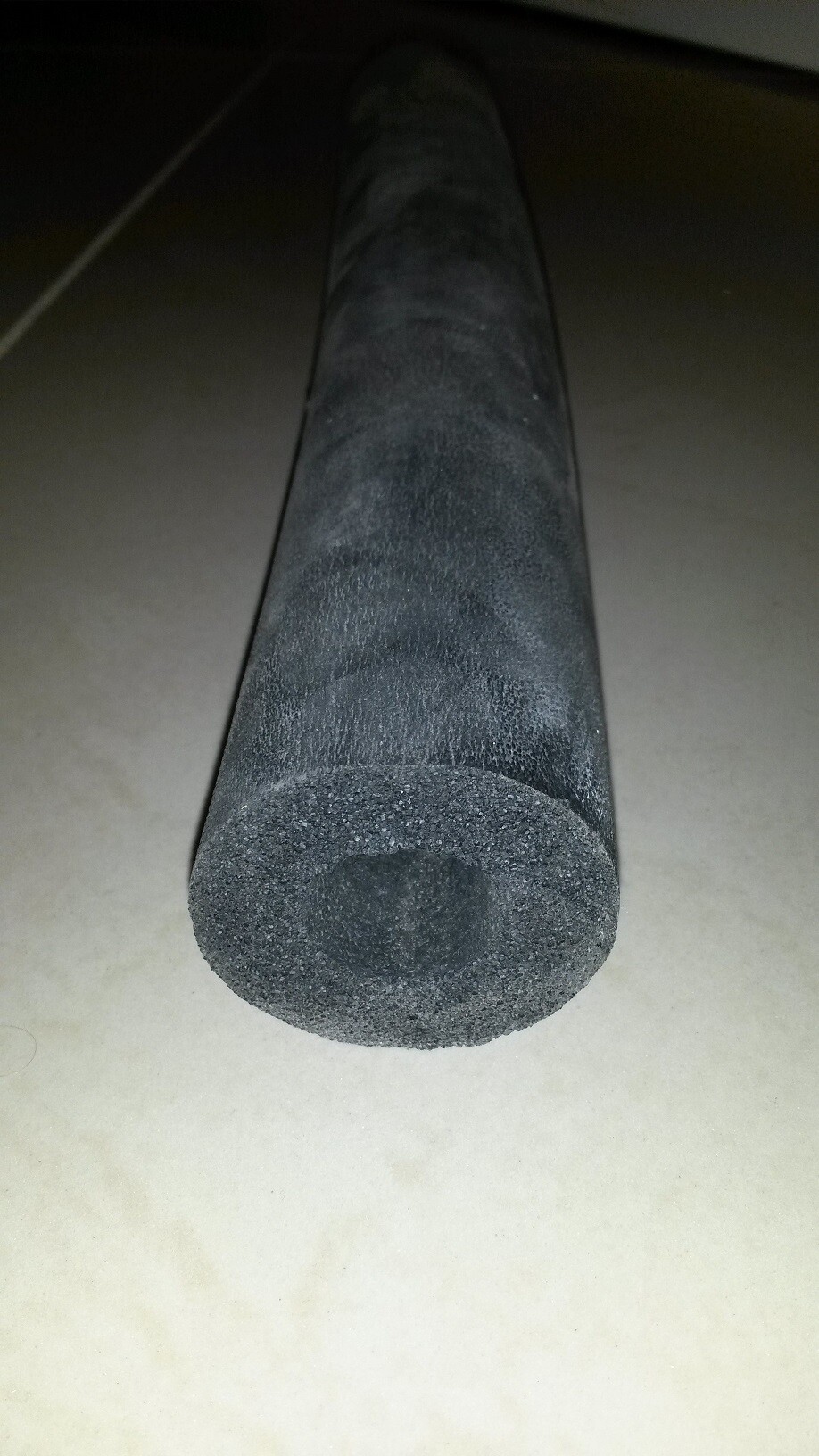
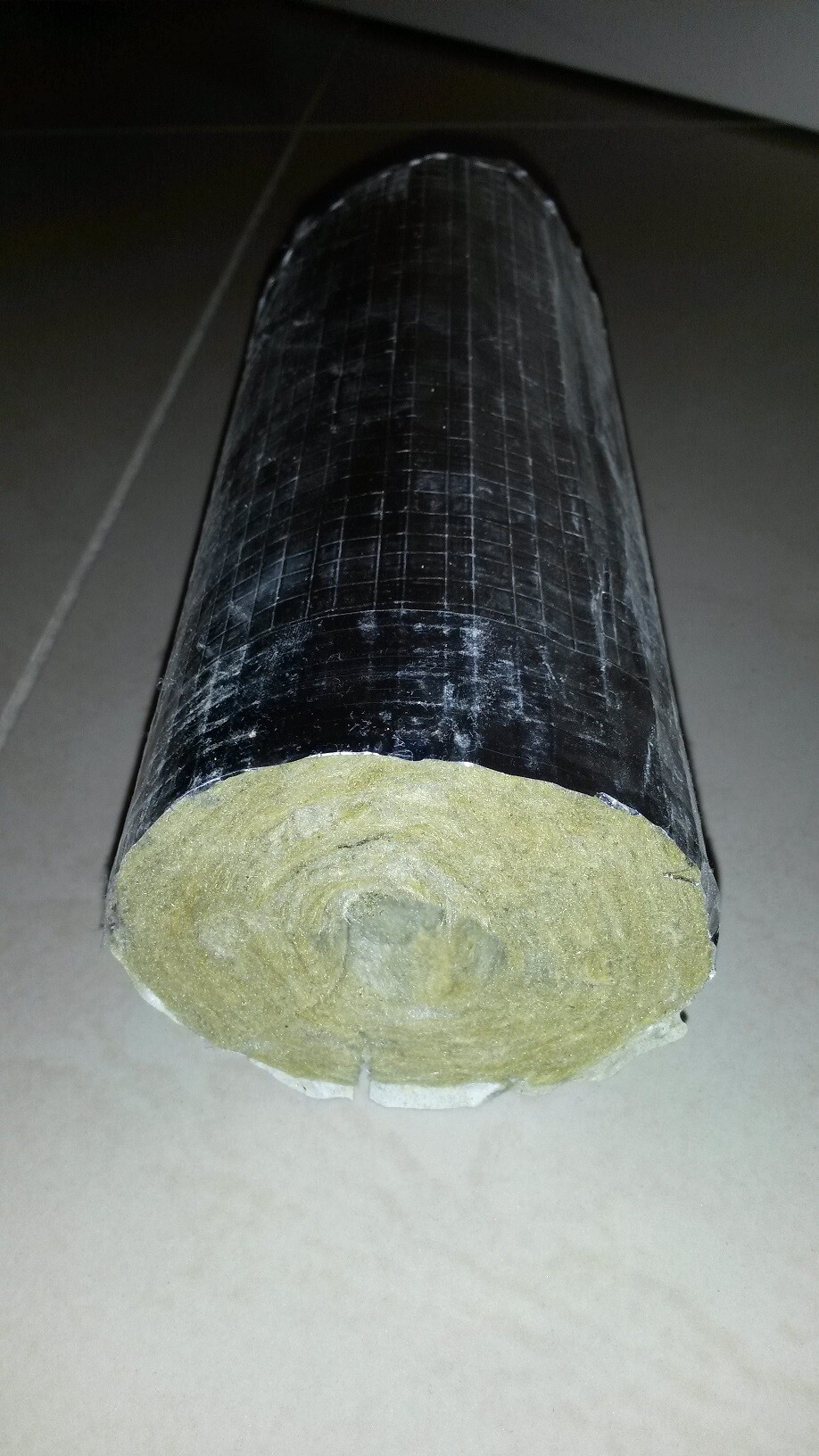
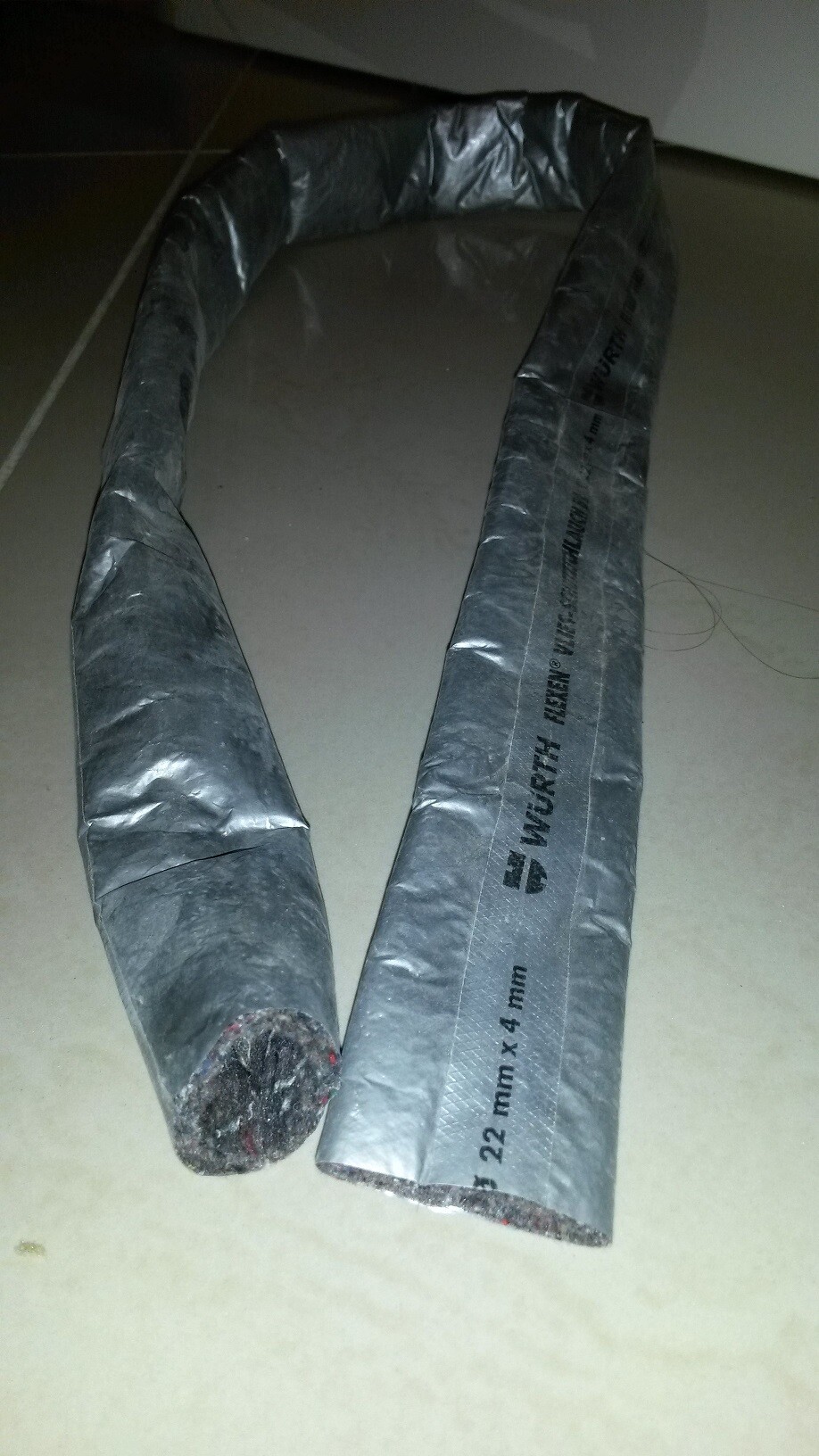
Image 2 Transition from horizontal to vertical pipes and inaccessible shafts.
Image 3 Accessible rooms such as the heating room or attic.
Image 4 End pieces, e.g., for fittings where there is limited space behind the wall.
Thank you for your photos and information.
The hot water pipes run only in the basement and up through two shafts as well as within a stud wall.
I don’t need to install anything under the screed or similar. Instead, I can reach all the way to the fixtures using clamps.
Therefore, it would of course be ideal if there is an aluminum composite pipe with sufficient pre-installed insulation.
In my view, this would significantly speed up the work.
I have seen pre-insulated composite pipes sized 20 x 2 with 13 mm (0.5 inch) insulation... would that be sufficient?
At least for the shafts, which run through heated rooms.
Then possibly only replace the insulation in the basement if it’s too thin with a different one.
The hot water pipes run only in the basement and up through two shafts as well as within a stud wall.
I don’t need to install anything under the screed or similar. Instead, I can reach all the way to the fixtures using clamps.
Therefore, it would of course be ideal if there is an aluminum composite pipe with sufficient pre-installed insulation.
In my view, this would significantly speed up the work.
I have seen pre-insulated composite pipes sized 20 x 2 with 13 mm (0.5 inch) insulation... would that be sufficient?
At least for the shafts, which run through heated rooms.
Then possibly only replace the insulation in the basement if it’s too thin with a different one.
Grym schrieb:
However, as far as I know, work on drinking water pipes should only be carried out by qualified plumbers. After all, it concerns drinking water. It might even be prohibited to do it yourself.Why does a professional always have to do everything? Somehow, I don’t see the point of hardware stores or specialist retailers selling to private individuals then. This is the first time I’ve heard that a water installation has to be done by a company.
For me, aluminum composite pipe is like Gardena for adults. You just connect everything with compression fittings and perform a pressure test.
Similar topics